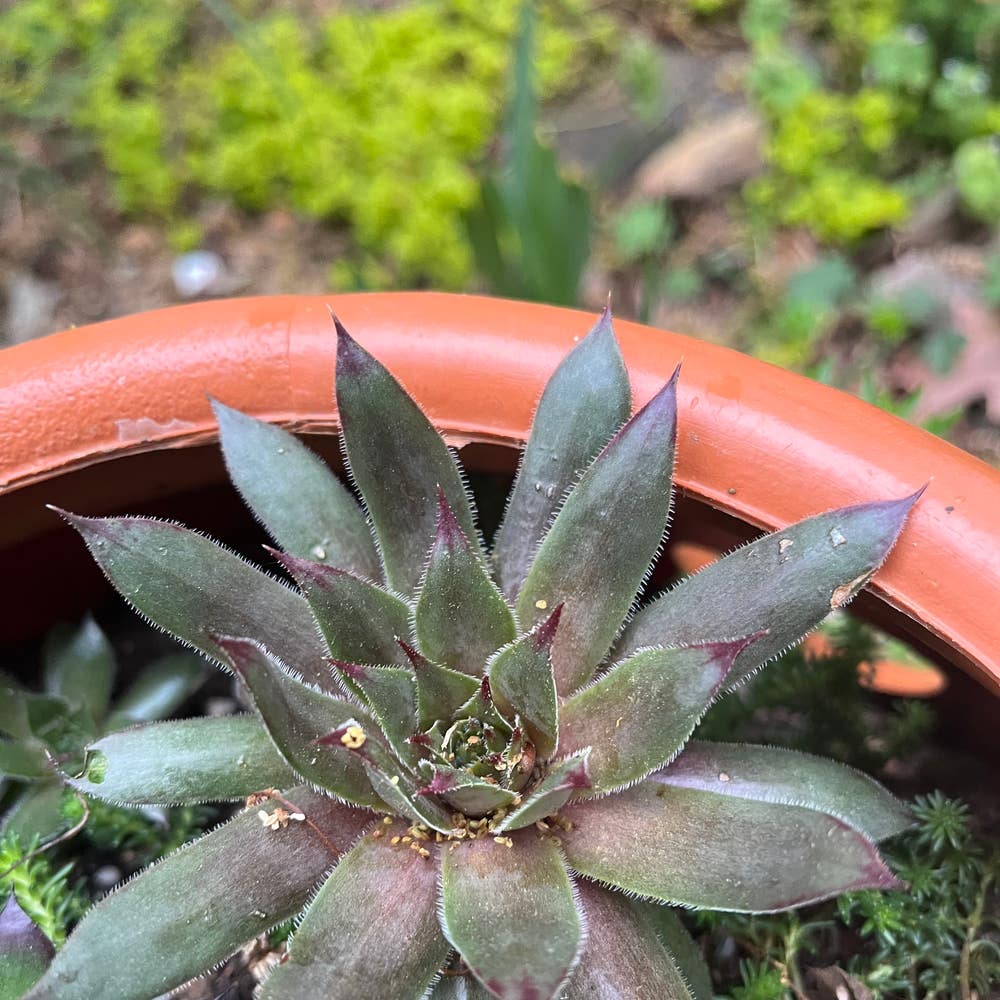
What Do Sedeveria 'Dark Elf' Flowers Mean?
Sedeveria 'Dark Elf'
By the Greg Editorial Team
Jun 18, 2024•3 min read
This article was created with the help of AI so we can cover more plants for you. May contain errors. See one? Report it here.
Unlock the bloom secrets of Sedeveria 'Dark Elf' 🌼—a testament to your green thumb mastery!
- Flowers signal health and maturity in Sedeveria 'Dark Elf'.
- 🌞 Bright, indirect light and cool nights trigger blooming.
- Prune post-bloom; feed lightly for more flowers.
Decoding the Blooms: What Flowers Tell Us
🌸 When 'Dark Elf' Decides to Bloom
Flowering is a rare event for Sedeveria 'Dark Elf', signaling robust health and ideal growing conditions. When these elusive blooms appear, it's a green thumbs-up from the plant, indicating that it's thriving under your care.
🌼 A Sign of Maturity
Maturity in Sedeveria 'Dark Elf' is marked by the emergence of flowers. This phase transition is a botanical milestone, showcasing that the plant has reached a significant stage in its life cycle.

Tailoring Care to Trigger Flowering
🌞 The Light-Bloom Connection
Sunlight is the trigger for Sedeveria 'Dark Elf' to showcase its blooms. It's a straightforward equation: no proper light, no flowers.
- Bright, indirect light is the sweet spot for these plants. Too direct, and you risk scorching them; too dim, and they'll just produce foliage.
- To encourage blooming, mimic natural light cycles. Consider using grow lights if natural light is insufficient.
- Reflective surfaces can be a game-changer. Place aluminum foil or white backgrounds to reflect light onto your plant.
🌡️ Temperature Tweaks for Timely Blooms
Temperature is the silent partner in the flowering dance. It needs to be just right for 'Dark Elf' to strut its stuff.
- Aim for a daytime temperature around 70°F (21°C) and slightly cooler at night.
- Avoid drastic temperature swings; they're the enemy of consistent blooming.
- If you're aiming for winter flowers, keep it on the cooler side to extend bloom life.
Remember, it's like tuning an instrument—small adjustments can lead to a symphony of blooms.

Feeding Your 'Dark Elf' for Fabulous Flowers
💧 The Right Soil Mix
Creating the ideal soil mix for your Sedeveria 'Dark Elf' is crucial for those show-stopping blooms. Well-draining soil is non-negotiable; it should hug the roots snugly while still allowing them to breathe. A mix incorporating ingredients like coco coir, compost, and perlite ensures good drainage and aeration. Remember, waterlogged roots are a one-way ticket to plant demise.
🍽️ Nutrients and Fertilizers
When it comes to fertilization, less is often more. Over-fertilization is a common misstep that can lead to lush foliage at the expense of flowers. During the growing season, a monthly feeding with a balanced fertilizer is your ticket to bloom town. But come winter, it's time to ease up—your 'Dark Elf' is resting, not feasting. If you're repotting, consider a slow-release fertilizer that can provide a steady nutrient supply without overwhelming your plant.

Pruning Practices for Prolific Blooming
🌱 Strategic Pruning
Timing is key when it comes to pruning Sedeveria 'Dark Elf'. Prune right after the blooms fade, but before the plant enters its next growth phase. This encourages the plant to focus on producing new flowers instead of sustaining spent ones. Precision is crucial; make cuts above a leaf node to promote new branches, which could lead to more blooms.
🌸 Post-Bloom Care
After the flowers have said their goodbyes, it's time to ease up on the fertilizer. A light feeding once a month with a balanced houseplant fertilizer should suffice. It's like a maintenance mode for the plant's diet. If the flower spike is brown and crispy, snip it off. If it's still green, leave it be—it might just surprise you with a second act. Keep an eye out for new growth as a sign of successful recovery.
⚠️ Safety First
This content is for general information and may contain errors, omissions, or outdated details. It is not medical, veterinary advice, or an endorsement of therapeutic claims.
Always consult a qualified healthcare professional before using any plant as food, medicine, or supplement.
Never eat any plant (or feed one to pets) without confirming its identity with at least two trusted sources.
If you suspect poisoning, call Poison Control (800) 222-1222, the Pet Poison Helpline (800) 213-6680, or your local emergency service immediately.
Spotted an error? Please report it here.
Watch your Sedeveria 'Dark Elf' flourish 🌱 with Greg's tailored care reminders, ensuring it blooms under the ideal conditions outlined in this article.