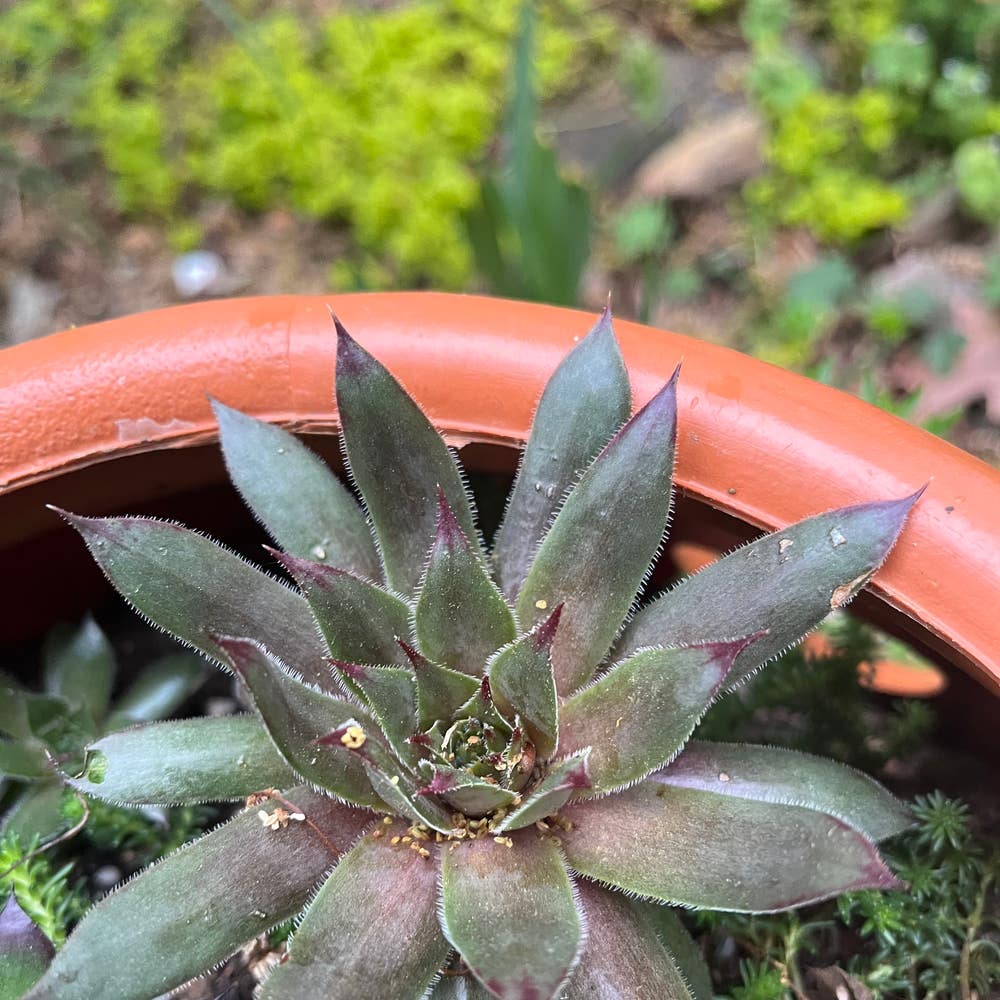
🧚♂️ 3 Secrets to Successfully Grow Sedeveria 'Dark Elf'
Sedeveria 'Dark Elf'
By the Greg Editorial Team
Sep 28, 2024•5 min read
This article was created with the help of AI so we can cover more plants for you. May contain errors. See one? Report it here.
Unlock vibrant growth for your Sedeveria 'Dark Elf' 🌱 with essential care tips that transform your space!
- 🌞 Bright, indirect sunlight is ideal; south or west-facing windows work best.
- 🌡️ Maintain temperatures between 20°C to 30°C; protect from frost for optimal growth.
- 🌱 Use well-draining soil and water every 2-3 weeks to prevent root rot.
Cultivation Techniques
Choosing the Right Location 🌞
Choosing the right location for your Sedeveria 'Dark Elf' is crucial for its growth. This plant thrives in bright, indirect sunlight and can handle some direct sun exposure, making south or west-facing windows ideal for indoor settings.
Temperature also plays a significant role in its health. Sedeveria 'Dark Elf' prefers a cozy range of 20°C to 30°C (68°F to 86°F) and should be protected from frost or extreme cold.
Soil Preparation 🪴
The right soil mix is essential for your plant's success. A well-draining cactus or succulent mix works wonders, but you can also create your own by combining 50% potting soil, 25% perlite, and 25% sand.
Don't forget about drainage! Ensure your pots have drainage holes to prevent root rot. Adding gravel or small stones at the bottom of the pot can further enhance drainage.
Planting Methods 🌱
When planting outdoors, spacing is key. Aim to space your Sedeveria 'Dark Elf' plants 12-18 inches apart to give them room to grow.
As for depth, plant them at the same level they were in the nursery pot. Avoid burying the stem, as this can lead to issues down the line.
With these cultivation techniques in place, you're well on your way to nurturing a thriving Sedeveria 'Dark Elf.' Next, let’s dive into the essential aspects of watering and fertilizing your plant for optimal growth.
Watering and Fertilizing
Watering Schedule and Techniques 🌊
Watering Sedeveria 'Dark Elf' requires a bit of finesse. During the growing season—spring and summer—water every 2-3 weeks to keep your plant thriving.
As the seasons change, reduce watering to once a month in fall and winter. This adjustment helps prevent over-watering, which can lead to yellowing leaves and mushy stems. Conversely, under-watering can cause wrinkled leaves and dry tips, signaling that your plant needs a drink.
Fertilizing Guidelines 🌱
When it comes to fertilizing, a balanced, diluted succulent fertilizer (NPK 10-10-10) is your best bet. Apply this during the growing season to give your plant the nutrients it craves.
Fertilize every 4-6 weeks in spring and summer, but remember to pause during fall and winter. This seasonal break allows your plant to rest and recharge, ensuring it stays healthy and vibrant.
With proper watering and fertilizing, your Sedeveria 'Dark Elf' will flourish. Next, let’s explore essential pruning and maintenance techniques to keep your plant in top shape.
Pruning and Maintenance
Pruning Techniques for Healthy Growth 🌱
To keep your Sedeveria 'Dark Elf' thriving, start by removing any dead or damaged leaves. Use clean, sharp scissors to make a precise cut at the base of the leaf, ensuring the plant can redirect its energy to healthier growth.
If you notice leggy growth, don’t hesitate to pinch it back. This simple technique encourages a bushier appearance, making your plant look fuller and more vibrant.
Ongoing Care Routine 🕵️♀️
Regularly monitoring your plant is crucial for its health. Keep an eye out for signs of stress or pests, as early detection can save your plant from serious issues.
As the seasons change, adjust your watering frequency accordingly. During the growing season, your plant may need more water, while in the cooler months, it will require less. This simple adjustment can make a significant difference in your plant's overall health.
With these pruning and maintenance tips, your Sedeveria 'Dark Elf' will flourish beautifully, setting the stage for the next topic: common challenges and solutions.
Common Challenges and Solutions
🐛 Identifying and Managing Pests
Pests can be a real headache for your Sedeveria 'Dark Elf.' Common culprits include mealybugs, aphids, and spider mites, which can wreak havoc if not managed promptly.
To combat these pests, consider using insecticidal soap or neem oil. Regular inspections of your plants will help catch any infestations early, keeping your succulent healthy and thriving.
🌡️ Addressing Environmental Stressors
Temperature fluctuations can stress your plant. Protect it from frost by bringing it indoors during cold snaps to ensure it stays within its preferred temperature range.
Humidity is another factor to consider. Sedeveria 'Dark Elf' thrives in low humidity, so avoid overly humid environments that can lead to problems.
🌱 Troubleshooting Common Growth Issues
Etiolation is a common issue that arises from insufficient light. If you notice your plant stretching or becoming leggy, simply move it to a brighter location.
Leaf drop can also be a concern, often caused by over-watering or sudden temperature changes. Adjust your watering schedule and stabilize the temperature to help your plant bounce back.
With these tips, you'll be well-equipped to tackle common challenges and keep your Sedeveria 'Dark Elf' flourishing. Next, let's explore the differences between growing in containers versus outdoors.
Growing in Containers vs. Outdoors
🌱 Benefits of Container Gardening
Container gardening offers remarkable flexibility. You can easily move your Sedeveria 'Dark Elf' to catch the best light or protect it from harsh weather.
Controlling soil quality is another advantage. With containers, you can customize the soil mix to ensure optimal drainage and nutrients.
🌞 Tips for Outdoor Planting
When planting outdoors, consider the climate. Choose a spot that receives ample sunlight while providing some protection from strong winds.
Companion planting can enhance your garden's aesthetics and health. Pair your Sedeveria with drought-tolerant plants like sedums or agaves for a visually appealing and resilient garden.
Transitioning to outdoor planting can be a rewarding experience. Next, let’s explore common challenges and solutions to keep your Sedeveria thriving.
⚠️ Safety First
This content is for general information and may contain errors, omissions, or outdated details. It is not medical, veterinary advice, or an endorsement of therapeutic claims.
Always consult a qualified healthcare professional before using any plant as food, medicine, or supplement.
Never eat any plant (or feed one to pets) without confirming its identity with at least two trusted sources.
If you suspect poisoning, call Poison Control (800) 222-1222, the Pet Poison Helpline (800) 213-6680, or your local emergency service immediately.
Spotted an error? Please report it here.
Unlock the secrets to a thriving Sedeveria 'Dark Elf' 🌵 with Greg's tailored care reminders and expert tips that keep your plant happy and healthy all year round!