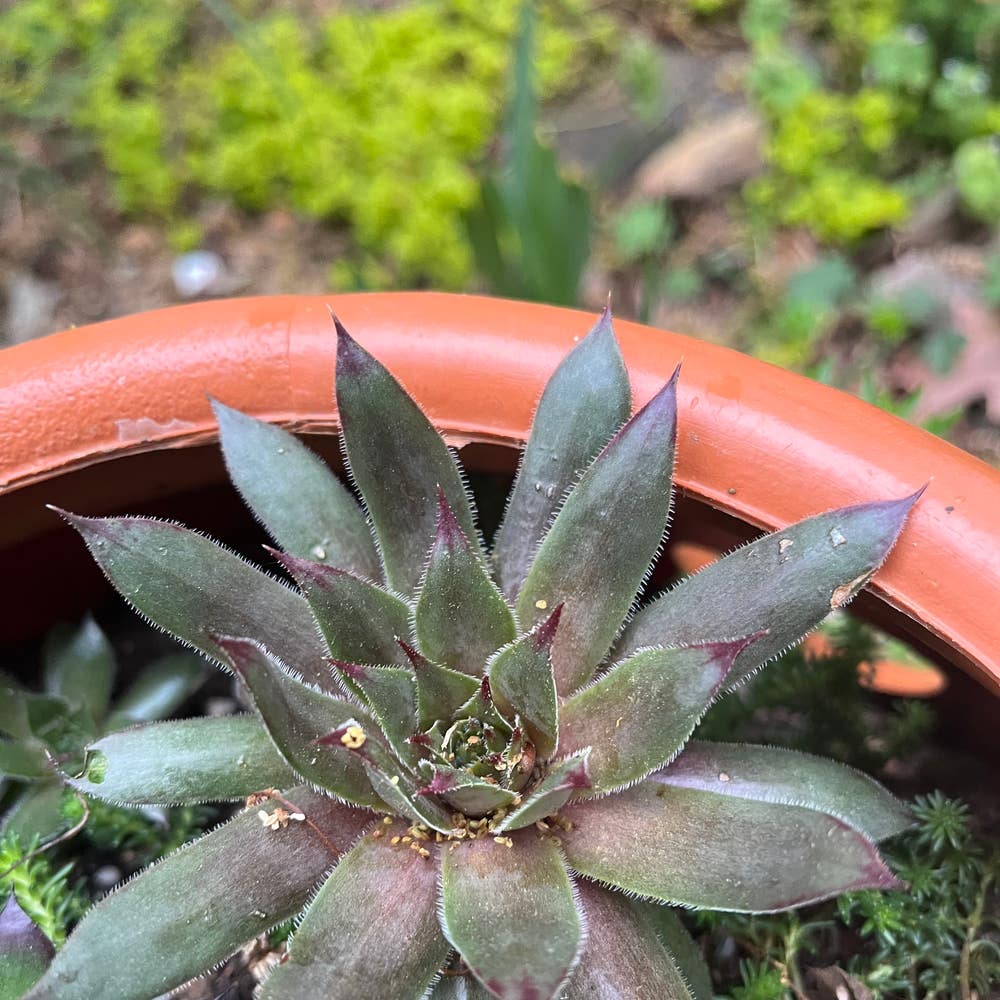
Top 8 Pot Features Your Sedeveria 'Dark Elf' Will Love 🌵
Sedeveria 'Dark Elf'
By the Greg Editorial Team
Sep 28, 2024•6 min read
This article was created with the help of AI so we can cover more plants for you. May contain errors. See one? Report it here.
Maximize your Sedeveria 'Dark Elf's' growth 🌱 by mastering the art of pot selection for every stage of life!
- 🌱 Choose the right pot size for each growth stage to ensure healthy Sedeveria growth.
- 💧 Drainage holes are essential to prevent root rot and promote healthy roots.
- 🏺 Pot material impacts moisture retention; select wisely for optimal plant health.
Pot Selection for Growth Stages
🌱 Importance of Pot Size
Choosing the right pot size is crucial for the healthy growth of your Sedeveria 'Dark Elf.' Each growth stage requires specific pot dimensions to support optimal root development and moisture balance.
🌿 Seedlings
For seedlings, a pot size of 2-4 inches in diameter is recommended. This size allows roots to develop adequately without the risk of excess soil retaining too much moisture.
🌳 Young Plants
As your plant matures, transition to a pot size of 4-6 inches in diameter. This provides ample room for growth while ensuring the moisture levels remain balanced, preventing overwatering.
🌼 Mature Plants
Once your Sedeveria reaches maturity, opt for a pot size of 6-8 inches in diameter. This accommodates larger root systems and reduces the frequency of repotting, allowing your plant to thrive with minimal disturbance.
Selecting the right pot size at each growth stage is essential for your plant's health. With the proper pot, your Sedeveria 'Dark Elf' will flourish beautifully, setting the stage for the next topic on ideal pot materials.
Ideal Pot Materials
🌱 Clay vs. Plastic
When choosing pots for your Sedeveria 'Dark Elf', consider the material carefully. Both clay and plastic pots have their unique advantages and disadvantages.
Clay Pots
Advantages:
- Clay pots are breathable, allowing moisture to evaporate and reducing the risk of overwatering. This is crucial for maintaining healthy roots.
- They also offer aesthetic appeal, enhancing the beauty of both indoor and outdoor spaces.
Disadvantages:
- However, clay pots are heavier, making them less portable. They can also break easily, which might be a concern if you have a busy household.
Plastic Pots
Advantages:
- On the flip side, plastic pots are lightweight and durable, making them easy to move around as needed.
- They retain moisture longer, which can be beneficial in dry environments where your plant might struggle to stay hydrated.
Disadvantages:
- The downside is that plastic pots are less breathable. If drainage isn’t adequate, this can lead to root rot, a common issue for many plant enthusiasts.
Choosing the right pot material is essential for the health of your Sedeveria 'Dark Elf'. Consider your environment and personal preferences to make the best choice.
🏁 Conclusion
Understanding the pros and cons of pot materials helps you create the ideal home for your plant. Next, let’s dive into the importance of drainage considerations to ensure your Sedeveria thrives.
Drainage Considerations
Importance of Drainage Holes 🌧️
Drainage holes are crucial for preventing water from accumulating at the bottom of your pot. Aim for a minimum size of 1/4 inch in diameter to ensure effective drainage.
How Drainage Impacts Root Health 🌱
Healthy roots thrive on oxygen, and poor drainage can lead to suffocation and root rot. Pairing well-draining soil with adequate drainage holes is essential for your Sedeveria 'Dark Elf' to flourish.
Signs of Poor Drainage 🚫
If you notice water pooling at the bottom of the pot, it's a clear sign that drainage is inadequate. This can lead to serious issues, including root rot, which can jeopardize your plant's health.
Best Practices for Drainage 💧
- Choose pots with multiple drainage holes: This enhances water flow and reduces the risk of waterlogging.
- Use a well-draining soil mix: Incorporate materials like perlite or sand to improve aeration and drainage.
Final Thoughts on Drainage 🪴
Prioritizing drainage is not just a good practice; it's essential for the longevity of your plants. A little attention to this detail can make a world of difference in keeping your Sedeveria 'Dark Elf' vibrant and healthy.
Next, let’s explore the importance of repotting and how to do it effectively.
Repotting Guidelines
🕒 When to Repot
Repotting your Sedeveria 'Dark Elf' is essential for its health. Aim to do this every 1-2 years or whenever you notice signs of being root-bound.
Look for roots growing out of drainage holes or stunted growth despite your best care. These indicators signal that it's time for a new pot.
🪴 Choosing the Right Pot for Repotting
Selecting the right pot is crucial for your plant's continued growth.
- Size: Increase the pot diameter by 1-2 inches to give your plant room to thrive.
- Material: Choose based on your environment and personal preference, balancing aesthetics with functionality.
🔄 Step-by-Step Repotting Process
Repotting may seem daunting, but following these steps can make it straightforward:
- Prepare the new pot with fresh, well-draining soil.
- Gently remove the plant from its current pot.
- Inspect the roots for any signs of rot and trim any damaged areas.
- Place the plant in the new pot, ensuring it sits at the same soil level.
- Fill in with soil, firming it gently around the roots.
- Water lightly to settle the soil, but avoid overwatering.
By following these guidelines, you can ensure your Sedeveria 'Dark Elf' continues to flourish in its new home. Next, let’s explore common potting mistakes to avoid for optimal plant health.
Common Potting Mistakes
🪴 Overpotting vs. Underpotting
Overpotting can be a sneaky trap for plant parents. When you use a pot that's too large, excess soil retains moisture, which can lead to root rot. You might notice signs like slow growth and yellowing leaves, indicating your Sedeveria 'Dark Elf' is struggling.
On the flip side, underpotting can also spell trouble. If the roots are cramped, growth potential is limited. Look for signs such as roots pushing out of drainage holes, a clear indicator that it’s time for a larger pot.
🚰 Ignoring Drainage Needs
Ignoring drainage needs is a common pitfall that can have serious consequences. Without proper drainage, water can accumulate at the bottom of the pot, leading to root rot and overall plant decline.
Choosing pots with sufficient drainage holes is crucial for your plant's health. A minimum size of 1/4 inch in diameter is recommended to ensure effective drainage.
🧱 Choosing the Wrong Materials
The material of your pot plays a significant role in moisture retention and root health. Clay pots are breathable but can break easily, while plastic pots are lightweight but may retain too much moisture if not monitored.
When selecting materials, consider your environment and the specific needs of your Sedeveria 'Dark Elf'. A thoughtful choice can make all the difference in keeping your plant thriving.
Understanding these common potting mistakes will help you create a nurturing environment for your Sedeveria. Next, let’s explore the best practices for repotting to ensure your plant continues to flourish.
⚠️ Safety First
This content is for general information and may contain errors, omissions, or outdated details. It is not medical, veterinary advice, or an endorsement of therapeutic claims.
Always consult a qualified healthcare professional before using any plant as food, medicine, or supplement.
Never eat any plant (or feed one to pets) without confirming its identity with at least two trusted sources.
If you suspect poisoning, call Poison Control (800) 222-1222, the Pet Poison Helpline (800) 213-6680, or your local emergency service immediately.
Spotted an error? Please report it here.
Keep your Sedeveria 'Dark Elf' thriving 🌿 by using Greg's tailored potting tips to select the perfect size and material for optimal growth!