🧚♂️ Sedeveria 'Dark Elf': Not an Invasive Plant
Sedeveria 'Dark Elf'
By the Greg Editorial Team
Sep 28, 2024•5 min read
This article was created with the help of AI so we can cover more plants for you. May contain errors. See one? Report it here.
Enhance your garden sustainably with Sedeveria 'Dark Elf' 🌼—a beautiful, non-invasive choice for eco-conscious gardeners!
- 🌱 Sedeveria 'Dark Elf' is non-invasive, making it a safe garden choice.
- 🌞 Compact size and drought tolerance promote sustainable gardening practices.
- 🐝 Attracts pollinators, enhancing biodiversity and supporting local ecosystems.
Plant Classification
Definition of Invasive Species 🌱
Invasive species are non-native plants that spread aggressively, outcompeting local flora and disrupting ecosystems. They often exhibit rapid growth, high reproductive rates, and adaptability to various environments, making them a threat to biodiversity.
Why Sedeveria 'Dark Elf' is Non-Invasive 🌼
Sedeveria 'Dark Elf' stands out as a non-invasive plant due to its low spread potential, typically reaching only 6-12 inches in diameter. It doesn't produce seeds that could lead to uncontrolled spread, ensuring it remains manageable in garden settings.
The plant's growth is further limited by its rosette form and the environmental conditions it thrives in. This compact growth habit supports its classification as non-invasive, making it an excellent choice for gardeners looking to maintain a balanced ecosystem.
In summary, Sedeveria 'Dark Elf' is a delightful addition to gardens, offering beauty without the worry of invasiveness. Its characteristics not only enhance garden aesthetics but also promote a healthier environment.
Growth Habits
Typical Growth Patterns in Gardens 🌱
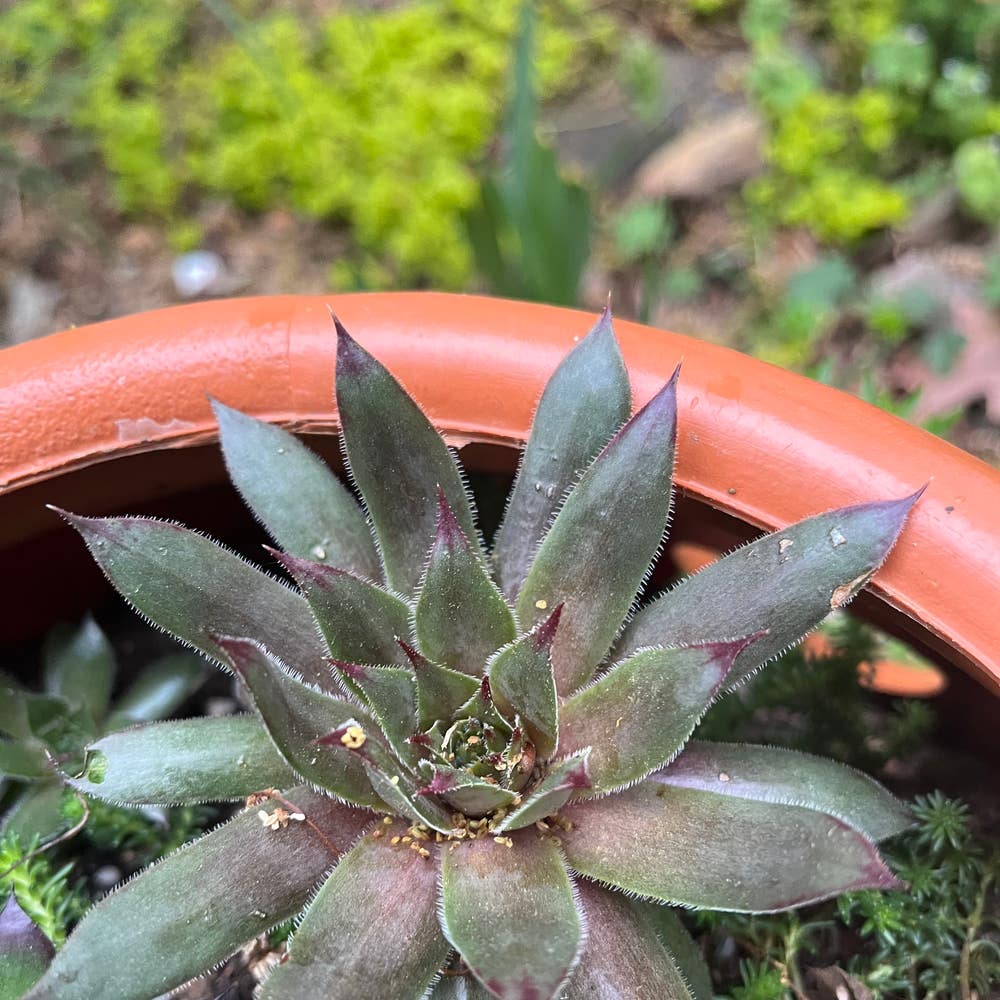
Sedeveria 'Dark Elf' showcases a stunning rosette growth form. Its leaves can shift in color depending on light exposure, adding a dynamic element to your garden.
For optimal growth, this plant thrives in well-draining soil and full sun. These conditions not only enhance its vibrant foliage but also promote overall health.
Natural Limits to Growth and Spread Potential 🚧
This succulent typically maintains a compact size, with minimal lateral spread. Its growth is naturally restricted, making it a manageable choice for any garden.
Several factors influence its growth rate, including soil quality, water availability, and light conditions. Understanding these elements can help you cultivate a thriving Sedeveria 'Dark Elf' in your garden.
With its unique growth habits, Sedeveria 'Dark Elf' is a fantastic addition to any garden design. Next, let’s explore its ecological role and the benefits it brings to local ecosystems.
Ecological Role
🌼 Benefits in Ecosystems
Sedeveria 'Dark Elf' plays a vital role in local ecosystems by attracting pollinators like bees when it flowers. This not only supports the pollinator population but also enhances the overall health of your garden.
Its drought-tolerant nature makes it an excellent choice for sustainable gardening practices. By reducing water usage, it helps conserve this precious resource while still providing vibrant greenery.
🦋 Positive Interactions with Local Wildlife
This plant offers shelter and food for various insects and small wildlife, promoting biodiversity in garden settings. Its presence can create a lively ecosystem, making your garden a haven for beneficial creatures.
Moreover, Sedeveria 'Dark Elf' enhances the aesthetic appeal of gardens. Its unique foliage and compact form not only beautify your space but also support local ecosystems, making it a win-win for both gardeners and wildlife.
Garden Management
Incorporating into Garden Designs 🌿
Sedeveria 'Dark Elf' is a fantastic choice for rock gardens, succulent arrangements, and xeriscaping. Its compact size and drought tolerance make it an ideal candidate for creating visually striking landscapes.
Consider pairing it with other succulents or drought-tolerant plants. This combination not only enhances the aesthetic appeal but also promotes a cohesive garden theme.
Growth Control Methods for Aesthetic Purposes ✂️
To keep Sedeveria 'Dark Elf' looking its best, regular pruning is essential. This practice helps maintain its desired shape and size, ensuring it remains a focal point in your garden.
Additionally, monitoring soil moisture and light exposure is crucial. This vigilance prevents overgrowth and supports the plant's overall health, allowing it to thrive beautifully.
Incorporating these management techniques will enhance your garden's visual appeal while ensuring Sedeveria 'Dark Elf' remains a manageable and attractive addition. Next, let's explore how this plant compares to other non-invasive varieties.
Comparison to Other Plants
🌱 Similar Non-Invasive Plants
When considering non-invasive succulents, Echeveria and Haworthia often come to mind. Both are beloved for their unique shapes and colors, but they have distinct growth habits and care needs that set them apart.
Echeveria tends to grow in rosettes similar to Sedeveria 'Dark Elf', but it often requires slightly more water and can be more sensitive to overexposure to sunlight. Haworthia, on the other hand, thrives in lower light conditions, making it a great choice for indoor gardening.
✨ Unique Qualities
What truly makes Sedeveria 'Dark Elf' shine is its adaptability to various light conditions. Whether basking in full sun or enjoying partial shade, this plant maintains its vibrant colors and compact form.
Additionally, its low maintenance requirements make it a favorite among gardeners. With minimal watering and care, it not only beautifies spaces but also supports local wildlife, attracting pollinators like bees when it flowers. This dual role as both a stunning ornamental and a wildlife-friendly plant makes it a standout choice for eco-conscious gardeners.
As we explore its ecological benefits, you'll see how Sedeveria 'Dark Elf' fits perfectly into sustainable gardening practices.
Legal and Environmental Considerations
📜 Relevant Classifications and Guidelines
When considering Sedeveria 'Dark Elf' for your garden, it's essential to be aware of local regulations. Many regions classify this plant as non-invasive, making it a safe choice for cultivation without the worry of it overtaking local flora.
Gardening and landscaping guidelines often highlight Sedeveria 'Dark Elf' for its manageable growth and minimal environmental impact. This classification supports its use in various settings, from residential gardens to public landscapes.
🌱 Fit Within Sustainable Gardening Practices
Sedeveria 'Dark Elf' is a champion of sustainable gardening. It thrives on minimal water and maintenance, making it an eco-friendly option for those looking to reduce their environmental footprint.
Moreover, this plant plays a crucial role in promoting biodiversity. By attracting pollinators and providing habitat for local wildlife, it enhances the ecological value of your garden while adding beauty and interest.
Incorporating Sedeveria 'Dark Elf' into your garden not only beautifies your space but also aligns with eco-conscious practices. It’s a win-win for both you and the environment!
As we explore its unique qualities, you'll see how this plant stands out in the world of non-invasive flora.
⚠️ Safety First
This content is for general information and may contain errors, omissions, or outdated details. It is not medical, veterinary advice, or an endorsement of therapeutic claims.
Always consult a qualified healthcare professional before using any plant as food, medicine, or supplement.
Never eat any plant (or feed one to pets) without confirming its identity with at least two trusted sources.
If you suspect poisoning, call Poison Control (800) 222-1222, the Pet Poison Helpline (800) 213-6680, or your local emergency service immediately.
Spotted an error? Please report it here.
Cultivate the stunning Sedeveria 'Dark Elf' in your garden with Greg's tailored care tips 🌿, ensuring it thrives while enhancing your ecosystem with its non-invasive charm!