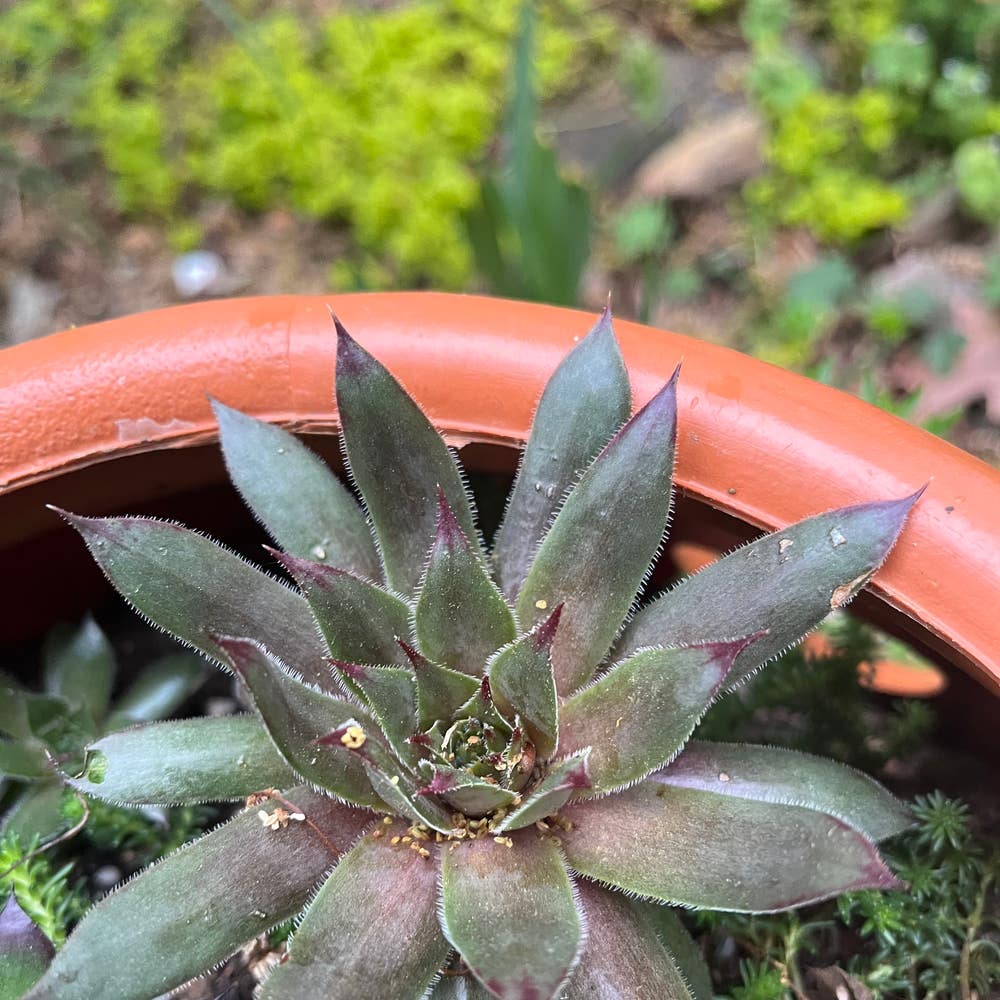
Attracting Pollinators to Your Sedeveria 'Dark Elf' 🐝
Sedeveria 'Dark Elf'
By the Greg Editorial Team
Sep 28, 2024•6 min read
This article was created with the help of AI so we can cover more plants for you. May contain errors. See one? Report it here.
Discover how Sedeveria 'Dark Elf' 🌼 can transform your garden's pollination success and plant health!
- 🌼 Sedeveria 'Dark Elf' attracts bees, butterflies, and moths with its bright flowers.
- 🌱 Self-pollination ensures reproduction, while cross-pollination boosts genetic diversity.
- 🌍 Creating a pollinator-friendly garden enhances plant health and local ecosystems.
Flower Structure
Description of Characteristics 🌼
Sedeveria 'Dark Elf' boasts small, tubular flowers that cluster together, creating a vibrant display. These flowers typically shine in bright hues, often yellow or orange, which are particularly appealing to pollinators.
The arrangement of these flowers on elongated stems enhances their visibility. This strategic positioning makes it easier for pollinators to spot and access the blooms.
Role in Pollination 🐝
Self-pollination is a fascinating feature of Sedeveria 'Dark Elf.' Its flower structure allows for pollen transfer within the same flower, ensuring reproduction even without external help.
However, cross-pollination plays a crucial role too. The plant's characteristics attract various pollinator species, facilitating the exchange of pollen between flowers and enhancing genetic diversity.
Understanding these mechanisms is vital for anyone looking to cultivate this stunning succulent. By appreciating how its flowers function, you can better support its growth and pollination success.
Pollination Process
🌱 Self-Pollination Mechanism
Sedeveria 'Dark Elf' has a fascinating ability to self-pollinate. Its flower structure is designed to facilitate pollen transfer within the same flower, ensuring that it can produce fruit and seeds even without external pollinators.
This self-sufficiency is a significant advantage, especially in environments where pollinator presence may be inconsistent. It allows the plant to thrive and reproduce, contributing to its resilience.
🦋 Identification of Pollinator Species
Several pollinator species are drawn to Sedeveria 'Dark Elf', each playing a unique role in its pollination success.
Bees
Bees are particularly attracted to the vibrant colors and sweet nectar of the flowers. Their diligent foraging helps ensure effective pollen transfer.
Butterflies
Butterflies are captivated by the flower's shape and bright hues. They flutter from bloom to bloom, further enhancing cross-pollination.
Moths
Moths, active during twilight, are lured by the scent of the flowers. Their nocturnal visits contribute to the plant's reproductive success.
Each of these pollinators not only aids in the transfer of pollen but also enriches the ecosystem surrounding Sedeveria 'Dark Elf'. Understanding their roles can help you appreciate the intricate relationships within your garden.
As we explore natural pollination mechanisms, it's essential to recognize how these interactions support the plant's overall health and vitality.
Natural Pollination Mechanisms
🌬️ Pollen Transfer
Pollination in Sedeveria 'Dark Elf' relies on both wind and insect activity. These mechanisms work together to ensure pollen moves efficiently from one flower to another, enhancing the plant's reproductive success.
Timing is crucial for effective natural pollination. The blooming season presents optimal conditions, as flowers are at their most vibrant and accessible to pollinators.
🌼 Importance of Pollination
Pollination plays a vital role in the reproductive success of Sedeveria 'Dark Elf'. It directly influences fruit and seed development, ensuring the continuation of the species.
Moreover, cross-pollination contributes to genetic diversity. This diversity enhances the plant's vigor and resilience, making it better equipped to thrive in various environments.
Understanding these natural mechanisms not only enriches your gardening experience but also fosters a deeper appreciation for the intricate relationships within nature. As we explore further, you'll discover how to support these essential processes effectively.
Hand Pollination Techniques
Hand pollination can be a rewarding way to ensure the success of your Sedeveria 'Dark Elf'. Here’s a straightforward guide to help you navigate the process.
Step 1: Identifying Male and Female Flower Parts 🌸
First, you need to recognize the flower's anatomy. The male parts, known as stamens, produce the pollen, while the female part, called the pistil, is where the pollen needs to land.
Step 2: Collecting Pollen 🧹
Next, gather the pollen. A small brush or cotton swab works wonders for this task. Gently brush the stamens to collect the pollen without damaging the flower.
Step 3: Transferring Pollen 🔄
Now, it’s time to transfer the pollen. Carefully apply the collected pollen to the stigma of the female flower. This step is crucial for successful fertilization.
Step 4: Timing ⏰
Timing is everything. Perform this process during peak blooming hours when the flowers are most receptive. This increases your chances of successful pollination.
Hand pollination not only boosts your plant's reproductive success but also deepens your connection with nature. With these techniques, you can actively participate in the life cycle of your Sedeveria 'Dark Elf', ensuring it thrives.
As you master these techniques, you’ll be better equipped to support your plants and the pollinators that help them flourish. Next, let’s explore how to create a pollinator-friendly environment to further enhance your gardening efforts.
Supporting Pollinators
🌼 Creating a Pollinator-Friendly Environment
To attract a variety of pollinators, consider planting native flowers that bloom at different times throughout the year. This ensures a continuous food source, making your garden a buzzing hub of activity.
Additionally, providing water sources and shelter is crucial. Simple features like shallow dishes filled with water or small brush piles can create inviting habitats for bees, butterflies, and other beneficial insects.
🌱 Companion Plants
Choosing the right companion plants can significantly enhance your garden's appeal to pollinators.
Lavender: This fragrant herb is a magnet for bees and butterflies, adding both beauty and utility to your garden.
Marigolds: Their bright colors are irresistible to various pollinators, making them a vibrant addition to any flower bed.
Echinacea: Known for its striking blooms, Echinacea offers nectar and pollen, supporting both bees and butterflies throughout the growing season.
By incorporating these elements, you can create a thriving ecosystem that not only supports Sedeveria 'Dark Elf' but also contributes to the overall health of your garden.
As we explore the next section, let’s dive into the challenges pollinators face and how we can help mitigate these obstacles.
Pollination Challenges
Common Obstacles 🌪️
Pollination can face several challenges that hinder the success of your Sedeveria 'Dark Elf'. Environmental factors, such as extreme temperatures, can significantly impact pollinator activity.
Low humidity levels may also reduce flower viability, making it harder for your plants to attract the necessary pollinators. Additionally, urban settings or poor plant health can lead to a lack of pollinators, further complicating the pollination process.
Solutions 💡
Fortunately, there are effective strategies to overcome these challenges. Start by adjusting watering and soil conditions to promote healthy growth, ensuring your plants are robust and appealing to pollinators.
Planting a diverse range of flowers can also attract a variety of pollinators, enhancing your garden's overall pollination success. If natural pollination proves insufficient, consider utilizing hand pollination techniques to ensure your Sedeveria 'Dark Elf' thrives.
By addressing these obstacles proactively, you can create a flourishing environment for your plants and their pollinators. This not only boosts your garden's productivity but also contributes to the overall health of local ecosystems.
⚠️ Safety First
This content is for general information and may contain errors, omissions, or outdated details. It is not medical, veterinary advice, or an endorsement of therapeutic claims.
Always consult a qualified healthcare professional before using any plant as food, medicine, or supplement.
Never eat any plant (or feed one to pets) without confirming its identity with at least two trusted sources.
If you suspect poisoning, call Poison Control (800) 222-1222, the Pet Poison Helpline (800) 213-6680, or your local emergency service immediately.
Spotted an error? Please report it here.
Boost your Sedeveria 'Dark Elf' blooms and support local pollinators 🐝 by using Greg's tailored care tips to cultivate a thriving garden ecosystem!