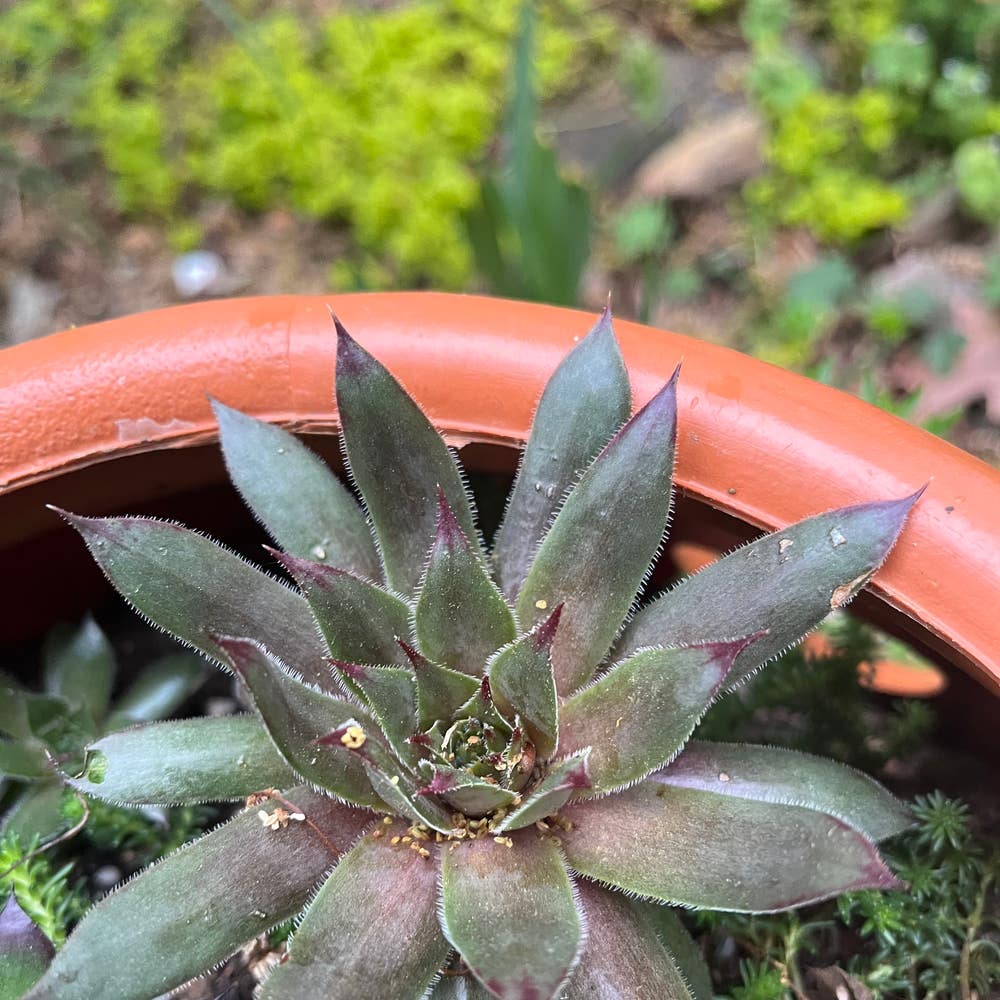
Why Is My Sedeveria 'Dark Elf' Dropping Leaves?
Sedeveria 'Dark Elf'
By the Greg Editorial Team
Jun 18, 2024•3 min read
This article was created with the help of AI so we can cover more plants for you. May contain errors. See one? Report it here.
Prevent leaf loss and keep your Sedeveria 'Dark Elf' thriving with expert care secrets 🌿🔍!
- Overwatering? Stop, trim rot, repot with well-draining soil.
- Underwatering signs: Shriveled leaves, dry soil. Use soak and dry method.
- Ensure good drainage: Use gritty soil mix and terracotta pots.
When Leaves Say Goodbye: Unpacking the Reasons
🌧️ Too Much Love: The Perils of Overwatering
Overwatering can turn your Sedeveria 'Dark Elf' from a fairy tale to a tragedy. Leaf drop is a cry for help; yellowing leaves and a squishy base are the tell-tale heartbeats of distress.
🕵️♂️ Spotting the Soggy Culprits
Roots need to breathe, not swim. Check for mold or a musty smell—these are the red flags of overindulgence.
Turning the Tide
First, halt all watering. Gently remove the plant and inspect the roots. Snip away any rot and repot in fresh, well-draining soil.
🏜️ Thirsty Roots: The Underwatering Balancing Act
Conversely, underwatering makes your Sedeveria 'Dark Elf' a desert wanderer. Leaves shrivel and drop as a survival tactic.
Recognizing the Thirst
If the leaves are brittle and the soil is bone-dry, it's time to quench that thirst.
Hydration Harmony
Adjust your watering to a soak and dry method. Ensure the soil is completely dry before the next watering session.
🚰 Drainage Drama: Ensuring Your Plant's Foundation Isn't Flawed
Poor drainage is like a bad relationship—it's suffocating. Roots rot in stagnant moisture, leading to leaf loss.
The Right Mix
Choose a soil that's one part grit, like perlite or sand, to three parts potting mix. This ensures a quick-draining home for your Sedeveria.
Pot Partner
Terracotta pots are the unsung heroes, wicking away excess moisture. Make sure the pot has unblocked drainage holes.

First Aid for Fallen Leaves: Immediate Actions
🚑 SOS for Overwatered Sedeveria
If your Sedeveria 'Dark Elf' is more swamp creature than desert beauty, immediate action is needed. Remove the plant from its pot to inspect the roots. If they're brown and squishy, you've got root rot. Trim the damaged roots with sterilized scissors. Let the plant and its roots air out before repotting in fresh, well-draining soil. Hold off on watering to let the plant recover from its aquatic ordeal.
💧 Reviving the Underwatered
On the flip side, if your Sedeveria has gone full raisin, it's time for a hydration party. Submerge the pot in water for about 5-10 minutes until the soil feels like it's had a satisfying drink. Once you sense moisture on the surface, it's a wrap. Place your plant back in its spot and let it soak up the indirect light. Keep an eye out for signs of plumping leaves - they're the first to RSVP to your watering soiree.

Long-Term Leaf Retention Strategies
💧 Watering Wisdom: Mastering the Soak and Dry Technique
To mimic the natural watering cycle of Sedeveria 'Dark Elf', adopt the soak and dry technique. Fully saturate the soil, then hold off on watering until it's completely dry. This simulates desert downpours followed by dry spells, encouraging deep root growth and preventing rot.
🏡 Home Sweet Home: Creating the Ideal Environment
Stability is your Sedeveria's best friend. Keep light consistent, avoiding direct scorching sun or deep shade. Maintain a stable temperature, steering clear of drafts and sudden changes. If your home is drier than a stand-up comedy club, consider misting the leaves or using a humidifier. Remember, your plant's comfort zone is key to preventing leaf loss.

⚠️ Safety First
This content is for general information and may contain errors, omissions, or outdated details. It is not medical, veterinary advice, or an endorsement of therapeutic claims.
Always consult a qualified healthcare professional before using any plant as food, medicine, or supplement.
Never eat any plant (or feed one to pets) without confirming its identity with at least two trusted sources.
If you suspect poisoning, call Poison Control (800) 222-1222, the Pet Poison Helpline (800) 213-6680, or your local emergency service immediately.
Spotted an error? Please report it here.
Wave goodbye to leaf drop and hello to a thriving Sedeveria 'Dark Elf' with Greg's smart reminders 🌊 to perfect your soak and dry watering technique.