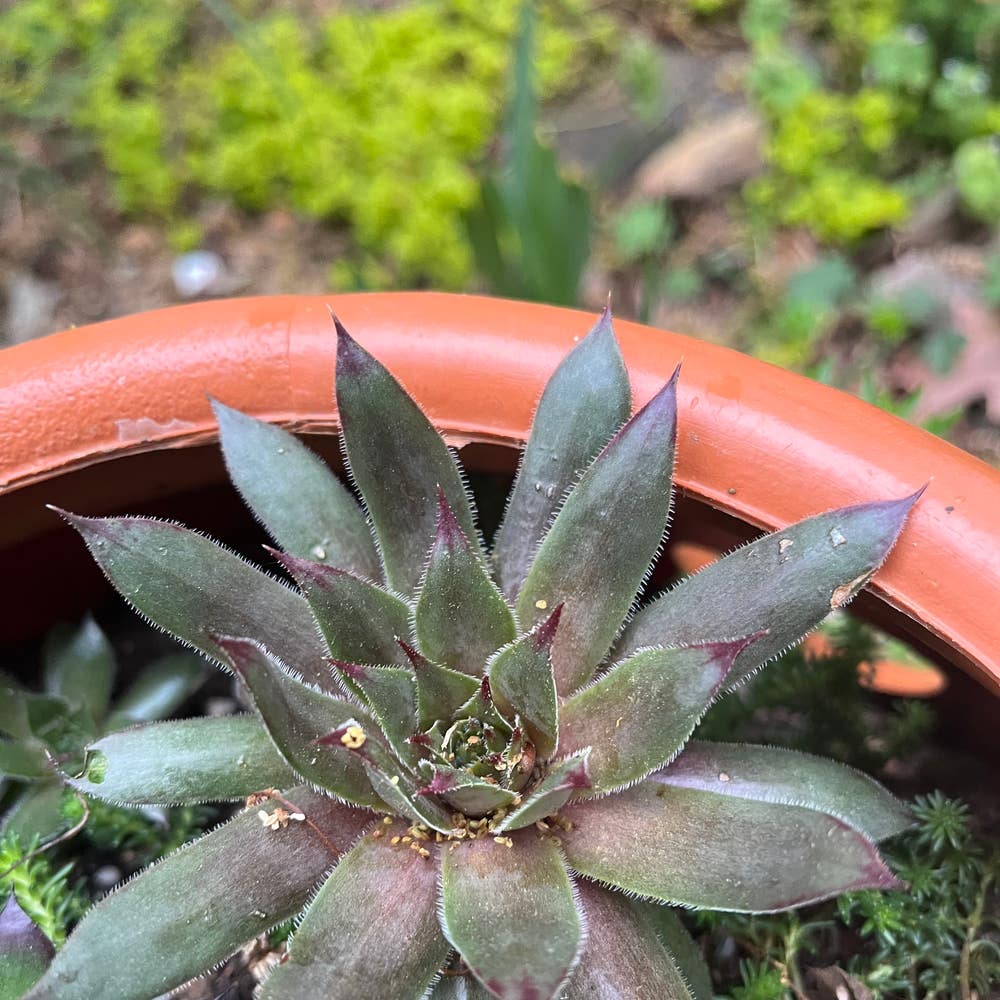
Common Sedeveria 'Dark Elf' Problems
Sedeveria 'Dark Elf'
By the Greg Editorial Team
Jun 18, 2024•5 min read
This article was created with the help of AI so we can cover more plants for you. May contain errors. See one? Report it here.
Nurture your Sedeveria 'Dark Elf' to thrive 🌿 by spotting and fixing these common issues!
- 🚱 Over-watering? Yellow leaves and odor signal it's time to dry out.
- 🌞🌱 Sun and shade balance is crucial; adjust location for healthy growth.
- ❄️🔥 Keep temperatures stable between 15-23ºC to prevent temperature stress.
When Water Works Against You
💧 Over-watering Woes
Yellowing leaves and a stinky situation are the plant's version of a white flag. If your Sedeveria 'Dark Elf' is sending out these distress signals, it's time to take action against over-watering.
First, halt all watering immediately. Let the soil dry out to avoid further waterlogging. Check if the drainage is adequate and clear any blockages. If the soil feels like a swamp, repot your plant with fresh, well-draining soil. Be patient as your plant recovers, and only resume watering when the soil is dry to the touch.
The Thirsty Plant
Shriveled leaves and dry tips are your Sedeveria 'Dark Elf' crying out for a drink. Under-watering can leave your plant looking more deflated than a forgotten birthday balloon.
To remedy this, water thoroughly but ensure the soil has a chance to dry out between waterings. Find the watering sweet spot by checking the soil moisture before each watering—aim for a consistent schedule that keeps the soil lightly moist, not saturated or bone-dry.

Light: Finding the Balance
⛅️ Too Much Sun
Scorched leaves are a red flag for too much sun. If your Sedeveria 'Dark Elf' has crispy, bleached spots, it's time to act.
Immediate Action
- Relocate your plant to a spot with bright, indirect light.
- Filter harsh rays with a sheer curtain if moving isn't an option.
- Prune damaged foliage to help your plant focus on healthy growth.
- Monitor the plant's response and adjust its position as needed.
⛅️ Not Enough Light
Leggy growth and pale leaves scream for more light. Your plant is stretching out, desperately seeking those sunbeams.
Boosting Light Exposure
- Reposition your Dark Elf to a brighter location, avoiding direct sunlight.
- Rotate the plant regularly for even light distribution.
- Consider a grow light if your space lacks natural light.
- Observe changes and tweak the setup to hit that sweet spot of light.

Temperature Tantrums
🌡️ Recognizing Temperature Stress
Chilly leaves and slow growth are your Sedeveria 'Dark Elf's way of saying it's too cold. Unlike us, it can't put on a sweater, so it's up to you to notice these signs. If the leaves are less perky and more droopy, it's time to reassess the thermostat.
🏠 Keeping it Cozy
Stable temperatures are like comfort food for your Sedeveria 'Dark Elf'. Aim for a consistent range, ideally between 15-23ºC (59-73ºF). Avoid placing your plant near drafty windows or above radiators, as these can cause dramatic temperature swings that your plant will definitely not appreciate.
🏡 Indoor Refuge
When bringing your plant indoors, keep it away from vents or drafts, which are as welcome as a hiccup during a speech. A consistent environment is key to preventing your plant from going into survival mode and dropping leaves or halting growth.
🧤 Insulation Tips
If you're dealing with a cold snap, think quick fixes like bubble wrap or plant cloches for short-term protection. But don't get complacent; keep an eye out for signs of stress like dark, greasy patches on leaves, which scream 'I'm cold!'
🌡️ Addressing Temperature Stress
Act fast at the first sign of temperature stress. It's not just about saving a plant; it's about being the hero your Sedeveria 'Dark Elf' needs. Adjust the temperature, move the plant to a more suitable spot, and watch it bounce back with the resilience of a reality TV star.

Uninvited Guests: Pests and Pathogens
🐜 Pests on Patrol
Vigilance is your first line of defense against pests. Aphids, spider mites, and mealybugs are the usual suspects. Check the undersides of leaves and stems for tiny bugs or webbing.
Immediate action is critical. A blast of water can dislodge many pests, while insecticidal soap or neem oil provides a stronger punch. For persistent problems, consider miticides or introducing predatory insects as biological warfare.
🍄 Fungus Among Us
Discoloration or powdery spots? These are the hallmarks of fungal issues. Increase sunlight exposure and remove affected soil to combat these invaders.
Prevention is better than cure. Ensure good airflow and consider a fungicide for stubborn cases. Remember, changing the environment is key to keeping these uninvited guests from returning.
Root Rot: The Silent Killer
🚱 Soggy Roots and a Foul Smell: Early Warnings of Root Rot
Soggy roots and a foul smell are your Sedeveria 'Dark Elf's' cry for help. If your plant's growth has hit a wall and the leaves have turned into squishy disappointments, root rot could be playing the villain. When you unpot the plant, healthy roots should be firm and white, not resembling something from a horror movie set. Dark, slimy roots are a clear distress signal.
💉 Surgery and Recovery: How to Save Your Plant from Root Demise
Time to play plant surgeon. Remove the plant from its pot and shake off the excess soil for a closer look at the roots. Healthy ones are the yoga enthusiasts of the plant world—flexible yet firm. Rotten roots will collapse under the slightest pressure, like overcooked spaghetti. Snip off these mushy menaces with sterilized scissors. It's a no-mercy approach for the greater good. After the amputation, repot your Sedeveria in fresh, well-draining soil, and maybe invest in a pot with better drainage. Remember, moderation is key—overwatering is like force-feeding your plant a water sandwich.
⚠️ Safety First
This content is for general information and may contain errors, omissions, or outdated details. It is not medical, veterinary advice, or an endorsement of therapeutic claims.
Always consult a qualified healthcare professional before using any plant as food, medicine, or supplement.
Never eat any plant (or feed one to pets) without confirming its identity with at least two trusted sources.
If you suspect poisoning, call Poison Control (800) 222-1222, the Pet Poison Helpline (800) 213-6680, or your local emergency service immediately.
Spotted an error? Please report it here.
Avoid over and under-watering your Sedeveria 'Dark Elf' by letting Greg's custom reminders 🌱 keep your plant's care on track and thriving.