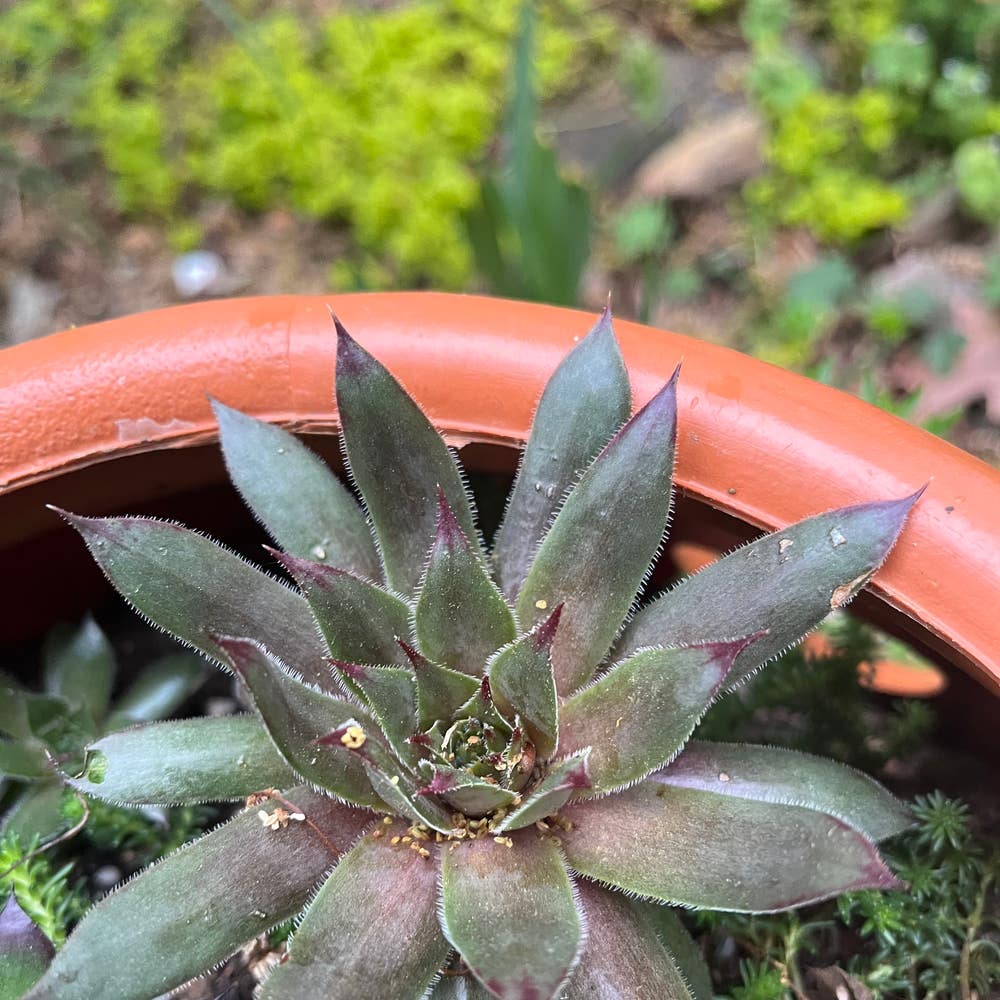
Am I Starving My Sedeveria 'Dark Elf'? Fertilizing 101
Sedeveria 'Dark Elf'
By the Greg Editorial Team
Jun 18, 2024•4 min read
This article was created with the help of AI so we can cover more plants for you. May contain errors. See one? Report it here.
Nourish your Sedeveria 'Dark Elf' to perfection 🌿—discover the secret to vibrant growth with our fertilizing guide!
- 🌱 Feed monthly during growth, rest in winter—no fertilizer needed.
- Balanced 10-10-10 NPK ratio ideal for Sedeveria 'Dark Elf'.
- Observe for over or under-fertilization; adjust care accordingly.
Timing is Everything: When to Feed Your 'Dark Elf'
🌱 Spotting the Growth Spurts
Active growth is your cue. Sedeveria 'Dark Elf' enters its growth spurt with spring's longer days and warmer temperatures. This is when you'll see new leaves and possibly blooms, signaling it's time to fertilize.
💧 Fertilizing Frequency
During this active period, a monthly feeding is generally sufficient. As the seasons shift and growth slows, taper off to match your plant's reduced appetite. Winter is a rest period; think of it as your 'Dark Elf's' downtime—no fertilizer necessary.

Picking the Perfect Potion: Choosing Your Fertilizer
💎 NPK: The Magic Numbers for 'Dark Elf'
To keep your Sedeveria 'Dark Elf' thriving, tailor your fertilizer choice to its needs. The ideal NPK ratio is a balancing act; too much nitrogen and you'll get all leaf, no charm. A balanced blend, similar to a 10-10-10, supports both foliage and flower development. However, during bloom time, a slight increase in phosphorus can encourage those vibrant flowers to show off.
🌱 Organic vs. Synthetic: What's Best for Your Succulent
Organic fertilizers are like a slow-cooked meal for your 'Dark Elf', releasing nutrients at a pace the plant can actually keep up with. They improve soil health over time, which is a win-win for your succulent's roots. On the flip side, synthetic fertilizers give a rapid-fire nutrient boost, great for a quick fix, but with the finesse of a sledgehammer—easy does it, or you'll risk fertilizer burn. Slow-release options can offer a middle ground, providing a steady nutrient supply without the risk of overdoing it.

Feeding Without Frying: Application Techniques
💧 The Right Amount
Knowing how much fertilizer to use is crucial to avoid overfeeding your Sedeveria 'Dark Elf'. Start with a diluted solution, as it's easier to increase the dose than to remedy an overfed plant. Check the packaging for the recommended rate and consider using a bit less to err on the side of caution.
🌱 The Safe Application
🌧 Pre-Application Moisture
Before you even think about fertilizer, make sure the soil is moist. Water your plant with plain water first. This preps the soil to absorb nutrients more evenly and reduces the risk of salt buildup that can fry delicate roots.
⚠️ Granular Fertilizer
If you're using granular fertilizer, sprinkle it around the base, steering clear of the stems and leaves. This helps prevent direct contact that could cause burn.
💦 Liquid Fertilizer
For liquid fertilizers, dilute as directed, then apply to the soil. If you're feeling adventurous, try a foliar feed by misting the leaves in the cooler hours to prevent sunburn.
🕵️ Aftercare
After fertilizing, observe your plant like a hawk. Signs of happiness? Keep it up. Signs of distress? Time to adjust your technique. Remember, precision trumps generosity when it comes to feeding your succulent.

Reading the Leaves: Signs of Fertilization Issues
🌱 Too Much of a Good Thing: Over-Fertilization Symptoms
Yellowing leaves starting at the base and progressing to brown, crispy tips could be your Sedeveria 'Dark Elf' crying out from a nutrient overdose. White crust on the soil is like a neon sign for excess fertilizer. If the roots look like they've been through a rough night—darkened or shriveled—it's time to cut back on the feeding frenzy.
🌿 Hungry for More: Recognizing Under-Fertilization
Stunted growth and pale, lackluster leaves are your plant's version of holding up a "Feed Me" sign. If you're seeing a lack of vibrancy in the foliage and a reluctance to bloom, it's likely your 'Dark Elf' is running on empty. It's not about dumping more fertilizer; it's about finding the right balance to fill the nutritional void.
🚨 Taking Corrective Action
For over-fertilization, flush the soil with water to wash away excess salts—think of it as hitting the reset button. If under-fertilization is the issue, introduce a balanced, gentle fertilizer to your care routine, and watch your 'Dark Elf' perk up. Remember, it's a marathon, not a sprint; adjust gradually and observe the response.
⚠️ Safety First
This content is for general information and may contain errors, omissions, or outdated details. It is not medical, veterinary advice, or an endorsement of therapeutic claims.
Always consult a qualified healthcare professional before using any plant as food, medicine, or supplement.
Never eat any plant (or feed one to pets) without confirming its identity with at least two trusted sources.
If you suspect poisoning, call Poison Control (800) 222-1222, the Pet Poison Helpline (800) 213-6680, or your local emergency service immediately.
Spotted an error? Please report it here.
Nurture your Sedeveria 'Dark Elf' to flourish with finesse 🌿 by letting Greg remind you of the ideal fertilizing times from this guide.