🐛 What To Do About Bugs on My Sedeveria 'Dark Elf'?
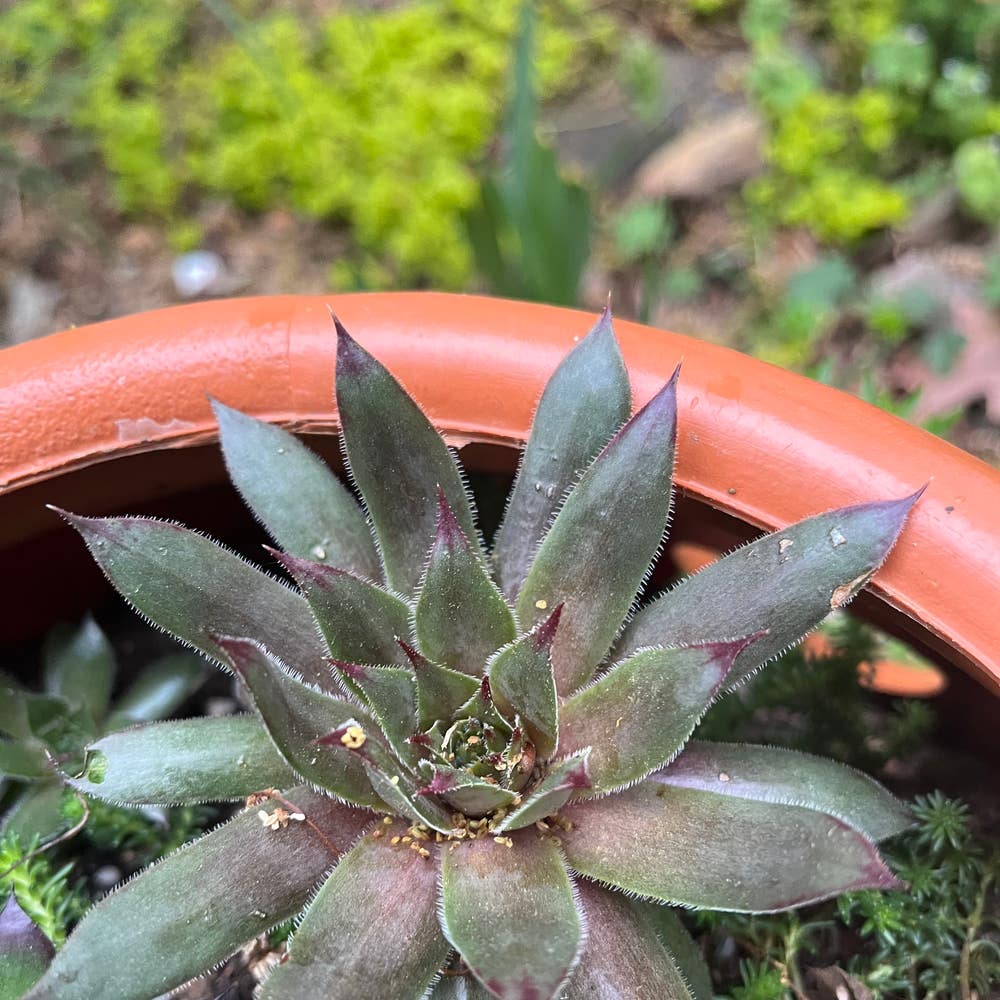
Sedeveria 'Dark Elf'
By the Greg Editorial Team
Jun 18, 2024•6 min read
This article was created with the help of AI so we can cover more plants for you. May contain errors. See one? Report it here.
Shield your Sedeveria 'Dark Elf' 🌱 from bug invasions with expert tips for a pest-free paradise! 🛡️
- Spot early, act fast: Look for webbing, bumps, and white clusters.
- Fight back with neem oil and insecticidal soap for most pests.
- Prevent with quarantine and regular checks for a healthy Sedeveria 'Dark Elf'.
Battle Against Spider Mites
Spider mites can turn your Sedeveria 'Dark Elf' into a ghost town of webbing and damaged leaves. Spotting the signs is crucial: look for fine webbing and leaves with yellow spots or a silvery sheen.
🕷️ Fight Back
When you see the first signs, it's time to fight back. A damp cloth can wipe away the initial invaders. For a more thorough cleansing, neem oil and insecticidal soap are your best friends. Coat every leaf, especially the undersides, where these pests love to lurk.
🚫 Keep Them at Bay
To keep spider mites at bay, maintain higher humidity levels around your plant. They despise moisture. Regularly clean the leaves and surrounding area to prevent a resurgence. Remember, a clean plant is a happy plant, and a happy plant is less inviting to spider mites.

Scale Insects: Sticky Foes
🐞 Unmasking the Enemy: Identifying Those Waxy Bumps
Spotting scale insects is like finding a needle in a haystack, if the needle were a master of disguise. Look for waxy bumps on stems and leaves, or a sticky residue that screams "I'm here!" If you see yellowing leaves or clusters of tiny, shell-like bumps, it's time to spring into action.
⚔️ Winning the War: Manual Removal and Oil Treatments
Get hands-on and scrape those suckers off with a toothpick or a dedicated plant scraper. For the more tenacious scales, rubbing alcohol on a cotton swab will show them who's boss. Follow up with a spritz of insecticidal soap or horticultural oil, ensuring you hit all the infested spots. Repeat applications might be your new hobby—these pests are clingy.
🛡️ Fortifying Defenses: Quarantine New Plants and Vigilant Checks
New plants can be Trojan horses for scale insects. Quarantine them to avoid an all-out infestation. Regularly check your Sedeveria 'Dark Elf' like it's a precious artifact in a museum. And if you're moving from plant to plant, save the infested one for last—no free rides for scales on your watch.

Fungus Gnats and Fruit Flies: The Soil Invaders
🕵️ Catching the Culprits
Fungus gnats and fruit flies are the uninvited plus-ones to your plant's pot party. Spot adult gnats doing their frenzied flight dance when you disturb the soil. Larvae? Look for tiny white worms with shiny black heads chowing down on organic matter in the soil.
🚫 Eradicating the Swarm
Sticky traps are your new best friends. They'll snag those adult gnats like a web catches flies. For the larvae, it's time to get medieval: a potato slice on the soil surface becomes a siren song they can't resist. After a few days, you'll find them clinging to the spud, ready for disposal. If you're feeling more high-tech, a hydrogen peroxide soil drench acts like a pest reset button, zapping larvae and eggs while sparing your plant.
🛡️ Prevention Playbook
Watering wisdom is your shield here. Overwatering is like rolling out the red carpet for these pests. Let the soil dry out between waterings—think of it as creating a mini-desert that's inhospitable to gnat offspring. And for an extra layer of defense, introduce sterile soil when repotting and consider bottom watering to keep the topsoil dry and unattractive for gnat family planning. Stay vigilant, and you'll keep your Sedeveria 'Dark Elf' a gnat-free zone.

Mealybugs: The White Menace
🕵️♂️ Detecting the Infestation
White, fluffy clusters on your Sedeveria 'Dark Elf' are a dead giveaway—mealybugs have moved in. They're not subtle; you'll find them hunkered down in leaf crevices and near stem joints, looking like tiny cotton squatters.
🛡️ Counterattack Tactics
When it's time to evict these pests, alcohol swabs are your go-to weapon. Swipe them across the infested areas with the precision of a ninja. For an infestation that's more like an all-out invasion, bring out the big guns: a soapy spray or neem oil assault will do the trick.
🛡️ Shielding Your Sedeveria
Regular patrols are essential. Think of yourself as the night watch, always on the lookout for white fluff intruders. And remember, isolation isn't just for hermits. New plants should spend some time in solitary to ensure they're not Trojan horses full of mealybugs.
Aphids, Thrips, and Whiteflies: The Unwanted Trio
👀 Recognizing the Raiders
Aphids are like the clingy friends of the bug world—they love to hang out in groups. Look for small, pear-shaped insects in shades of green, black, or white. They're particularly fond of new growth and the undersides of leaves. If you see a sticky substance known as honeydew or a black sooty mold, you've got aphids.
Thrips are the sneak thieves, leaving behind a trail of silvery speckles on leaves after they've had their fill. They're slender and tiny, and you might need a magnifying glass to catch these guys in the act. Check for brown or rust-colored marks on the underside of leaves or distorted new growth.
Whiteflies are the ghosts of the pest world, tiny and moth-like. They love to throw surprise parties on the undersides of your Sedeveria's leaves. A shake of the plant and they'll scatter like confetti, only to settle back down once you've gone. Sticky honeydew and sooty mold are their calling cards.
🛡️ Tailored Takedowns
For aphids, a blast of water from the hose or a spray of insecticidal soap can work wonders. If you're feeling hands-on, a dab of rubbing alcohol on a cotton swab will send them packing.
Thrips require a bit more finesse. Blue sticky traps can catch adults, while introducing predators like lacewings can keep their numbers down. If you're in a hurry, a pyrethrin-based spray is a quick fix, but it's not selective—beneficial bugs beware.
Whiteflies hate a good sticky trap, but they also detest neem oil and insecticidal soap. If you're outdoors, consider planting nectar-rich flowers to attract whitefly predators like hummingbirds.
🏰 Building a Fortress
Quarantine new plants before introducing them to your collection to prevent an infestation. Regularly inspect your Sedeveria for early signs of these pests, and act swiftly if you spot trouble.
Promote beneficial insects by planting a variety of flowering plants nearby. These natural predators will help keep aphid populations in check. For thrips, maintain a higher humidity around your plants, as they prefer dry conditions. Reflective mulches can disorient whiteflies, so consider laying some around your plant's base.
Remember, vigilance is key. Regular checks and early intervention can save your Sedeveria 'Dark Elf' from these unwanted guests. Keep your eyes peeled and your remedies ready, and you'll be well on your way to a pest-free plant paradise.
⚠️ Safety First
This content is for general information and may contain errors, omissions, or outdated details. It is not medical, veterinary advice, or an endorsement of therapeutic claims.
Always consult a qualified healthcare professional before using any plant as food, medicine, or supplement.
Never eat any plant (or feed one to pets) without confirming its identity with at least two trusted sources.
If you suspect poisoning, call Poison Control (800) 222-1222, the Pet Poison Helpline (800) 213-6680, or your local emergency service immediately.
Spotted an error? Please report it here.
Ensure your Sedeveria 'Dark Elf' stays thriving and pest-free 🌿 with Greg's timely reminders and community-backed tips for early bug detection and intervention.