9 Ideal Locations to Plant Phyllanthus mirabilis 🥄
Phyllanthus mirabilis
By the Greg Editorial Team
Sep 30, 2024•4 min read
This article was created with the help of AI so we can cover more plants for you. May contain errors. See one? Report it here.
- ☀️ Phyllanthus mirabilis needs 6-8 hours of sunlight for optimal growth and flowering.
- 🌱 Well-draining sandy loam soil is essential to prevent root rot and promote health.
- 🌿 Space plants 12-18 inches apart to avoid overcrowding and ensure healthy growth.
Sunlight Exposure
Full Sun Requirements 🌞
Phyllanthus mirabilis thrives best with 6-8 hours of direct sunlight each day. This optimal exposure not only boosts growth but also enhances flowering and overall plant health.
Shade Tolerance and Partial Sun 🌤️
While this plant can tolerate partial shade, it truly prefers full sun. In extremely hot climates, providing morning sun with afternoon shade can create the ideal balance for its well-being.
Understanding these sunlight needs is crucial for successful cultivation. Next, let’s explore the soil type and conditions that will help your Phyllanthus mirabilis flourish.
Soil Type and Conditions
Well-Draining Soil Preferences 🌊
For Phyllanthus mirabilis, the right soil texture is crucial. Sandy loam or loamy soil is ideal, providing the perfect balance of drainage and moisture retention.
Good drainage is essential to prevent root rot, which can be detrimental to plant health. Healthy roots mean a thriving plant, so ensure your soil allows excess water to escape.
Soil pH Considerations ⚗️
The preferred pH range for Phyllanthus mirabilis is between 6.0 and 7.5. This range optimizes nutrient uptake, ensuring your plant gets the essential elements it needs to flourish.
To assess your soil's pH, consider using a pH meter or a test kit. Regular testing helps you maintain the right conditions for your plant's growth.
As you prepare to plant, remember that the right soil conditions set the foundation for success. Next, let’s explore how to assess the best spot for your Phyllanthus mirabilis, ensuring it thrives in its new home.
Proximity to Other Plants
🌱 Companion Planting Benefits
When planting Phyllanthus mirabilis, consider its companions. Other tropical plants that share similar water and light needs can create a thriving ecosystem.
Companion planting not only enhances biodiversity but also helps deter pests. This natural synergy can lead to healthier plants and a more vibrant garden.
📏 Avoiding Overcrowding
Spacing is crucial for the health of your plants. Ensure you plant Phyllanthus mirabilis 12-18 inches apart to prevent competition for resources.
Watch for signs of overcrowding, such as stunted growth, yellowing leaves, and reduced flowering. These indicators suggest that your plants need more space to flourish.
By carefully selecting companions and managing spacing, you can create a thriving environment for Phyllanthus mirabilis. This attention to detail will set the stage for healthy growth and vibrant blooms.
Next, let’s explore how to assess the best spot for your plants, focusing on sunlight patterns and seasonal changes.
Assessing the Best Spot
🌞 Evaluating Sunlight Patterns
Morning vs. Afternoon Sun
Morning sun is a game-changer for Phyllanthus mirabilis. It provides gentle light that boosts photosynthesis without the risk of overheating.
In contrast, afternoon sun can be intense and stressful for the plant. If you live in a particularly hot area, consider providing some partial shade during those peak hours.
🍂 Seasonal Changes in Light
Understanding how sunlight shifts with the seasons is crucial for optimal growth. Regularly monitor these changes to pinpoint the best planting location.
As seasons change, be ready to adjust your plant's placement. Moving pots or rearranging your garden layout can make a significant difference in light availability.
Indoor vs. Outdoor Planting
Indoor Location Considerations 🌱
Light Sources and Window Placement
For indoor planting, the best windows are south or west-facing. These orientations provide the most light, crucial for the health of your Phyllanthus mirabilis.
If natural light falls short, consider using grow lights. They can supplement your plant's needs, ensuring it thrives even in less-than-ideal conditions.
Outdoor Location Considerations 🌳
Garden Bed vs. Container Planting
When planting outdoors, garden beds offer significant advantages. They provide ample space for root growth and help retain moisture, which is vital for your plant's development.
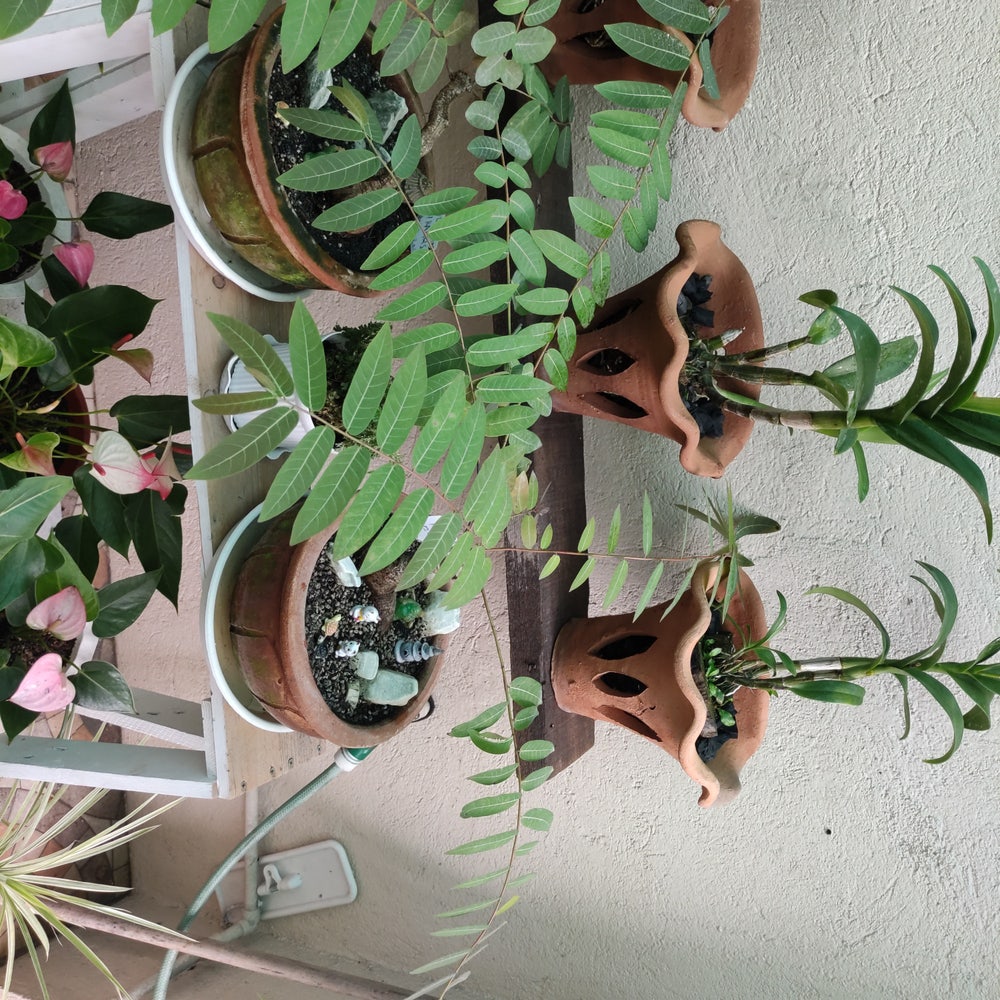
On the other hand, container planting allows for flexibility. You can easily move pots to optimize sunlight exposure or protect them from harsh weather.
Landscape Integration 🌼
Designing with Phyllanthus mirabilis in mind can elevate your garden's aesthetic. Consider its growth habits to create a visually appealing layout.
Grouping it with other tropical plants not only enhances the look but also meets similar care needs. This approach fosters a harmonious garden environment, making maintenance easier and more enjoyable.
As you explore the best planting options, remember that both indoor and outdoor settings have unique benefits. Choose what aligns best with your gardening goals and lifestyle.
⚠️ Safety First
This content is for general information and may contain errors, omissions, or outdated details. It is not medical, veterinary advice, or an endorsement of therapeutic claims.
Always consult a qualified healthcare professional before using any plant as food, medicine, or supplement.
Never eat any plant (or feed one to pets) without confirming its identity with at least two trusted sources.
If you suspect poisoning, call Poison Control (800) 222-1222, the Pet Poison Helpline (800) 213-6680, or your local emergency service immediately.
Spotted an error? Please report it here.
Unlock the full potential of your Phyllanthus mirabilis with Greg's tailored care reminders and sunlight tracking, ensuring it receives the ideal light 🌞 for vibrant growth and stunning blooms!