10 Winter Threats to Your Phyllanthus mirabilis ❄️
Phyllanthus mirabilis
By the Greg Editorial Team
Sep 30, 2024•3 min read
This article was created with the help of AI so we can cover more plants for you. May contain errors. See one? Report it here.
- ❄️ Phyllanthus mirabilis enters dormancy, slowing growth and dropping leaves in winter.
- 🌱 Water every 2-3 weeks during dormancy to prevent overwatering and root rot.
- 🧊 Protect from frost by covering with cloths; damage occurs below 32°F (0°C).
Winter Behavior and Care
🌱 Dormancy and Evergreen Characteristics
Dormancy in plants is a period of reduced metabolic activity, allowing them to conserve energy during harsh winter months. In colder climates, your Phyllanthus mirabilis may enter dormancy, so it's crucial to recognize the signs, such as slowed growth and leaf drop.
Despite this dormancy, Phyllanthus mirabilis retains its leaves, showcasing its evergreen characteristics. This trait influences your care practices, as you'll need to adjust your approach to ensure the plant thrives through winter.
💧 Adjusting Watering and Fertilizing
Watering Schedule Adjustments
During dormancy, it's essential to reduce your watering frequency. This helps retain soil moisture and prevents overwatering, which can lead to yellowing leaves and root rot.
Aim to water every 2-3 weeks, depending on humidity levels. A simple soil check method is to stick your finger 1-2 inches into the soil to assess moisture before watering.
Fertilizing Practices
Avoid fertilizing your Phyllanthus mirabilis during its dormant phase. Resume fertilization in early spring as growth begins again, using balanced, slow-release options to support healthy development.
❄️ Protection from Frost
Identifying Frost Threats
Frost poses a significant threat to your plant, especially when temperatures drop below 32°F (0°C). Look for frost formation on leaves and stems, which can indicate potential damage.
Frost can cause leaf browning and wilting, and in severe cases, it may lead to plant death if not addressed.
Frost Protection Methods
To protect your plant from frost, cover it with frost cloths or blankets before sunset. Mulching can also provide insulation and moisture retention, while bringing potted plants indoors before the first frost is a smart move.
🌤️ Creating a Microclimate
Techniques for Microclimate Creation
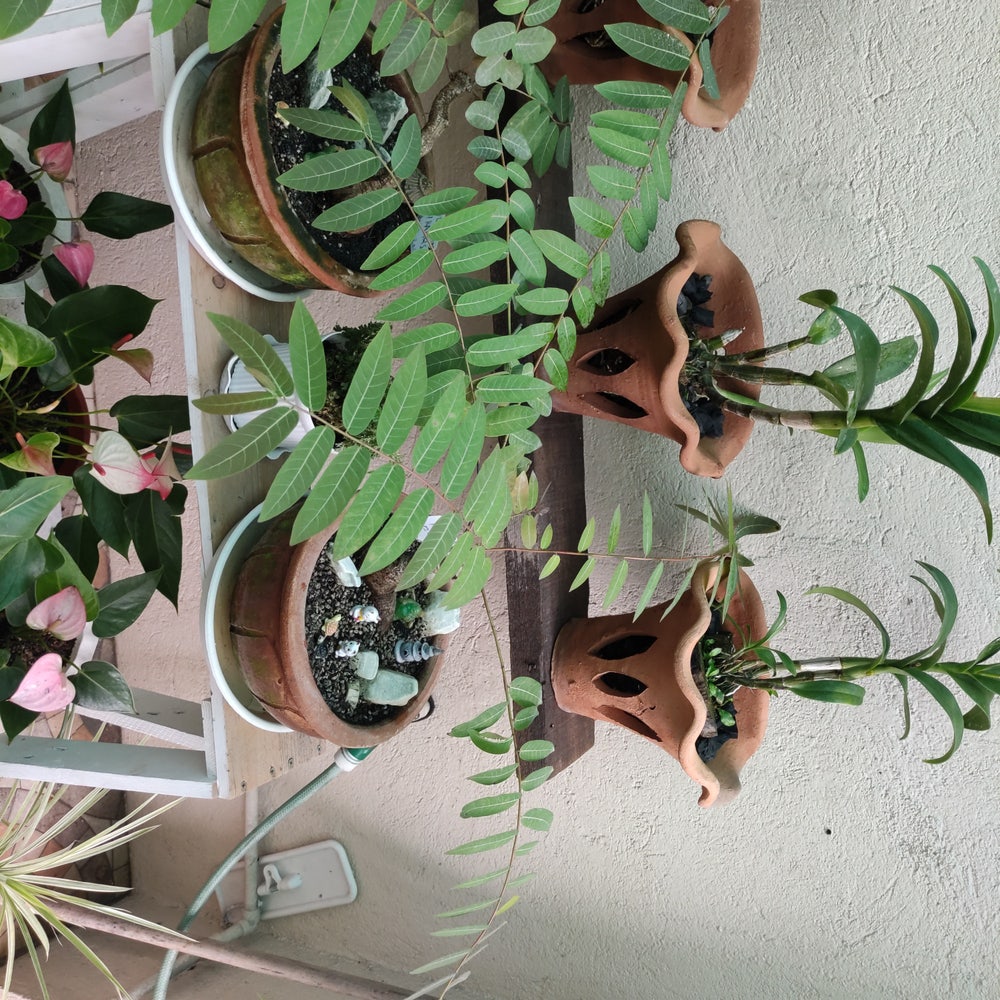
Creating a microclimate can significantly benefit your Phyllanthus mirabilis. Grouping plants together helps generate warmth, while windbreaks like fences or shrubs can shield them from cold winds.
Importance of Location
Choosing sheltered spots in your garden is vital. Utilizing south-facing walls can enhance heat retention, providing a cozy environment for your plant during winter.
🌼 Recovery and Spring Preparation
Signs of Winter Damage
After winter, look for common indicators of damage, such as leaf discoloration—yellowing or browning—and stunted growth or wilting. Assessing overall plant health is crucial for recovery.
Steps for Recovery
Start recovery by pruning damaged foliage in early spring, making clean cuts to promote healing. Gradually increase watering frequency and resume fertilization with balanced nutrients to support new growth.
🌱 Preparing for Spring Growth
Preparation is key for optimal conditions as spring approaches. Recommended practices include adding compost to amend the soil and monitoring for pests and diseases as growth resumes.
By understanding these winter behaviors and care techniques, you can ensure your Phyllanthus mirabilis emerges healthy and vibrant come spring. Now, let’s explore the signs of winter damage and how to effectively recover your plant.
⚠️ Safety First
This content is for general information and may contain errors, omissions, or outdated details. It is not medical, veterinary advice, or an endorsement of therapeutic claims.
Always consult a qualified healthcare professional before using any plant as food, medicine, or supplement.
Never eat any plant (or feed one to pets) without confirming its identity with at least two trusted sources.
If you suspect poisoning, call Poison Control (800) 222-1222, the Pet Poison Helpline (800) 213-6680, or your local emergency service immediately.
Spotted an error? Please report it here.
Keep your Phyllanthus mirabilis thriving this winter ❄️ by using Greg's tailored reminders for watering and frost protection, ensuring it emerges healthy and vibrant in spring!