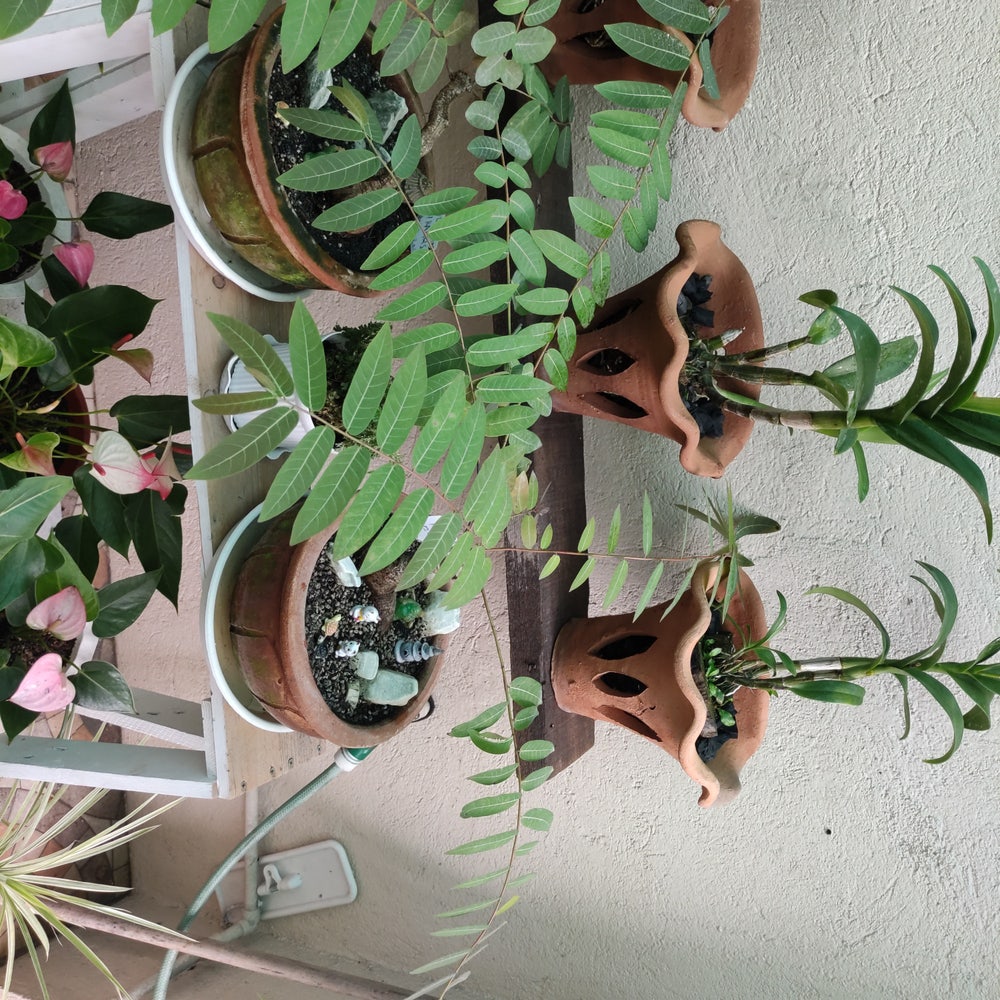
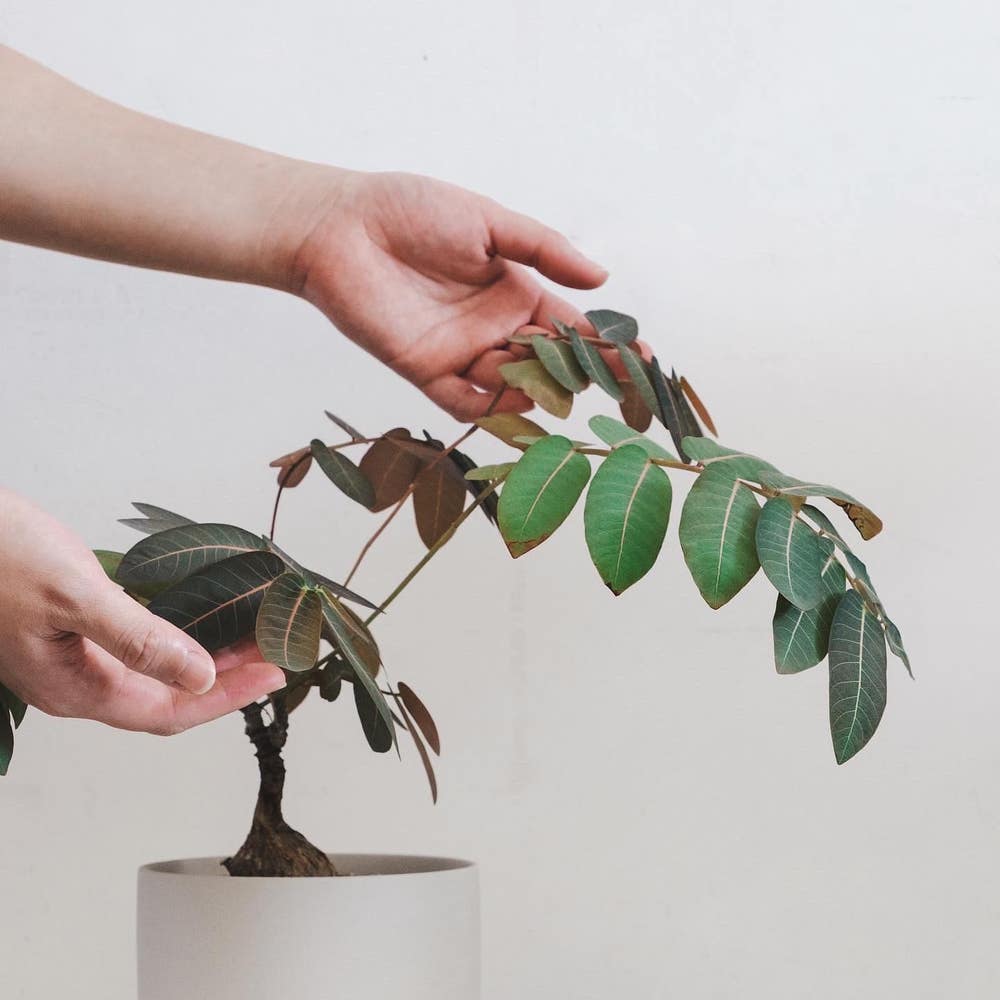
🌞 Is Direct Sunlight Good for My Phyllanthus mirabilis?
Phyllanthus mirabilis
By the Greg Editorial Team
Jun 18, 2024•4 min read
This article was created with the help of AI so we can cover more plants for you. May contain errors. See one? Report it here.
- 🌿 Bright, indirect sunlight is ideal for Phyllanthus mirabilis.
- Watch for brown spots or fading as signs of sun stress.
- Adjust position seasonally to match sunlight intensity changes.
When the Sun Kisses Phyllanthus mirabilis
🌞 What Does Direct Sunlight Mean for Your Leafy Buddy?
Direct sunlight is the sun's full monty—unfiltered, beaming energy straight onto your plant's leaves. Indirect sunlight, on the other hand, is the sun playing it cool, offering a milder touch that won't overwhelm your green friend.
Can Phyllanthus mirabilis Soak Up the Sun?
Phyllanthus mirabilis, a deciduous character, can handle some direct sun but doesn't want to live in the spotlight. Think of it as enjoying a sunny day with the option to retreat under a tree's shade. Too much direct light, and it might throw a leafy tantrum, dropping leaves like they're hot. Balance is key—your plant craves that sweet spot where it's bright enough to thrive but shaded enough to avoid a sunburn.

Reading the Sun's Signals
🌞 Spotting Sun Stress in Phyllanthus mirabilis
Phyllanthus mirabilis, like a delicate piece of art, can't handle the harsh glare of direct sunlight for too long. Sun stress signs in this plant are not subtle. If your leafy friend starts sporting a crispy tan with brown spots or edges, it's begging for a break from the sunbathing. Leaves may also fade, losing their vibrant green for a pale, sickly color.
🏝 The Natural Habitat Clues
Understanding the native habitat of Phyllanthus mirabilis is key to getting its light requirements just right. Originating from tropical regions, it's accustomed to dappled light, much like the kind filtered through a forest canopy. This plant thrives in bright, indirect sunlight, mimicking the conditions of its home turf. Too much direct sun is as welcome as a snowstorm in the tropics—it just doesn't suit this plant's style.

Through the Window: Sunlight's Path to Your Plant
🌞 The Window Compass: Navigating Light in Your Home
Direction is crucial when placing your Phyllanthus mirabilis. A south-facing window in the Northern Hemisphere is like a spotlight, offering the most intense light. This can be great, but watch out for signs of sunburn on your plant's leaves. If you're in the Southern Hemisphere, aim for a north-facing window for similar levels of sunlight.
East-facing windows provide gentle morning light, a soft touch that can benefit your Phyllanthus mirabilis without overwhelming it. West-facing windows, however, can be harsh with the afternoon sun, so you might need to use sheer curtains or position the plant slightly away from the window to avoid scorching.
North-facing windows are the low-key option, offering minimal direct sunlight. This could be a safe bet if you're worried about too much sun, but remember, your Phyllanthus mirabilis does like its fair share of light.
🌍 Hemisphere Hints: Seasonal Sunlight Shifts
The hemisphere you're in affects not just the window direction but also the seasonal intensity of sunlight. In the Northern Hemisphere, winter sun is weaker, so your plant might appreciate a spot closer to the window. During summer, the sun is more direct, and you may need to pull your Phyllanthus mirabilis back to avoid overexposure.
Conversely, in the Southern Hemisphere, the summer sun is gentler, and your plant can likely handle a sunnier spot without the risk of damage. But come winter, you might need to find a brighter location to compensate for the reduced light levels.
Remember, as the seasons change, so should your plant's position. Keep an eye on the sunlight's quality and quantity throughout the year, and adjust your Phyllanthus mirabilis's location to keep it basking in just the right amount of light.

Sunlight Strategies for Phyllanthus mirabilis
🌞 The Perfect Spot: Balancing Light and Shade
Finding the ideal location for your Phyllanthus mirabilis is like setting up a hammock; it needs to be just right. Bright, indirect light is the sweet spot. Place your plant a few feet from a window where the light is filtered, not fried. Remember, direct sunlight can be a bit much for this deciduous character, potentially leading to a dramatic leaf drop.
🌍 Seasonal Sunlight Shuffle
As the earth tilts and turns, your plant's needs shift with the seasons. In the summer, you might need to pull it back from the window or use a sheer curtain to soften the sun's intensity. Come winter, inch it closer to catch those precious rays. It's a delicate balance, like a DJ tweaking the knobs to get the perfect sound, except you're adjusting for light, not bass. Keep an eye on the foliage; if you see signs of sun stress, it's time to move your green buddy. Remember, gradual changes are better than drastic relocations—no plant likes to be thrown into the deep end of the sunlight pool.
⚠️ Safety First
This content is for general information and may contain errors, omissions, or outdated details. It is not medical, veterinary advice, or an endorsement of therapeutic claims.
Always consult a qualified healthcare professional before using any plant as food, medicine, or supplement.
Never eat any plant (or feed one to pets) without confirming its identity with at least two trusted sources.
If you suspect poisoning, call Poison Control (800) 222-1222, the Pet Poison Helpline (800) 213-6680, or your local emergency service immediately.
Spotted an error? Please report it here.
Ensure your Phyllanthus mirabilis is perfectly poised 🌞 with Greg's PlantVision, which helps you find the ideal balance of light for thriving without the threat of sunburn.