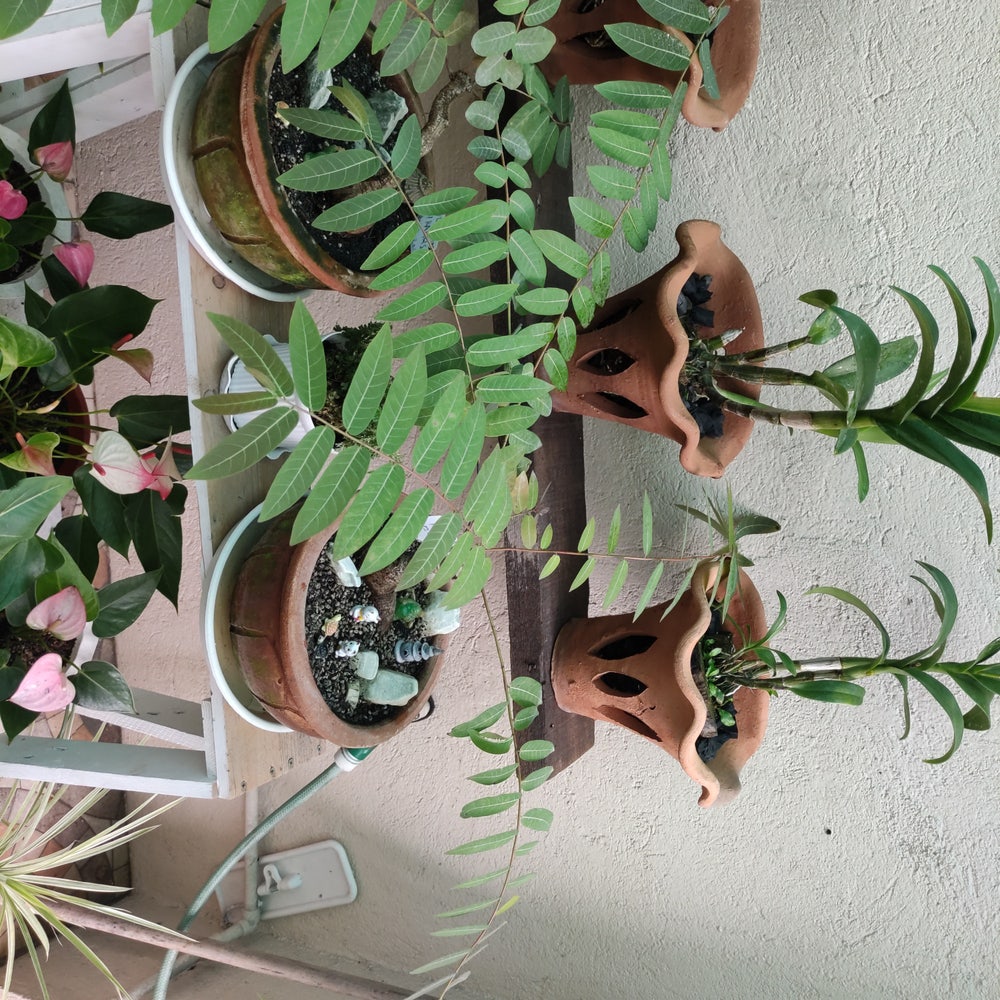
📏 Controlling Phyllanthus mirabilis Height and Width
Phyllanthus mirabilis
By the Greg Editorial Team
Sep 30, 2024•4 min read
This article was created with the help of AI so we can cover more plants for you. May contain errors. See one? Report it here.
- 🌱 Phyllanthus mirabilis grows 3-6 feet tall; dwarf varieties are 1-2 feet.
- ✂️ Pruning in early spring maintains size and shape effectively.
- 🌞 Environmental factors like soil and light significantly influence plant growth.
Growth Characteristics
Mature Height and Width 🌳
Phyllanthus mirabilis typically reaches a mature height of 3 to 6 feet (0.9 to 1.8 meters) and a width of 2 to 4 feet (0.6 to 1.2 meters). These dimensions can vary significantly based on cultivar differences and growing conditions, such as soil quality, light exposure, and watering practices.
Growth Rate and Time to Maturity ⏳
This plant has a moderate to fast growth rate, usually taking about 2 to 3 years to reach its full size. Factors like environmental conditions and care practices can greatly influence how quickly it grows.
Size Variability Based on Conditions 🌱
Environmental factors play a crucial role in size variability. Soil quality, light exposure, and watering practices can lead to noticeable differences in plant size.
For instance, plants grown in optimal conditions will flourish, while those in suboptimal conditions may struggle to reach their potential. Understanding these influences can help you create the best environment for your Phyllanthus mirabilis.
With this knowledge, you can better manage your plant's growth and set realistic expectations for its size. Next, let’s explore the various varieties of Phyllanthus mirabilis and their unique growth potentials.
Varieties and Their Growth Potential
🌱 Dwarf Varieties
Dwarf varieties of Phyllanthus mirabilis typically reach a height of 1 to 2 feet (0.3 to 0.6 meters). These plants are known for their compact and bushy growth habits, making them ideal for smaller spaces or container gardening.
To thrive, dwarf varieties prefer well-draining soil and bright, indirect light. Ensuring these conditions can lead to lush, healthy plants that fit perfectly in any garden nook.
🌳 Giant Varieties
On the other end of the spectrum, giant varieties can grow impressively tall, reaching heights of 6 to 8 feet (1.8 to 2.4 meters). Their sprawling and expansive growth habits can create a dramatic focal point in larger gardens.
When considering giant varieties, it's essential to account for their space requirements and potential support needs. Providing ample room and possibly trellises will help these plants flourish without becoming unruly.
Understanding the differences between dwarf and giant varieties allows you to choose the right fit for your gardening goals. Whether you opt for the compact charm of dwarf varieties or the bold presence of giants, both can bring unique beauty to your landscape.
Next, let’s explore effective size control techniques to manage your Phyllanthus mirabilis growth.
Size Control Techniques
Controlling the size of your Phyllanthus mirabilis can enhance its aesthetic appeal and ensure it fits well in your garden space. Here are some effective methods to manage its growth.
✂️ Pruning Methods
Pruning is a crucial technique for maintaining the shape and size of your plant.
- Timing: The best time to prune is early spring, just before new growth begins.
- Tools: Always use clean, sharp pruning shears to make precise cuts.
To prune effectively, follow these steps:
- Identify areas to prune for the desired shape.
- Cut back to a healthy node or leaf to encourage new growth.
- Remove any dead or damaged branches to promote overall health.
📏 Other Techniques to Control Size
In addition to pruning, there are other strategies to manage size effectively.
Growth Regulators: Consider using growth regulators if applicable. These can help slow down growth without harming the plant.
Container Gardening: Growing Phyllanthus mirabilis in containers can limit its size. Restricting root space encourages a more compact growth habit.
Strategic Placement: Use barriers or trellises to manage growth direction. This can help you control how sprawling the plant becomes.
By employing these techniques, you can maintain a healthy, well-sized Phyllanthus mirabilis that complements your garden beautifully.
Next, let’s explore some common misconceptions about this fascinating plant and clarify size expectations.
Common Misconceptions
Myths About Growth Potential 🌱
Many people believe that Phyllanthus mirabilis will always reach its maximum height. However, this is a misconception; growth can vary significantly based on environmental conditions.
Another common myth is that all varieties of Phyllanthus mirabilis grow to the same size. In reality, there are substantial differences between cultivars that can affect their mature dimensions.
Clarifying Size Expectations 📏
Understanding how environmental factors impact size is crucial for any gardener. Realistic expectations for growth are essential, as neglecting care can lead to stunted plants.
On the flip side, providing proper care can help you achieve the desired dimensions for your Phyllanthus mirabilis. With the right attention, these plants can thrive and reach their full potential.
As we move forward, let’s explore effective techniques for controlling the size of your Phyllanthus mirabilis.
⚠️ Safety First
This content is for general information and may contain errors, omissions, or outdated details. It is not medical, veterinary advice, or an endorsement of therapeutic claims.
Always consult a qualified healthcare professional before using any plant as food, medicine, or supplement.
Never eat any plant (or feed one to pets) without confirming its identity with at least two trusted sources.
If you suspect poisoning, call Poison Control (800) 222-1222, the Pet Poison Helpline (800) 213-6680, or your local emergency service immediately.
Spotted an error? Please report it here.
Control your Phyllanthus mirabilis's growth like a pro 🌱 with Greg's tailored care reminders and expert tips to keep your plant thriving at the perfect size!