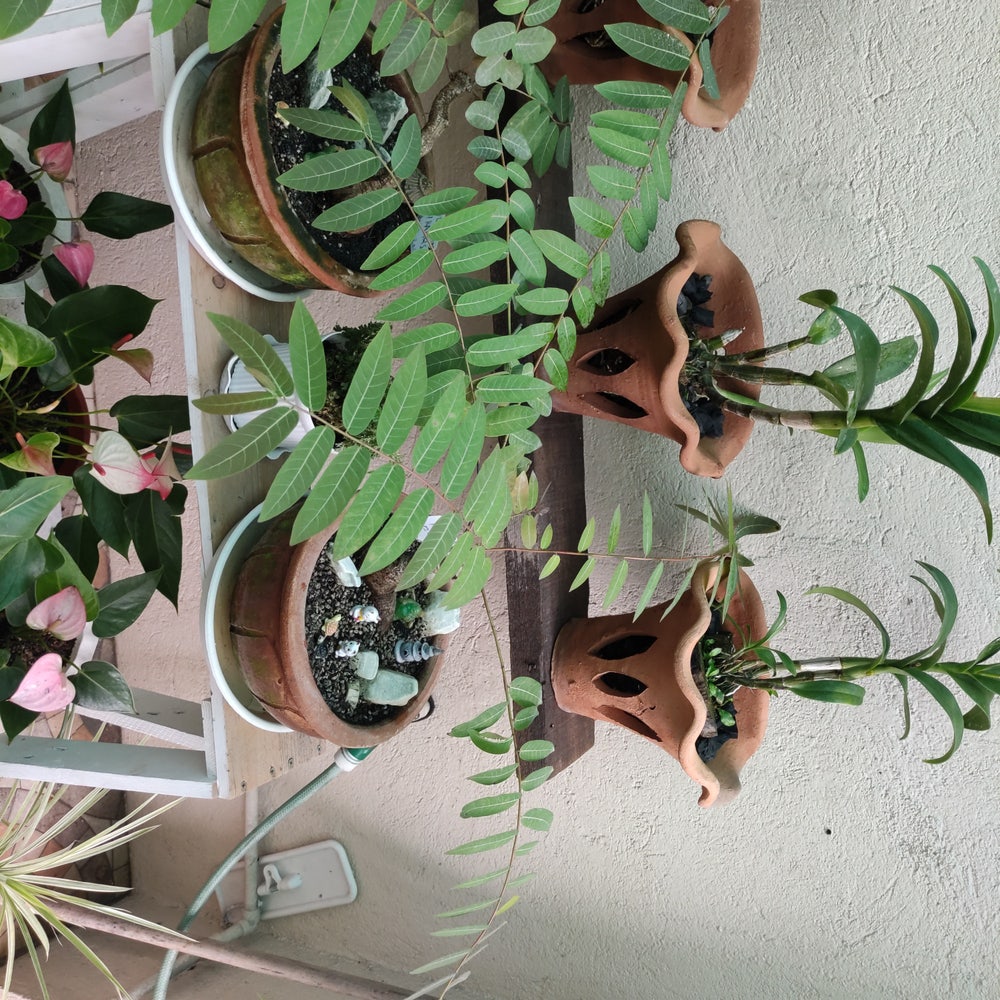
Phyllanthus mirabilis - Fertilizing 101
Phyllanthus mirabilis
By the Greg Editorial Team
Jun 18, 2024•4 min read
This article was created with the help of AI so we can cover more plants for you. May contain errors. See one? Report it here.
- Organic vs. Synthetic: Choose based on your plant's needs—slow-release or fast-acting.
- NPK and Micronutrients: Essential for leaf growth, root strength, blooms, and overall health.
- Fertilize wisely: Follow growth season cues and avoid over-fertilization damage.
Picking the Perfect Fertilizer
💩 Organic vs. Synthetic: What's Best for Your Phyllanthus?
Organic fertilizers are the slow-release, soil-conditioning stalwarts of the plant world. They feed your Phyllanthus mirabilis gradually while improving soil structure. Synthetic fertilizers, on the other hand, are the fast-acting, precision tools in your gardening arsenal, delivering nutrients directly and quickly. The choice hinges on whether you're playing the long game or looking for a quick fix.
🎯 Decoding NPK: Tailoring the Ratio for Your Plant
The NPK ratio is your roadmap to fertilization. Nitrogen (N) fuels leafy growth, Phosphorus (P) strengthens roots and boosts blooms, and Potassium (K) is essential for overall health. Phyllanthus mirabilis, with its delicate balance of foliage and flowers, typically thrives on a balanced mix. However, tweaking the ratio can optimize growth or flowering, depending on your plant's phase of life.
🌱 The Micronutrient Mix: Small but Mighty
Micronutrients might not get the limelight, but they're crucial for your plant's well-being. These include elements like Iron, Manganese, and Zinc—tiny players that make a big impact. A fertilizer that includes these alongside the NPK trio can elevate your Phyllanthus from surviving to thriving. Remember, it's not just about the big three; it's about the complete nutritional picture.

Timing is Everything: When to Fertilize
💥 Growth Spurts: Fertilizing for Vigorous Growth
Spring ushers in growth season for Phyllanthus mirabilis, making it prime time for fertilization. As new leaves unfurl, it's a signal to start feeding your plant. Every two to four weeks should do the trick, with a balanced fertilizer that caters to this energetic phase.
🍂 Seasonal Smarts: Adjusting for Spring and Fall
As fall approaches, growth slows, and so should your fertilization. Reduce frequency to avoid nutrient overload, allowing your plant to enter dormancy gracefully. It's about syncing with nature's rhythm, not the calendar.
💐 Blooming Boost: Timing Fertilizer for Flowers
To encourage blooming, fertilize Phyllanthus mirabilis when you spot the first signs of flower development. A low-nitrogen blend is best, as too much nitrogen can lead to lush leaves at the expense of flowers. Remember, less is often more when it comes to blooms.

Fertilizer Application: Doing it Right
💡 Dosage Do's and Don'ts: How Much is Just Right?
Measuring matters. Overdoing it with fertilizer is like a flavor overload in a delicate dish – it can ruin your plant. Stick to the recommended dosage on the fertilizer label, and consider starting with half that amount to avoid nutrient burn. It's easier to add more than to fix the damage of too much.
💡 Method to the Madness: Best Ways to Apply Fertilizer
Soil incorporation is your go-to method. Think of it as evenly spreading the seasoning before cooking – it ensures all roots get their fair share of nutrients. Apply granular fertilizer around the plant's base and gently mix it into the top layer of soil. For liquid fertilizers, dilute as directed and apply to moist soil, not dry – this helps with absorption.
💡 Leafy No-Nos: Avoiding Foliage Fiascos
Leaves are not for drenching. If you're going the foliar feeding route, a fine mist is all you need. It's a quick fix, not a full meal. And always avoid the midday sun – it can turn those droplets into tiny magnifying glasses, scorching your plant's leaves. Stick to early morning or late afternoon for a happy, hydrated Phyllanthus mirabilis.

Oops, Too Much! Dealing with Over-Fertilization
🚨 Spotting Trouble: Recognizing Over-Fertilization Signs
Yellow or brown leaves and burned leaf tips are the plant's SOS signals. If your Phyllanthus mirabilis starts dropping leaves like hot potatoes or shows signs of wilting with damp soil, it's likely crying out from nutrient overload.
🛠️ Damage Control: How to Save an Over-Fed Phyllanthus
First, halt all fertilizer applications—it's time for an intervention. Remove any visible fertilizer from the soil surface, as if you're peeling back the layers of a badly overdone cake. Then, initiate a soil flush, running water through the pot to leach out the excess—think of it as a plant detox. Repeat this a few times, and prune away the damaged parts to help your Phyllanthus focus on healing.
🛡️ Prevention Tips: Keeping Over-Fertilization at Bay
To prevent future over-fertilization, adopt a less-is-more philosophy. Regularly flush the pot every few months to prevent salt buildup, a common consequence of overzealous feeding. Stick to the recommended dosage and frequency—it's not an all-you-can-eat buffet. By observing your plant's response and adapting your routine, you'll foster a healthier, happier Phyllanthus.
⚠️ Safety First
This content is for general information and may contain errors, omissions, or outdated details. It is not medical, veterinary advice, or an endorsement of therapeutic claims.
Always consult a qualified healthcare professional before using any plant as food, medicine, or supplement.
Never eat any plant (or feed one to pets) without confirming its identity with at least two trusted sources.
If you suspect poisoning, call Poison Control (800) 222-1222, the Pet Poison Helpline (800) 213-6680, or your local emergency service immediately.
Spotted an error? Please report it here.
Ensure your Phyllanthus mirabilis flourishes with just-right fertilizer doses 🌱 by following Greg's personalized reminders and expert care tips from this guide!