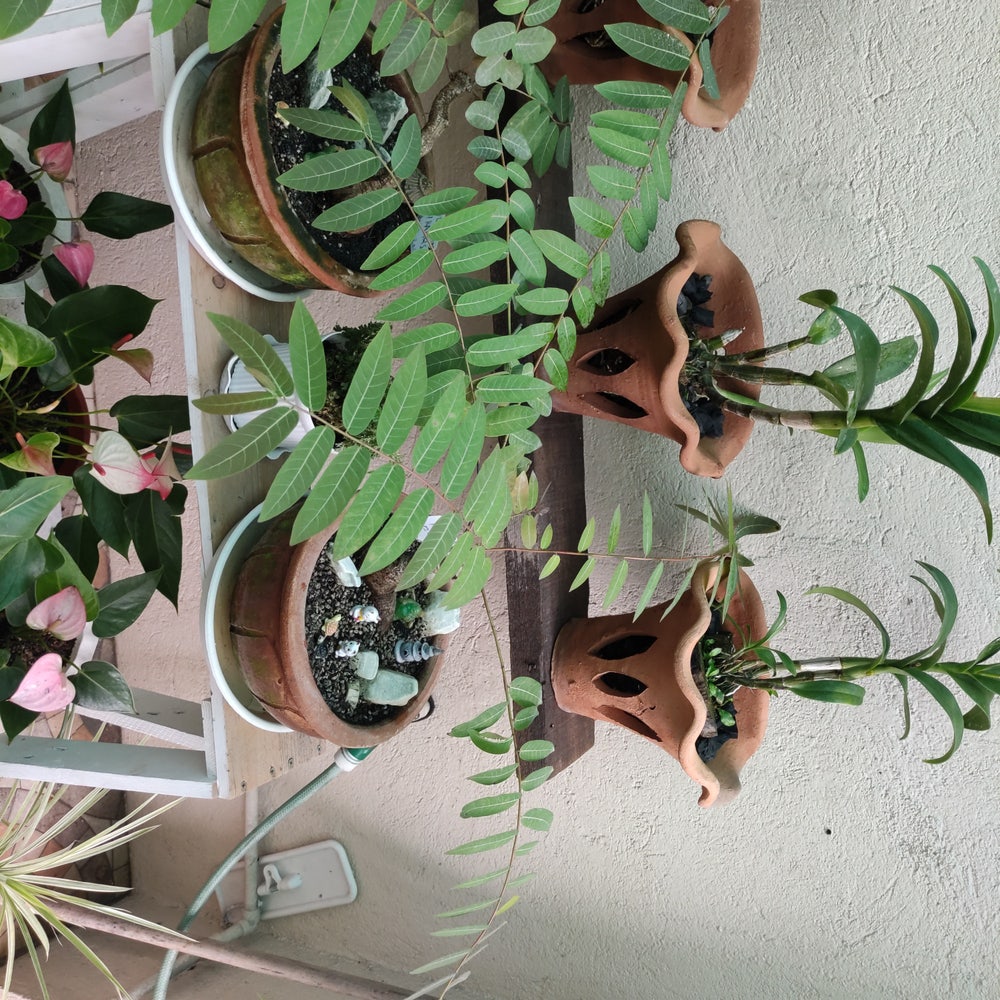
🥄 How to Plant: Phyllanthus mirabilis
Phyllanthus mirabilis
By the Greg Editorial Team
Sep 30, 2024•4 min read
This article was created with the help of AI so we can cover more plants for you. May contain errors. See one? Report it here.
- 🌱 Plant Phyllanthus mirabilis in early spring for optimal growth after frost.
- 🌞 Ensure 6-8 hours of sunlight daily for healthy development and thriving plants.
- 💧 Maintain consistent soil moisture and mulch to promote strong root health.
Planting New Phyllanthus mirabilis
🌱 Optimal Timing for Planting
The best time to plant Phyllanthus mirabilis is early spring, right after the last frost. Keep in mind local climate variations and seasonal patterns to ensure optimal growth.
🪴 Selecting the Right Soil Mix and Containers
For a thriving plant, use a well-draining potting mix enriched with organic matter. A 5-gallon pot is ideal for young plants, but make sure it has drainage holes to prevent waterlogging.
📏 Proper Depth and Spacing for Planting
When planting, dig a hole that’s 2-3 inches deep. For ground planting, space your plants 18-24 inches apart to allow for healthy growth.
🌤️ Tips for Maintaining Ideal Growing Conditions
To keep your Phyllanthus mirabilis happy, maintain consistently moist soil without overwatering. Aim for full sun to partial shade, providing 6-8 hours of sunlight daily for optimal growth.
🌳 Hardening Off Process Before Outdoor Planting
- Start the hardening off process 1-2 weeks before planting outdoors.
- Gradually expose your plants to outdoor conditions:
- Day 1: 1 hour in shade.
- Increase exposure by 1 hour daily.
- Keep an eye out for stress signs like wilting or leaf burn.
By following these steps, you’ll set your Phyllanthus mirabilis up for success. Next, we’ll explore how to transplant established plants for even more thriving greenery.
Transplanting Established Phyllanthus mirabilis
🌱 Optimal Timing for Transplanting
The best time to transplant Phyllanthus mirabilis is during early spring or fall when temperatures are cooler. Avoid transplanting during peak heat or frost to minimize stress on the plant.
🛠️ Step-by-Step Instructions for Transplanting
- Prepare the New Site: Clear any debris and amend the soil if necessary to ensure a healthy environment.
- Water the Plant: A day before transplanting, give the established plant a good soak to hydrate it.
- Dig Around the Roots: Carefully dig around the root zone, aiming for a depth of 12-18 inches to capture as much root mass as possible.
- Lift the Plant: Gently lift the plant, keeping the soil intact to reduce shock.
- Replant: Place the plant in the new site, ensuring it is at the same depth as before.
📏 Space Requirements for Established Plants
For mature Phyllanthus mirabilis, maintain a minimum spacing of 24-36 inches apart. This spacing allows for adequate air circulation and room for growth.
💧 Tips for Watering, Mulching, and Support
Immediately after transplanting, water the plant thoroughly to settle the soil around the roots.
- Mulch: Apply a 2-3 inch layer of mulch to help retain moisture and suppress weeds.
- Support: If your plants are taller, consider using stakes for added support.
Transplanting can be a rewarding experience, leading to healthier plants and a thriving garden. With the right timing and care, your Phyllanthus mirabilis will flourish in its new home. Next, let's explore the benefits and drawbacks of planting versus transplanting.
Benefits and Drawbacks of Planting vs. Transplanting
💰 Cost Considerations
When it comes to cost, planting new Phyllanthus mirabilis is generally more budget-friendly. However, it may take more time to see results compared to transplanting, which can be pricier if you’re buying established plants but offers quicker gratification.
⏳ Time to Maturity
Newly planted Phyllanthus mirabilis typically takes about 6-12 months to fully establish and mature. In contrast, established plants provide immediate visual impact and faster growth, making them a tempting option for impatient gardeners.
🌱 Adaptability to Local Growing Conditions
New plants often need time to acclimatize to their new environment. Established plants, on the other hand, are usually better suited to local soil and climate conditions, making them a more reliable choice for many gardeners.
Understanding these benefits and drawbacks can help you make an informed decision about whether to plant new or transplant established Phyllanthus mirabilis. Next, let’s dive into troubleshooting common issues you might encounter during the planting process.
Troubleshooting Common Issues
🌱 Identifying and Addressing Transplant Shock
Transplant shock can be a real hurdle for your Phyllanthus mirabilis. Look out for symptoms like wilting, yellowing leaves, and stunted growth.
To combat this, ensure you're watering properly. Avoid fertilizing immediately after transplanting; give your plant time to adjust.
🛠️ Solutions for Establishment Problems
If your plant is showing signs of poor establishment, such as slow growth or leaf drop, it’s time to take action.
Adjust your watering schedule to ensure the soil remains consistently moist. Also, check for pests or diseases that could be hindering growth.
🌿 General Care Tips
Regular monitoring is key to keeping your Phyllanthus mirabilis healthy. Keep an eye out for pests and diseases that might sneak in.
Maintain consistent watering and mulching practices to support your plant’s growth. After 4-6 weeks, consider a light fertilization to encourage further development.
By addressing these common issues, you can help your plants thrive and enjoy the beauty they bring to your garden. Next, let’s explore the benefits and drawbacks of planting versus transplanting.
⚠️ Safety First
This content is for general information and may contain errors, omissions, or outdated details. It is not medical, veterinary advice, or an endorsement of therapeutic claims.
Always consult a qualified healthcare professional before using any plant as food, medicine, or supplement.
Never eat any plant (or feed one to pets) without confirming its identity with at least two trusted sources.
If you suspect poisoning, call Poison Control (800) 222-1222, the Pet Poison Helpline (800) 213-6680, or your local emergency service immediately.
Spotted an error? Please report it here.
Plant your Phyllanthus mirabilis with confidence 🌿 by using Greg's tailored reminders for optimal care and thriving growth!