Why Are My Phyllanthus mirabilis Leaves Falling Over?
Phyllanthus mirabilis
By the Greg Editorial Team
Jun 18, 2024•5 min read
This article was created with the help of AI so we can cover more plants for you. May contain errors. See one? Report it here.
- Droopy leaves signal distress; watch for yellowing or spots as serious symptoms.
- 🌱 Balance water, light, and nutrients to revive your Phyllanthus mirabilis.
- Seek expert advice if conditions persist, using online and local resources.
Spotting the Signs: Is Your Phyllanthus mirabilis in Trouble?
🌿 Visual Cues: Identifying Droopy Versus Healthy Leaves
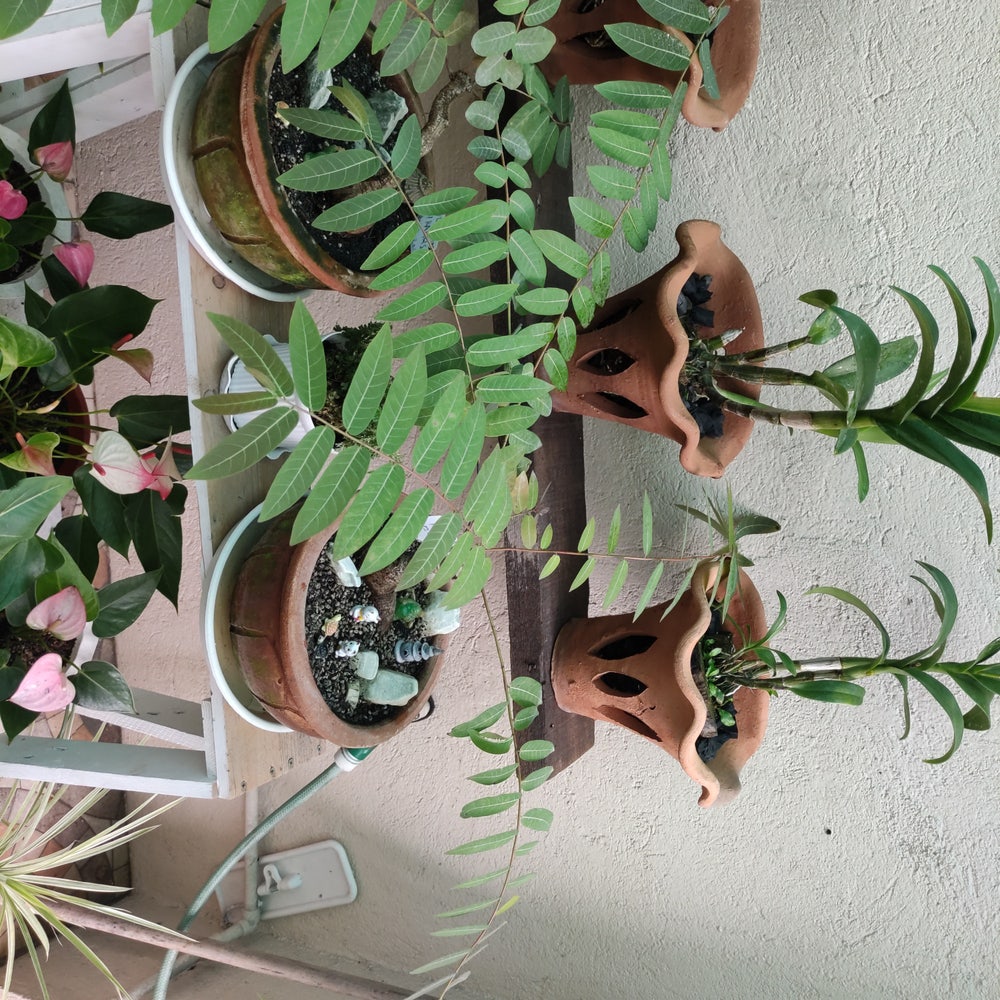
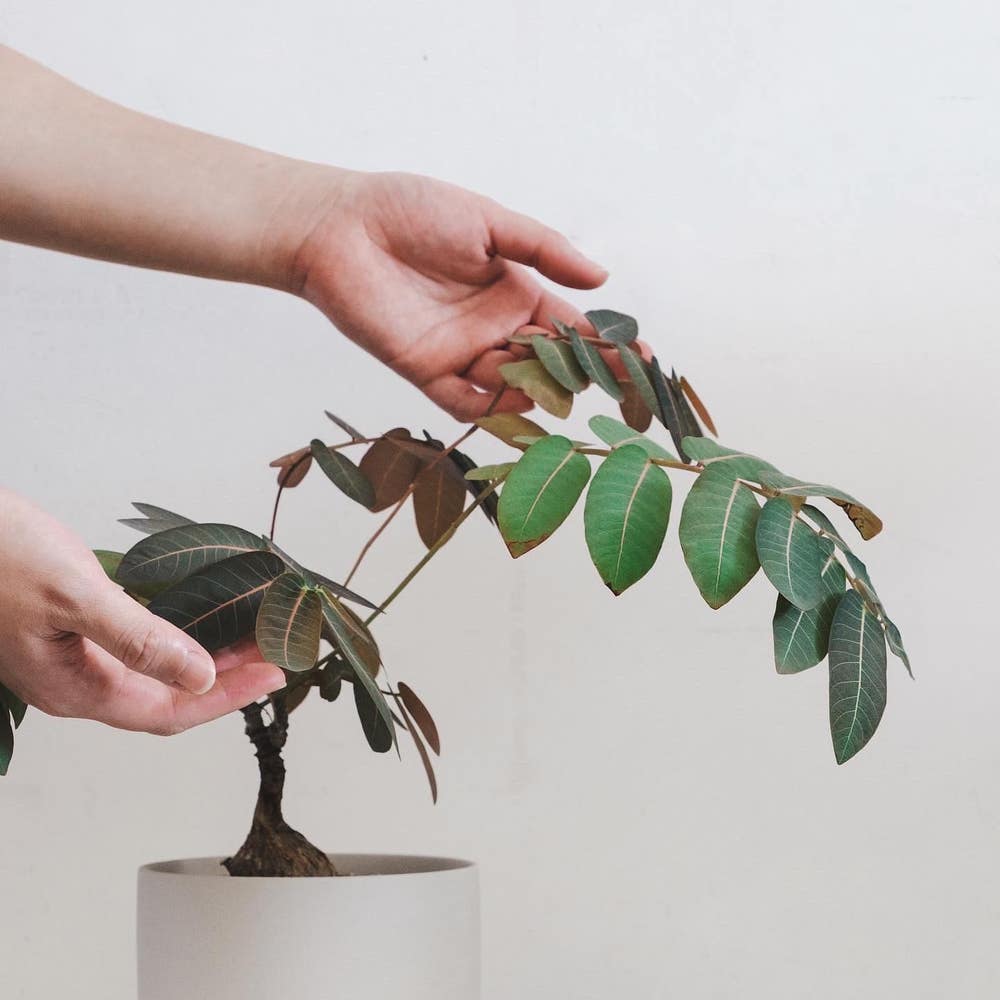
Phyllanthus mirabilis should stand tall and confident, not slouch like it's trying to avoid a conversation. Droopy leaves are your first clue that your green buddy isn't feeling its best. Healthy leaves are perky, with a sort of "I've got this" posture, while troubled leaves look like they're carrying the weight of the world.
⏰ Timing and Progression: When Droopiness Becomes a Concern
It's normal for plants to have off days—maybe a leaf here or there with a bit of a slouch. But when your Phyllanthus mirabilis starts looking like it's consistently hitting the snooze button, it's time to act. Persistent droopiness is a red flag, especially if it's accompanied by other symptoms like yellowing or spots. Keep an eye on the timing; if your plant's leaves don't perk up after your usual care routine, consider it a cry for help.

Top Reasons Your Phyllanthus mirabilis is Letting You Down
💧 Water Woes: Too Much or Too Little
The droop of overindulgence: How overwatering affects leaf posture
Overwatering is the silent killer of Phyllanthus mirabilis. It's a classic case of too much love leading to a waterlogged grave for your plant's roots. The leaves droop, not out of relaxation, but because they're quite literally drowning. Root rot sets in, and the plant's leaves fall over as a distress signal.
The wilt of thirst: Signs of underwatering in your plant
On the flip side, underwatering leaves your plant as parched as a desert wanderer. The leaves lose their vigor, turning into limp flags of surrender. If the top inch of soil is dry, it's a clear green light for watering. Don't wait until your plant looks like it's been through a drought apocalypse.
🌞 Light and Temperature: Finding the Sweet Spot
Stretching out for light: How low light leads to weak stems
Low light makes your Phyllanthus mirabilis reach out like it's trying to catch the last rays of a setting sun. Weak stems and a general look of desperation are the result. Bright, indirect light is the sweet spot; it's like a cozy blanket for your plant, keeping it strong and upright.
Feeling the heat (or chill): Temperature effects on leaf rigidity
Temperature swings are like unexpected plot twists for your plant – not the fun kind. Too hot, and the leaves might as well be in a sauna, wilting away. Too cold, and they stiffen up like they've seen a ghost. Aim for a steady climate, and your plant will thank you with perky leaves.
🍽️ Hungry for Nutrients: A Balanced Diet for Your Plant
Starvation symptoms: Nutrient deficiencies that lead to drooping
Nutrient deficiencies turn your Phyllanthus mirabilis into a sad, droopy mess. It's like it's on a diet that's too extreme. Yellowing leaves can signal a cry for help – a balanced fertilizer is the equivalent of a well-rounded meal. But remember, moderation is key; overfeeding leads to its own set of problems, like the dreaded brown leaf tips.

First Aid for Your Foliage: Quick Fixes for Falling Leaves
💧 Adjusting Your Watering Technique
Check the soil before you water—think of it as a plant's thirst meter. If it's damp, hold off on the H2O. When the top inch feels like a desert, it's time to water. Remember, your plant isn't a fish; it doesn't need to swim.
🌿 Setting Up the Perfect Environment
Light it up
Your Phyllanthus mirabilis isn't a vampire; it craves bright, indirect sunlight. Too much direct sun, and it's a recipe for leaf-fry. Find a spot that's just right, like Goldilocks' porridge.
Keeping it comfy
Temperature consistency is key. Avoid placing your plant next to drafty windows or hot radiators. Think of your plant as a picky guest that prefers a steady, comfortable room temperature.
🌱 Feeding Your Phyllanthus mirabilis
A balanced fertilizer is like a plant protein shake—it's all about the gains. Stick to the recommended dose; overfeeding is as bad as overeating. Watch for signs of improvement, and adjust as needed. Your plant will flex its foliage in thanks.

When to Call for Backup: Seeking Further Help
If your Phyllanthus mirabilis leaves keep falling over despite your best efforts, it's time to seek expert advice.
🕵️♂️ Persistent Problems: When and Where to Find Expert Advice
Even the most attentive plant parents can hit a wall. If your plant's condition doesn't improve, consider consulting a plant pathologist or visiting a plant clinic. These specialists are like detectives, trained to diagnose and treat the most stubborn plant issues. Don't hesitate to tap into the wisdom of local gardening clubs or your neighborhood nursery. They often offer invaluable, hands-on advice that's tailored to your local environment.
📚 Additional Resources: Guides and Forums for Phyllanthus mirabilis Enthusiasts
The internet is a treasure trove of information. Look for online forums and plant care guides dedicated to Phyllanthus mirabilis. Websites like Terrarium Tribe and apps like PictureThis connect you with a community of enthusiasts and experts who can offer guidance. For visual learners, YouTube channels and Instagram accounts focused on plant care can be especially helpful. Remember, sharing your experiences and learning from others is part of the plant parenting journey.
⚠️ Safety First
This content is for general information and may contain errors, omissions, or outdated details. It is not medical, veterinary advice, or an endorsement of therapeutic claims.
Always consult a qualified healthcare professional before using any plant as food, medicine, or supplement.
Never eat any plant (or feed one to pets) without confirming its identity with at least two trusted sources.
If you suspect poisoning, call Poison Control (800) 222-1222, the Pet Poison Helpline (800) 213-6680, or your local emergency service immediately.
Spotted an error? Please report it here.
Revive your Phyllanthus mirabilis and keep it perky 🌿 with Greg's tailored care reminders, ensuring just-right watering, lighting, and a community of fellow plant lovers for support.