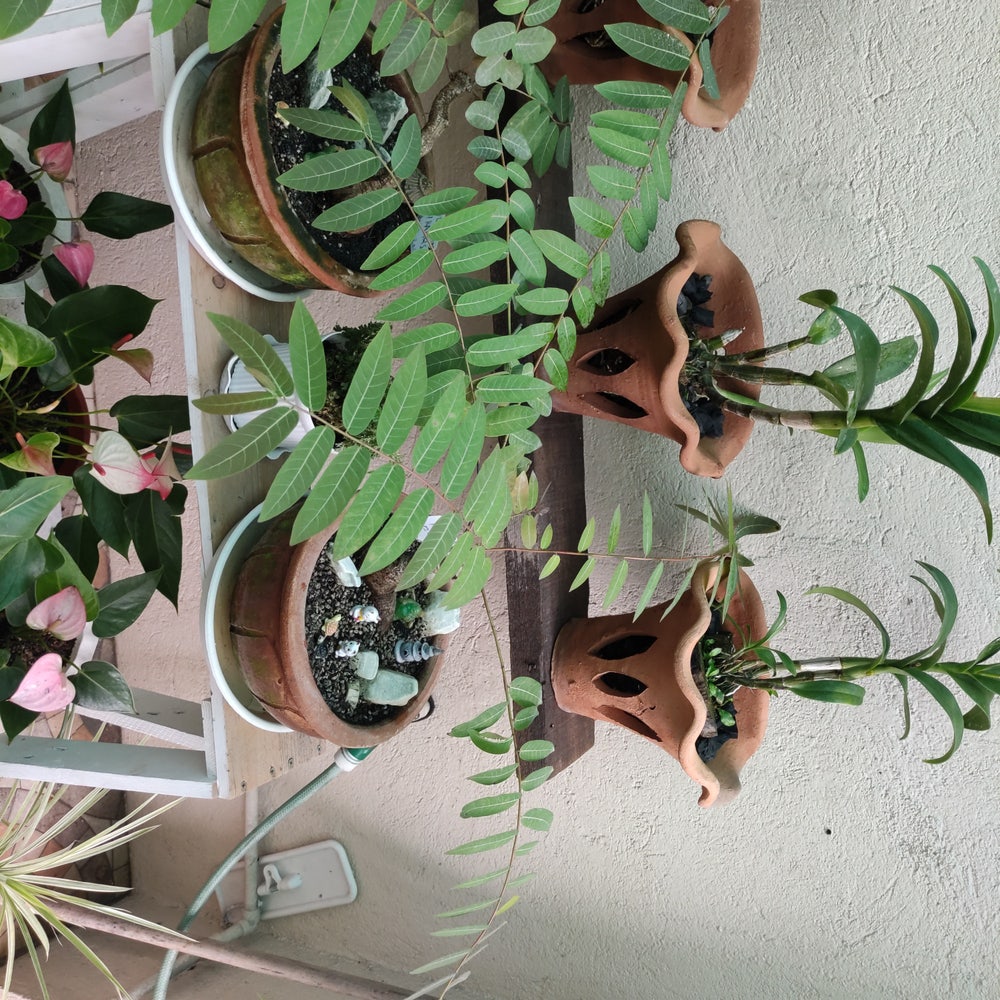
Phyllanthus mirabilis: Not an Invasive Plant
Phyllanthus mirabilis
By the Greg Editorial Team
Sep 30, 2024•4 min read
This article was created with the help of AI so we can cover more plants for you. May contain errors. See one? Report it here.
- 🌱 Phyllanthus mirabilis is non-invasive, making it a safe choice for gardeners.
- 🐝 It enhances biodiversity by attracting pollinators and supporting local wildlife.
- 🌍 Promote sustainability by incorporating this adaptable plant into your garden design.
Plant Classification
🌱 Definition of Invasive Species
Invasive species are plants or animals that thrive in new environments, often at the expense of local flora and fauna. They typically exhibit rapid growth and spread, displacing native species and negatively impacting local ecosystems.
🌼 Why Phyllanthus mirabilis is Not Invasive
Phyllanthus mirabilis stands out as a non-invasive plant due to its unique growth patterns. It primarily spreads through seeds, avoiding aggressive rhizomes or runners that characterize many invasive species.
This plant's spread is also limited by its environmental preferences. It thrives in specific conditions, which curtails its potential to overtake other plants.
Moreover, Phyllanthus mirabilis maintains ecological balance by not outcompeting native plants. It integrates well into local ecosystems without causing disruption, making it a valuable addition to gardens and natural landscapes.
In summary, understanding the classification of invasive species helps clarify why Phyllanthus mirabilis is a safe choice for gardeners. Its growth habits and ecological role contribute positively to biodiversity, paving the way for further exploration of its benefits in garden management.
Growth Habits
Typical Growth Patterns in Gardens 🌱
Phyllanthus mirabilis showcases a bushy appearance, typically reaching heights of 1 to 2 feet. Its ability to thrive in drought and poor soil conditions makes it a remarkably adaptable choice for various garden settings.
Natural Limits to Growth and Spread Potential 🚧
This plant prefers well-drained soils and specific climatic conditions, which naturally limits its growth. In non-ideal environments, its spread is restricted, preventing any risk of overgrowth.
By understanding these growth habits, gardeners can effectively incorporate Phyllanthus mirabilis into their designs while maintaining ecological balance. This adaptability and controlled growth make it a valuable addition to any garden.
Ecological Role
Benefits in Gardens and Ecosystems 🌼
Phyllanthus mirabilis plays a vital role in enhancing garden ecosystems. One of its standout features is its ability to attract pollinators, which boosts biodiversity significantly.
Additionally, this plant provides excellent ground cover. By doing so, it helps reduce soil erosion, ensuring that your garden remains healthy and vibrant.
Positive Interactions with Local Wildlife 🦋
This plant is more than just aesthetically pleasing; it serves as a food source for various insects and birds. Its presence supports beneficial insects, which are crucial for maintaining a balanced ecosystem.
By fostering these interactions, Phyllanthus mirabilis contributes to a thriving garden environment. This not only benefits the local wildlife but also enriches the overall gardening experience.
As we explore the next section on garden management, consider how these ecological benefits can influence your design choices.
Garden Management
Incorporating into Garden Designs 🌿
Phyllanthus mirabilis can add a unique touch to your garden. Use it as a border plant or in mixed beds to create visual interest.
Pairing it with native plants not only enhances biodiversity but also supports local ecosystems. This combination can lead to a vibrant, thriving garden space.
Controlling Growth for Aesthetic Purposes ✂️
To maintain the desired shape and size of Phyllanthus mirabilis, regular pruning is essential. This simple technique keeps your garden looking neat and well-maintained.
Additionally, monitoring seed spread helps prevent unwanted proliferation. With these easy management techniques, you can enjoy the beauty of this plant without it taking over your garden.
Incorporating Phyllanthus mirabilis into your garden design can be both rewarding and manageable. As we explore its ecological role next, you'll discover how it contributes positively to your garden and the surrounding environment.
Legal and Environmental Considerations
🌍 Relevant Classifications and Guidelines
When considering planting Phyllanthus mirabilis, it's essential to check local regulations. Some regions may have specific classifications for this plant, so understanding your area's guidelines is crucial for responsible gardening.
Responsible gardening practices include ensuring that Phyllanthus mirabilis is planted in suitable environments. This helps maintain ecological balance and prevents any unintended consequences in local ecosystems.
🌱 Fit Within Sustainable Gardening Practices
Phyllanthus mirabilis plays a significant role in promoting biodiversity. By incorporating this plant into your garden, you support local ecosystems and contribute to a healthier environment.
Using non-invasive plants like Phyllanthus mirabilis in landscape design encourages ecological balance. This approach not only enhances your garden's beauty but also fosters a thriving habitat for local wildlife.
As you plan your garden, remember that every plant choice matters. Opting for sustainable practices can lead to a more vibrant and resilient ecosystem.
With these considerations in mind, you can confidently integrate Phyllanthus mirabilis into your garden, knowing you're making a positive impact. Next, let’s explore how to effectively manage its growth for aesthetic purposes.
⚠️ Safety First
This content is for general information and may contain errors, omissions, or outdated details. It is not medical, veterinary advice, or an endorsement of therapeutic claims.
Always consult a qualified healthcare professional before using any plant as food, medicine, or supplement.
Never eat any plant (or feed one to pets) without confirming its identity with at least two trusted sources.
If you suspect poisoning, call Poison Control (800) 222-1222, the Pet Poison Helpline (800) 213-6680, or your local emergency service immediately.
Spotted an error? Please report it here.
Boost your garden's biodiversity with Phyllanthus mirabilis 🌼, and let Greg guide you with tailored care tips to ensure this non-invasive beauty flourishes effortlessly!