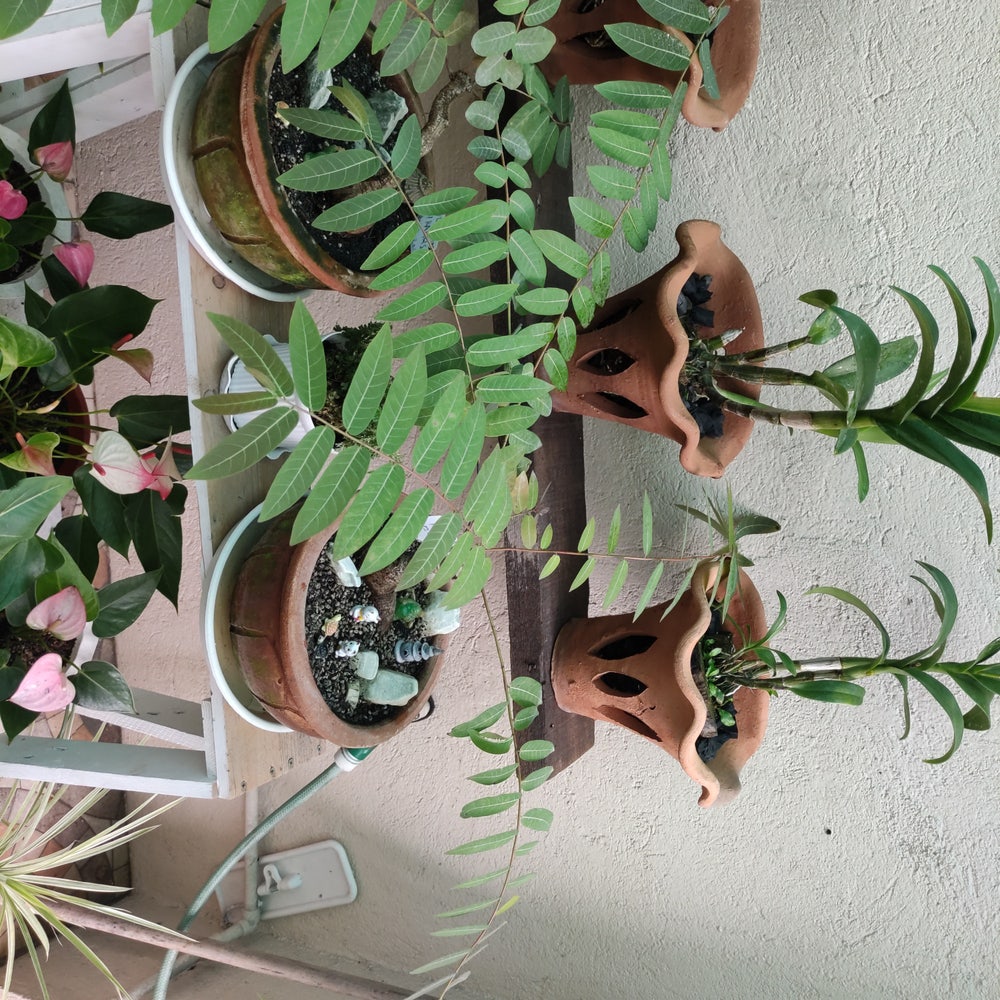
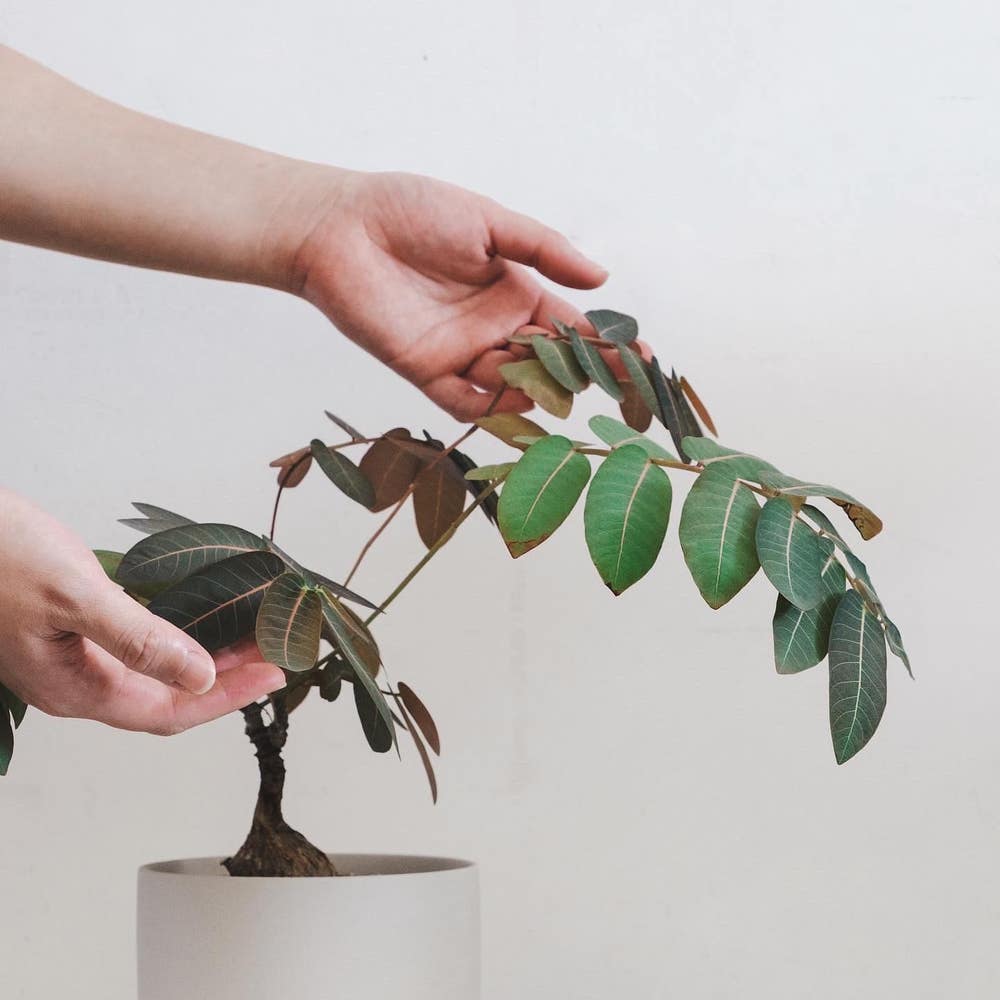
🌞 6 Tips for Growing Phyllanthus mirabilis Outdoors
Phyllanthus mirabilis
By the Greg Editorial Team
Sep 30, 2024•5 min read
This article was created with the help of AI so we can cover more plants for you. May contain errors. See one? Report it here.
- ☀️🌿 Phyllanthus mirabilis needs 4-6 hours of sunlight for optimal growth.
- 💧🪴 Keep soil consistently moist but avoid waterlogging to prevent yellowing leaves.
- 🌱🔍 Use well-draining, organic-rich soil with pH 6.0-7.5 for best results.
Outdoor Care Requirements
🌞 Sunlight Needs and Optimal Exposure
Phyllanthus mirabilis thrives in full sun to partial shade, requiring about 4-6 hours of direct sunlight daily. Insufficient sunlight can lead to stunted growth and fewer flowers, so ensure your plant gets the light it craves.
💧 Watering Requirements and Frequency
To keep your Phyllanthus happy, maintain consistently moist soil without letting it become waterlogged. Watch for yellowing leaves, which indicate overwatering, or wilting, a sign of underwatering.
🌱 Soil Preferences and Amendments
This plant prefers well-draining soil enriched with organic matter. Aim for a soil pH between 6.0 and 7.5, and consider adding compost or well-rotted manure to boost fertility.
🌿 Fertilization Schedule and Types of Fertilizers
Fertilize your Phyllanthus every 4-6 weeks during the growing season to promote healthy growth. Use a balanced NPK fertilizer (10-10-10) or opt for organic options to nourish your plant effectively.
By following these outdoor care requirements, you'll set a solid foundation for your Phyllanthus mirabilis to flourish. Next, let's explore the various planting options available for your gardening space.
Planting Options
Benefits and Drawbacks of Container Gardening 🌱
Container gardening offers incredible flexibility. You can easily move your Phyllanthus mirabilis to optimize sunlight exposure or protect it from harsh weather.
However, limited root space can hinder growth. This means you'll need to water and fertilize more frequently to keep your plants thriving.
Benefits and Drawbacks of In-Ground Planting 🌍
In-ground planting provides ample space for root expansion, promoting healthier growth. Your plants can establish a robust network, which is essential for their overall vitality.
On the downside, you have less control over soil quality and drainage. While the soil retains moisture better, it can also expose your plants to pests and diseases lurking in the garden.
Choosing the Right Option for Your Space 🏡
When deciding between container and in-ground planting, consider several factors. Evaluate your available space, local climate, and your personal gardening style to make the best choice for your Phyllanthus.
Each option has its unique advantages and challenges, so weigh them carefully. This thoughtful approach will set you up for success as you nurture your plants.
Next, let’s explore how to protect your Phyllanthus from environmental factors.
Protection from Environmental Factors
🌧️ Weather Protection Strategies
Protecting your Phyllanthus mirabilis from harsh weather is crucial for its health. For frost protection, consider mulching, covering with cloth, or moving pots indoors to shield them from cold temperatures.
During extreme heat, using shade cloth can be a game changer. It effectively reduces sun exposure during peak hours, helping your plants thrive even in sweltering conditions.
🐞 Pest Management
Pests can be a real headache for your Phyllanthus. Common culprits include aphids, spider mites, and whiteflies, which can wreak havoc if left unchecked.
To combat these pests, consider using neem oil or insecticidal soap. Introducing beneficial insects, like ladybugs, can also help maintain a healthy balance in your garden.
🦠 Disease Prevention
Keeping your plants disease-free is essential for robust growth. Root rot and powdery mildew are two common diseases that can affect Phyllanthus.
To prevent these issues, focus on proper watering techniques and ensure good air circulation around your plants. This simple approach can make a significant difference in maintaining plant health.
With the right strategies in place, your Phyllanthus can flourish despite environmental challenges. Next, let’s explore how seasonal changes impact care routines and what adjustments you can make throughout the year.
Seasonal Care
Seasonal Changes and Their Impact on Care 🌦️
Seasonal changes significantly influence the growth and care routines of Phyllanthus mirabilis. As temperatures fluctuate, so do the plant's needs for water, nutrients, and protection.
Winter Care Tips ❄️
During winter, protecting your plants from frost is crucial. Insulation methods like mulching or moving pots indoors can safeguard them from harsh conditions.
Adjust your watering frequency during dormancy, as the plant requires less moisture. This helps prevent root rot and keeps the plant healthy.
Spring Growth and Fertilization Adjustments 🌱
Spring brings signs of new growth, such as leaf unfurling and flower buds appearing. This is the perfect time to transition to a higher nitrogen fertilizer to support vigorous growth.
Summer Watering and Heat Management ☀️
As temperatures rise, you'll need to increase your watering frequency. Regularly monitor soil moisture levels to ensure your Phyllanthus stays hydrated.
Implement heat management strategies, such as mulching and providing shade during peak sun hours. This helps prevent stress on the plant.
Fall Preparation for Colder Months 🍂
As fall approaches, prepare your Phyllanthus for dormancy by reducing watering and ceasing fertilization. This signals the plant to slow down its growth.
Finally, conduct a thorough check for pests and diseases before winter sets in. This proactive approach ensures your plant remains healthy through the colder months.
With these seasonal care tips, you'll be well-equipped to nurture your Phyllanthus mirabilis year-round. Next, let's explore climate zone considerations to further optimize your gardening efforts.
Climate Zone Considerations
🌍 Identifying Suitable Climate Zones
Phyllanthus mirabilis thrives best in USDA hardiness zones 10-11. These zones offer warm temperatures and high humidity, creating an ideal environment for robust growth.
🌦️ Special Considerations for Different Climates
If you're in a cooler climate, consider using containers to allow for mobility and indoor care during colder months. For arid climates, increase your watering frequency and manage humidity levels to keep your plants healthy.
🌱 Tips for Growing in Less-Than-Ideal Conditions
Improving soil quality and drainage can make a significant difference in less-than-ideal conditions. Additionally, utilizing microclimates in your garden can help create pockets of better growth, allowing your Phyllanthus to flourish even when the overall environment isn't perfect.
Understanding these climate considerations will set you on the right path for successful outdoor gardening. Next, let’s explore how to protect your plants from environmental factors.
⚠️ Safety First
This content is for general information and may contain errors, omissions, or outdated details. It is not medical, veterinary advice, or an endorsement of therapeutic claims.
Always consult a qualified healthcare professional before using any plant as food, medicine, or supplement.
Never eat any plant (or feed one to pets) without confirming its identity with at least two trusted sources.
If you suspect poisoning, call Poison Control (800) 222-1222, the Pet Poison Helpline (800) 213-6680, or your local emergency service immediately.
Spotted an error? Please report it here.
Grow your Phyllanthus mirabilis like a pro 🌱 with Greg's personalized watering alerts and expert tips to keep your plants thriving outdoors!