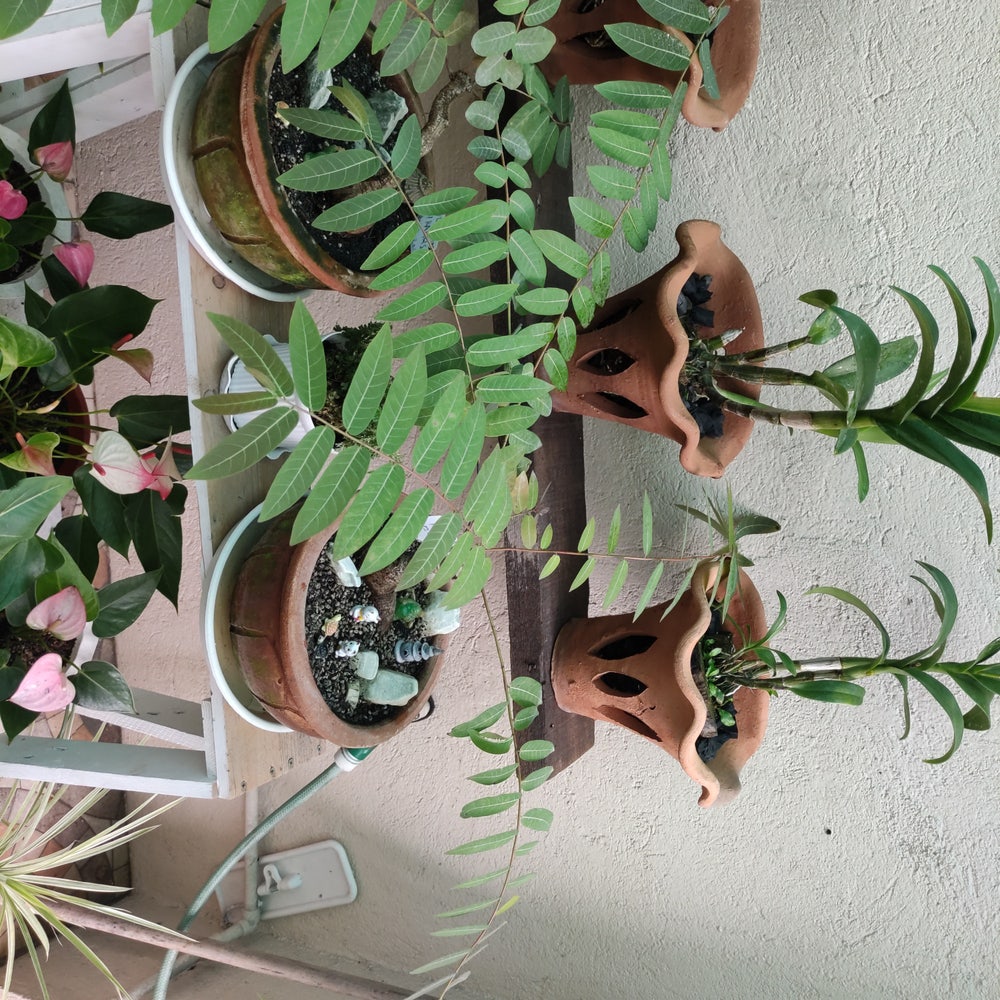
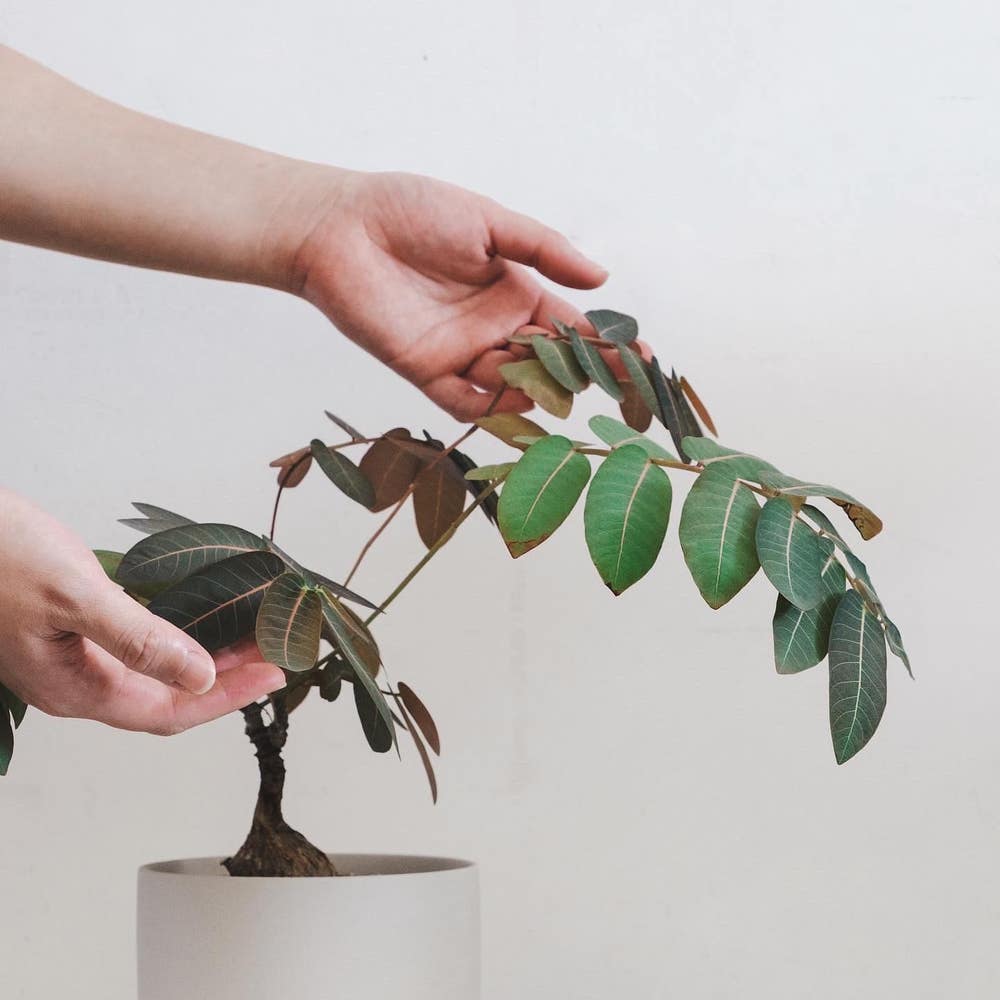
What It Means When Your Phyllanthus mirabilis Wilts 💧
Phyllanthus mirabilis
By the Greg Editorial Team
Sep 30, 2024•5 min read
This article was created with the help of AI so we can cover more plants for you. May contain errors. See one? Report it here.
- 💧 Wilting in Phyllanthus mirabilis often signals water stress from inconsistent watering.
- 🌞 Heat stress causes yellowing and wilting; relocate to shade during peak sunlight.
- 🌱 Monitor soil moisture regularly to prevent overwatering or underwatering issues.
Common Causes of Wilting Leaves
💧 Water Stress
Wilting leaves can often signal water stress in your Phyllanthus mirabilis. Look for drooping leaves, dry soil, and curling foliage as key symptoms.
Inconsistent watering practices are usually to blame. Whether it’s overwatering or underwatering, both extremes can lead to unhappy plants.
🔥 Heat Stress
Heat stress is another common culprit behind wilting. Symptoms include leaves turning yellow or brown and wilting during the hottest parts of the day.
This stress typically arises from prolonged exposure to high temperatures or direct sunlight. If your plant is baking in the sun, it’s time to take action.
🌍 Environmental Sensitivity
Understanding your plant's native habitat can shed light on its sensitivity to environmental changes. Phyllanthus mirabilis thrives in specific conditions, and deviations in water and light can lead to wilting.
Being mindful of these factors can help you create a more suitable environment for your plant. Adjustments in care can make a world of difference in keeping your plant healthy and vibrant.
With these common causes in mind, you can better diagnose and address wilting issues. Next, let’s explore how to effectively diagnose wilting in your plant.
Diagnosing Wilting
Step-by-Step Guide to Diagnose Wilting 🌱
Diagnosing wilting in your Phyllanthus mirabilis starts with assessing soil moisture. Check if the soil feels too dry or waterlogged, as both extremes can lead to wilting.
Next, evaluate environmental conditions. Measure the temperature and humidity levels to ensure they align with the plant's needs.
Inspect the leaves for any discoloration, spots, or signs of pests. Healthy leaves should be vibrant and free from blemishes.
Finally, check for root health. Gently remove the plant from its pot to inspect the roots for any signs of rot or damage.
Signs to Look For 👀
Pay attention to leaf texture. Soft or crispy leaves can indicate stress.
Color changes are also crucial. Yellowing or browning leaves often signal underlying issues.
Observe growth patterns as well. Stunted growth or abnormal leaf formation can be red flags that something isn't right.
By following these steps, you can effectively diagnose the cause of wilting and take appropriate action. Understanding these signs will empower you to nurture your plant back to health.
Next, let’s explore actionable solutions to address the wilting issues you’ve identified.
Solutions for Wilting
💧 Actionable Advice for Water Stress
Adjusting your watering schedule is crucial. Water your Phyllanthus mirabilis when the top inch of soil feels dry to the touch.
Implementing bottom watering can also be beneficial. Soak the pot in water for about 30 minutes, allowing the roots to absorb moisture effectively.
🌡️ Actionable Advice for Heat Stress
If your plant is wilting due to heat, consider relocating it. Move it to a shadier spot during peak heat hours to protect it from direct sunlight.
Increasing humidity can also help. Use a humidity tray or mist the leaves regularly to create a more favorable environment.
🦠 Actionable Advice for Disease-Related Wilting
For disease-related issues, start by removing affected roots. Trim away any dark or mushy roots to prevent the spread of disease.
Repotting in fresh, well-draining soil is essential. This helps ensure your plant has the best chance of recovery and prevents further issues.
By following these actionable solutions, you can help your Phyllanthus mirabilis bounce back from wilting. Next, let’s explore preventive measures to keep your plant thriving.
Preventive Measures
🌿 Environmental Adjustments
Maintaining consistent humidity levels is crucial for the health of your Phyllanthus mirabilis. Consider using a humidifier or a pebble tray filled with water to create a more stable environment.
Sudden temperature changes can stress your plant. Keep it away from drafts or heating vents to ensure it thrives in a comfortable climate.
🔍 Regular Monitoring and Care
Regular checks can make a world of difference. Schedule weekly assessments for soil moisture and overall plant health to catch any issues before they escalate.
By staying proactive, you can help your plant flourish and avoid the common pitfalls that lead to wilting. This simple routine not only enhances your plant's vitality but also deepens your connection with it.
As you implement these preventive measures, you'll be better equipped to enjoy a thriving Phyllanthus mirabilis. Next, let’s explore when it’s time to seek expert help for your plant care challenges.
When to Seek Help
🆘 Signs That Require Expert Assistance
If your Phyllanthus mirabilis continues to wilt despite your best care efforts, it may be time to seek help. Persistent wilting can indicate deeper issues that need professional attention.
Look out for signs of severe disease or pest infestation. If you notice unusual spots, mold, or pests on the leaves, don’t hesitate to reach out for assistance.
📚 Resources
Local nurseries can be a great resource for expert advice on plant health. They often have knowledgeable staff who can provide tailored recommendations.
Additionally, engaging with online communities like Greg can offer valuable support and tips from fellow plant enthusiasts. Sharing your experiences can lead to helpful insights and solutions.
⚠️ Safety First
This content is for general information and may contain errors, omissions, or outdated details. It is not medical, veterinary advice, or an endorsement of therapeutic claims.
Always consult a qualified healthcare professional before using any plant as food, medicine, or supplement.
Never eat any plant (or feed one to pets) without confirming its identity with at least two trusted sources.
If you suspect poisoning, call Poison Control (800) 222-1222, the Pet Poison Helpline (800) 213-6680, or your local emergency service immediately.
Spotted an error? Please report it here.
Revive your wilting Phyllanthus mirabilis with Greg's tailored watering alerts 🌿, ensuring it gets the hydration it craves while connecting with a community of plant lovers for extra support!