🌱 Top 4 Companion Ideas for a Thriving Phyllanthus mirabilis
Phyllanthus mirabilis
By the Greg Editorial Team
Sep 30, 2024•5 min read
This article was created with the help of AI so we can cover more plants for you. May contain errors. See one? Report it here.
- 🌼 Marigolds repel pests like nematodes and aphids, protecting Phyllanthus mirabilis.
- 🌿 Basil reduces flies and mosquitoes, enhancing both flavor and plant health.
- 🎨 Nasturtiums attract aphids away, adding color and edibility to your garden.
Best Companion Plants
🌼 Plant 1: Marigold
Marigolds burst with bright yellow and orange flowers, making them a vibrant addition to any garden. These flowers are not just pretty; they are renowned for their pest-repellent properties.
Marigolds thrive in full sun and well-draining soil, requiring moderate watering to flourish. They are particularly effective at deterring nematodes and aphids, which helps protect your Phyllanthus mirabilis.
Additionally, marigolds attract pollinators, enhancing the overall health of your garden. Their presence can create a lively ecosystem that benefits all plants involved.
🌿 Plant 2: Basil
Basil is an aromatic herb that brings lush green leaves and a delightful fragrance to your garden. Known for its culinary uses, this herb also plays a crucial role in pest management.
It prefers warm temperatures and well-drained soil, needing regular watering to stay healthy. Basil is effective at repelling flies and mosquitoes, which helps reduce pest pressure on Phyllanthus mirabilis.
Moreover, its unique growth habit adds diversity to your garden. The fragrance of basil can also create a sensory experience that enhances your gardening journey.
🌸 Plant 3: Nasturtium
Nasturtiums are a feast for the eyes with their vibrant flowers and edible leaves. Known for their peppery flavor, they are not just ornamental but also functional.
These plants thrive in poor soil and full sun, becoming drought-tolerant once established. Nasturtiums act as a trap crop for aphids, drawing them away from Phyllanthus mirabilis.
Their colorful blooms and sprawling growth habit add visual appeal to your garden. This makes them a perfect companion, combining beauty and utility.
🌟 Plant 4: Borage
Borage is an herb that features stunning star-shaped blue flowers, attracting a variety of pollinators. This plant is essential for creating a balanced ecosystem in your garden.
It prefers well-drained soil and full sun, requiring moderate watering to thrive. Borage attracts beneficial insects like bees and predatory wasps, enhancing pest management around Phyllanthus mirabilis.
Additionally, its deep root system improves soil health, benefiting neighboring plants. This makes borage a powerhouse companion in your garden.
These companion plants not only enhance the health of your Phyllanthus mirabilis but also contribute to a vibrant and diverse garden ecosystem. Next, we’ll explore how these plants can help with pest management.
Pest Management
🌱 How Companion Plants Can Deter Pests
Companion plants play a crucial role in pest management by creating a protective barrier around your Phyllanthus mirabilis. They can either repel harmful insects or attract beneficial ones, fostering a healthier garden ecosystem.
🛡️ Specific Pest-Repellent Properties
Marigold
Marigolds are not just pretty flowers; they actively deter nematodes and aphids. Their vibrant blooms serve as a natural shield for your Phyllanthus mirabilis.
Basil
This aromatic herb does more than spice up your dishes. Basil repels flies and mosquitoes, reducing pest pressure on your plants.
Nasturtium
Nasturtiums are a gardener's secret weapon. They draw aphids away from Phyllanthus mirabilis, acting as a trap crop that protects your prized plant.
Borage
With its star-shaped blue flowers, borage attracts pollinators and predatory insects. This not only enhances pest management but also boosts the overall health of your garden.
By strategically incorporating these companion plants, you can create a thriving environment for your Phyllanthus mirabilis while keeping pests at bay. This proactive approach not only protects your plants but also enriches the biodiversity of your garden.
Next, let’s explore how these companion plants can enhance the visual appeal of your garden.
Visual Appeal
🎨 Color and Texture Combinations
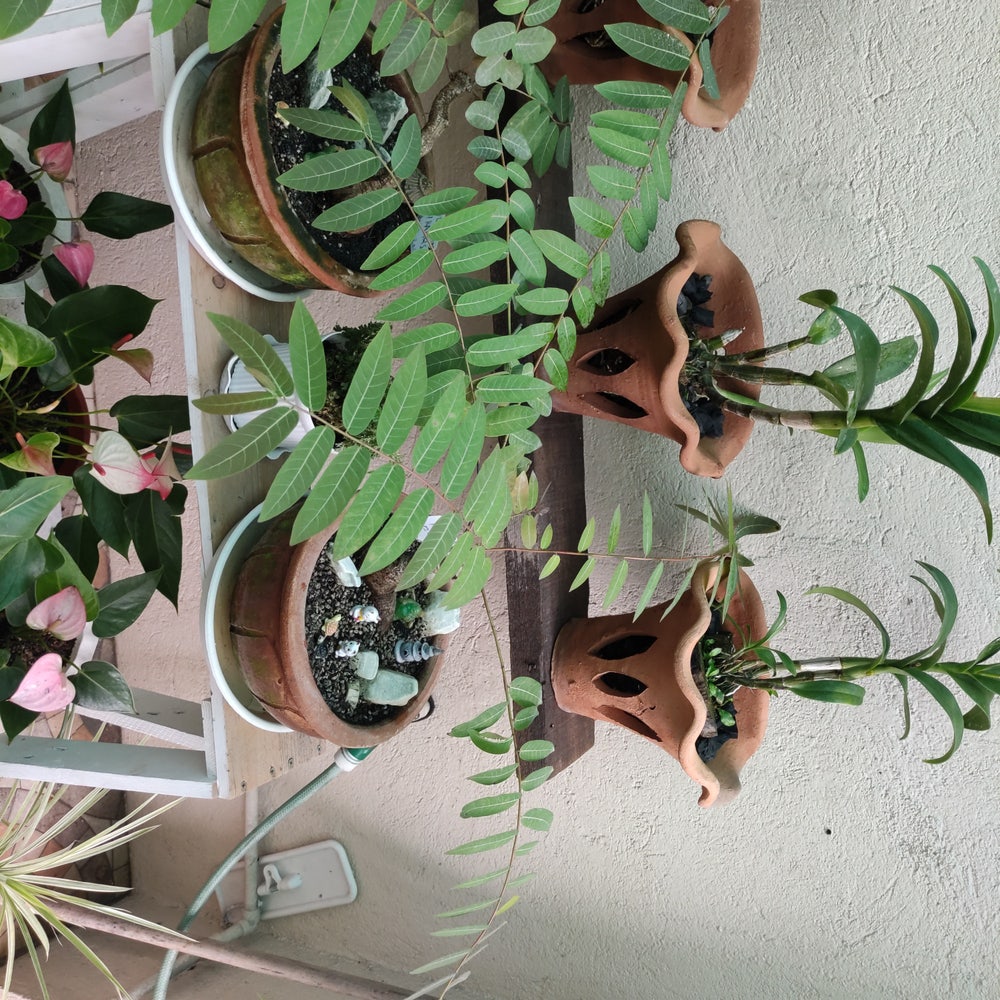
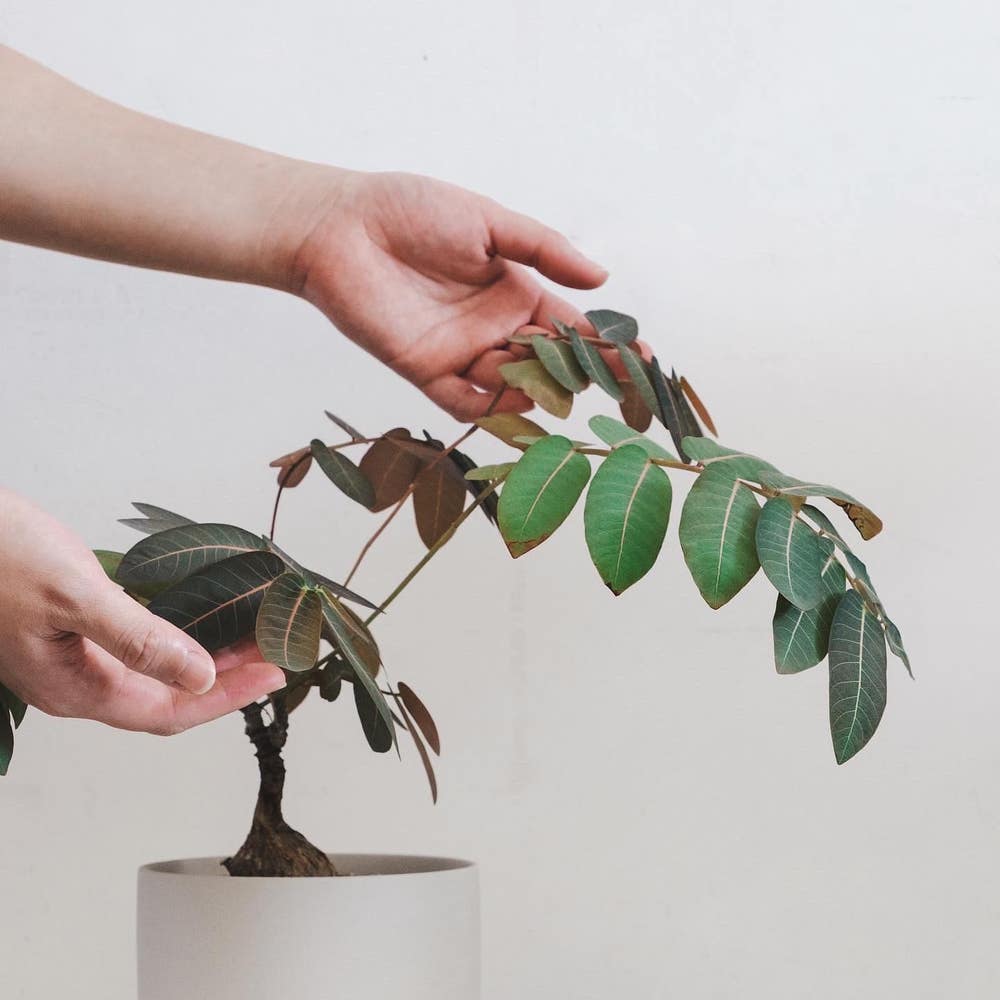
The bushy appearance and small leaves of Phyllanthus mirabilis create a stunning backdrop for vibrant companion plants. Their lush greenery beautifully contrasts with the bright hues of marigolds, nasturtiums, and borage, making your garden visually striking.
🌼 Enhancing Garden Aesthetics
Selecting plants with varying heights and textures is crucial for a dynamic garden design. Taller plants like borage can provide vertical interest, while the sprawling nasturtium adds a soft touch.
To create a cohesive look, consider grouping plants with complementary colors. For instance, pairing the yellow of marigolds with the deep blue of borage can create a captivating visual effect.
Additionally, think about the layout. Arrange your plants in layers, with shorter varieties in the front and taller ones in the back. This not only enhances aesthetics but also ensures that each plant receives adequate sunlight.
By thoughtfully combining colors and textures, you can highlight the unique beauty of Phyllanthus mirabilis while fostering a vibrant ecosystem in your garden.
Next, let’s explore how to manage pests effectively using companion planting strategies.
Plants to Avoid
🚫 Incompatible Plants
When planning your garden, it's crucial to know which plants to steer clear of. Certain legumes, like peas and beans, as well as nightshades such as tomatoes and potatoes, can be detrimental companions for Phyllanthus mirabilis.
❌ Reasons for Incompatibility
These plants often compete for nutrients and water, which can stress your Phyllanthus mirabilis. Additionally, they may attract pests that pose a threat to its health.
Moreover, some plants exhibit allelopathy, releasing chemicals that inhibit the growth of nearby plants. This can stifle the thriving environment you want for your Phyllanthus mirabilis.
By avoiding these incompatible plants, you can create a more harmonious garden space. This will help ensure that your Phyllanthus mirabilis flourishes alongside its beneficial companions.
Next, let’s explore how to enhance your garden’s visual appeal with thoughtful plant combinations.
⚠️ Safety First
This content is for general information and may contain errors, omissions, or outdated details. It is not medical, veterinary advice, or an endorsement of therapeutic claims.
Always consult a qualified healthcare professional before using any plant as food, medicine, or supplement.
Never eat any plant (or feed one to pets) without confirming its identity with at least two trusted sources.
If you suspect poisoning, call Poison Control (800) 222-1222, the Pet Poison Helpline (800) 213-6680, or your local emergency service immediately.
Spotted an error? Please report it here.
Boost your garden's health and beauty 🌿 by pairing Phyllanthus mirabilis with marigolds and basil, while Greg's tailored care reminders ensure your plants thrive together effortlessly!