🔍 Determining What Might Be Eating Your Phyllanthus mirabilis
Phyllanthus mirabilis
By the Greg Editorial Team
Sep 30, 2024•8 min read
This article was created with the help of AI so we can cover more plants for you. May contain errors. See one? Report it here.
- 🌱 Phyllanthus mirabilis attracts herbivores like deer, rabbits, and squirrels; protect it wisely.
- 🦌 Deter deer and rabbits with fences and organic repellents for healthier plants.
- 🐦 Birds can harm seeds and fruits; use netting and reflective objects for protection.
Description and Appeal
Appearance and Attractive Parts 🌿
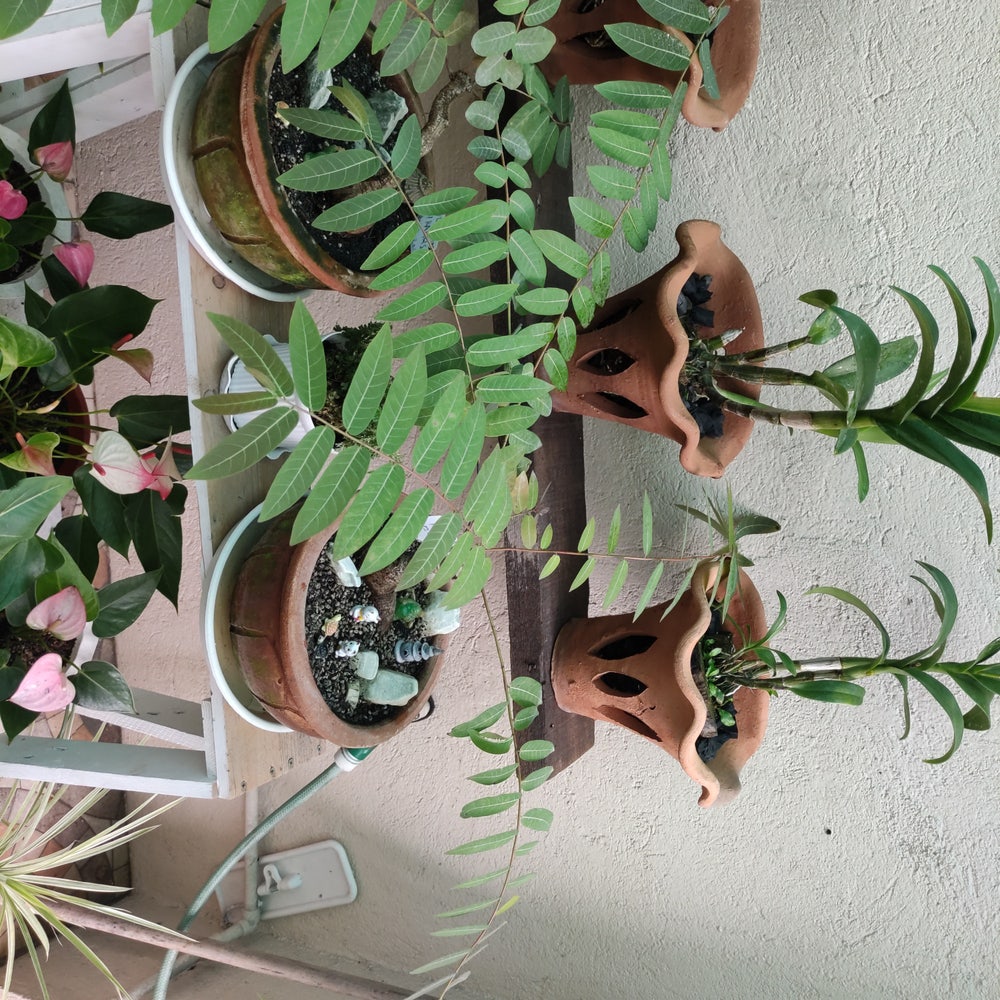
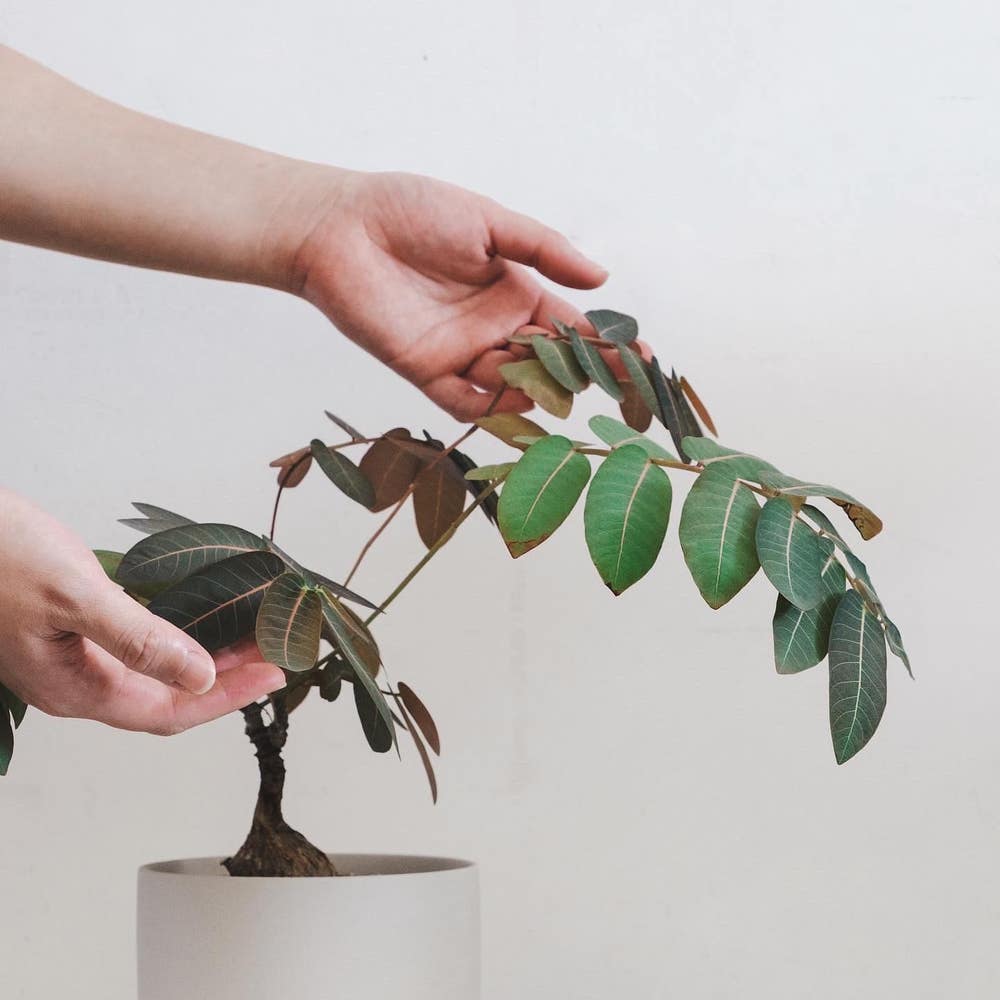
Phyllanthus mirabilis is a perennial that stands out in any garden. With a height that can reach up to three feet, its lush green leaves are shaped like small ovals, creating a vibrant backdrop.
The plant showcases small greenish flowers that bloom in clusters, adding a delicate touch to its overall appearance. The foliage is not just attractive; it also plays a crucial role in the plant's appeal, providing a rich, textured look.
Among its most captivating features are the fruits, flowers, and young shoots. The fruits are particularly eye-catching, often drawing attention with their unique shapes and colors. Meanwhile, the young shoots offer a fresh, tender look that invites curiosity and admiration.
This combination of height, leaf shape, and color makes Phyllanthus mirabilis a standout choice for gardeners looking to add both beauty and interest to their landscapes.
As we explore the common herbivores that might threaten this stunning plant, understanding its appeal can help us appreciate the importance of protecting it.
Common Herbivores
🦌 Deer
Signs of presence
Deer can be sneaky visitors in your garden. Look for hoof prints in the soil and distinctive droppings, which are usually pellet-shaped and dark.
Type of damage
When deer browse, they leave behind telltale signs. You'll notice ragged edges on leaves, often stripped down to the midrib.
Interaction impact
Deer can be generally harmful to your plants. Their feeding habits can stunt growth and weaken overall plant health.
Deterrent methods
To keep deer at bay, consider fencing your garden. A height of at least 8 feet is recommended, using sturdy materials like wire or wood.
You can also use repellents, both chemical and organic. Sprays made from garlic or hot pepper can be effective in deterring these large herbivores.
🐇 Rabbits
Signs of presence
Rabbits leave their mark with chewed stems and droppings that resemble small black pellets. Look for these signs, especially near young shoots.
Type of damage
Rabbits love to gnaw on tender young shoots. This can severely affect the plant's growth and overall vigor.
Interaction impact
The impact of rabbits is generally harmful. Their constant nibbling can lead to stunted plants and reduced yields.
Deterrent methods
Netting is an easy and effective way to protect your plants from rabbits. Install it securely around vulnerable areas to keep them out.
You can also create organic repellents at home using ingredients like cayenne pepper or vinegar. These can help deter rabbits naturally.
🐿️ Squirrels
Signs of presence
Squirrels often leave behind chewed fruits and nests in trees or shrubs. Look for signs of their habitation nearby.
Type of damage
These critters are notorious for fruit theft and bark stripping. They can cause significant damage to both fruits and the plant itself.
Interaction impact
Squirrels can be generally harmful as they compete for resources. Their presence can lead to reduced fruit yields.
Deterrent methods
To scare squirrels away, use reflective objects like aluminum foil or old CDs. These shiny items can deter them effectively.
Humane traps are another option. Place them strategically to catch and relocate squirrels without harm.
🐦 Birds
Signs of presence
Birds can be spotted by pecked fruits and nests in nearby trees. Their activity can be quite noticeable during the growing season.
Type of damage
Birds often eat seeds and fruits, leading to significant losses. Look for holes and missing fruit as signs of their feasting.
Interaction impact
Birds have mixed interactions with gardens. While some help with pollination, others can be pests that damage your plants.
Deterrent methods
Netting is a simple way to protect your fruits from birds. Ensure it’s tightly secured to prevent access.
Reflective objects can also work wonders. Hanging shiny items can discourage birds from invading your garden.
🐭 Rodents (mice, voles)
Signs of presence
Rodents leave behind tunnels and droppings that are small and dark. Look for these signs, especially in the soil around your plants.
Type of damage
These pests can cause root damage and gnawing on stems. This can severely impact the health of your plants.
Interaction impact
Rodents are generally harmful to your garden. Their activities can lead to weakened plants and reduced yields.
Deterrent methods
Traps are an effective way to manage rodent populations. Use snap traps or live traps, placing them near signs of activity.
Habitat modification is also crucial. Keep your garden tidy and remove debris to reduce rodent attraction.
🦡 Groundhogs/Woodchucks
Signs of presence
Groundhogs leave behind burrows and chewed plants. Look for large holes in the ground and signs of extensive nibbling.
Type of damage
These animals can cause extensive plant destruction. Their feeding can devastate entire sections of your garden.
Interaction impact
Groundhogs are generally harmful, with significant damage potential. Their presence can lead to major losses in your garden.
Deterrent methods
Fencing is a reliable method to keep groundhogs out. A height of at least 3 feet, buried a foot underground, is recommended.
Repellents can also be effective. Consider using commercial options or homemade solutions to deter these pests.
As you navigate the challenges posed by these common herbivores, remember that understanding their behavior is key to protecting your Phyllanthus mirabilis. Next, we’ll explore the beneficial animals and insects that can enhance your garden ecosystem.
Beneficial Animals and Insects
Positive Impacts 🐝
When it comes to your Phyllanthus mirabilis, not all visitors are foes. Pollinators like bees and butterflies are crucial for the plant's reproductive success, ensuring vibrant blooms and healthy fruit production.
Predatory insects, such as ladybugs and lacewings, play a vital role in keeping pest populations in check. They feast on aphids and other harmful insects, creating a balanced ecosystem in your garden.
Importance of Pollination and Pest Control 🌼
The interplay between pollinators and predatory insects is essential for a thriving garden. Pollination boosts fruit yield, while natural pest control reduces the need for chemical interventions, promoting a healthier environment.
By fostering a habitat that attracts these beneficial creatures, you enhance not only the health of your Phyllanthus mirabilis but also the overall vitality of your garden.
This synergy between plants and wildlife creates a flourishing ecosystem, making your gardening efforts more rewarding. As you cultivate your space, consider how these allies contribute to your garden's success.
Next, let’s explore some effective protection strategies to safeguard your plants from potential threats.
Protection Strategies
🛡️ Preventive Measures
Plant Placement
Strategic positioning of your Phyllanthus mirabilis can make a significant difference. Consider placing it in areas less frequented by common herbivores, such as near taller plants or structures that provide natural barriers.
Companion Planting
Pairing your plant with certain companions can deter herbivores effectively. For instance, planting marigolds nearby can repel rabbits and other pests, creating a more secure environment for your Phyllanthus.
⚠️ Reactive Solutions
Monitoring
Regular checks for signs of animal presence are crucial. Look for droppings, chewed leaves, or other indicators that might suggest an herbivore is nearby.
Immediate Action
If you discover damage, act quickly to mitigate further harm. This could involve applying repellents or setting up barriers to protect your plants from additional threats.
By implementing these strategies, you can create a more resilient garden that thrives despite potential herbivore challenges. Next, let’s explore seasonal considerations that can further enhance your protective measures.
Seasonal Considerations
🌱 Variations in Attraction
Understanding the seasonal patterns of herbivore activity is crucial for protecting your Phyllanthus mirabilis. As the weather warms, many herbivores become more active, seeking out tender new growth.
During spring, young shoots are particularly vulnerable. This is when many animals, like rabbits and deer, are on the lookout for fresh greens to munch on.
🐾 Plant Vulnerability
The growth phases of your plant also play a significant role in attracting herbivores. When Phyllanthus mirabilis is in bloom, its flowers can draw in not just pollinators but also pests looking for a snack.
As the fruits develop, they become prime targets for squirrels and birds. Keeping an eye on these growth stages can help you anticipate and mitigate potential damage.
By being aware of these seasonal dynamics, you can take proactive measures to safeguard your plants. This knowledge empowers you to create a thriving garden ecosystem, where your Phyllanthus mirabilis can flourish despite the challenges posed by hungry visitors.
Next, let’s explore the toxic effects of this plant and how they influence interactions with herbivores.
Toxic Effects
Discussion of Toxicity 🧪
Phyllanthus mirabilis contains several compounds that can deter herbivores. These compounds, while not extensively studied, are believed to contribute to the plant's resilience against common garden pests.
The presence of these toxins can have significant implications for herbivore interactions. Many animals may avoid feeding on the plant, which can help maintain its health and vitality in the garden ecosystem.
However, this toxicity can also create a delicate balance. While some herbivores might steer clear, others may not be affected, leading to unexpected damage. Understanding these dynamics is crucial for gardeners looking to protect their plants effectively.
Incorporating this knowledge into your gardening practices can enhance your strategy against unwanted visitors. By recognizing the role of toxicity, you can better appreciate the intricate relationships within your garden.
As you consider these factors, remember that a healthy ecosystem thrives on balance. The interplay between toxic compounds and herbivore behavior is just one piece of the puzzle.
Next, let’s explore some effective protection strategies to safeguard your Phyllanthus mirabilis from potential threats.
⚠️ Safety First
This content is for general information and may contain errors, omissions, or outdated details. It is not medical, veterinary advice, or an endorsement of therapeutic claims.
Always consult a qualified healthcare professional before using any plant as food, medicine, or supplement.
Never eat any plant (or feed one to pets) without confirming its identity with at least two trusted sources.
If you suspect poisoning, call Poison Control (800) 222-1222, the Pet Poison Helpline (800) 213-6680, or your local emergency service immediately.
Spotted an error? Please report it here.
Safeguard your Phyllanthus mirabilis from pesky herbivores like deer and rabbits with Greg's personalized reminders and community insights, ensuring your garden flourishes beautifully! 🛡️🌿