Top 8 Pot Features Your Phyllanthus mirabilis Will Love 🪴
Phyllanthus mirabilis
By the Greg Editorial Team
Sep 30, 2024•5 min read
This article was created with the help of AI so we can cover more plants for you. May contain errors. See one? Report it here.
- 🌱 Pot size impacts growth; start small and upgrade as your Phyllanthus mirabilis matures.
- 🏺 Choose breathable pots like clay for healthy roots and avoid moisture issues.
- 🔄 Repot every 1-2 years to ensure your plant has room to thrive.
Pot Size for Growth Stages
Recommended Sizes 🌱
Choosing the right pot size is crucial for the health of your Phyllanthus mirabilis.
Seedlings: Start with a container size of 4-6 inches in diameter. This size provides enough room for roots to establish without overwhelming the young plant.
Mature Plants: As your plant grows, transition to an 8-10 inch container. This size supports robust growth while allowing for adequate drainage.
Established Plants: For fully grown plants, opt for a 12-14 inch pot. This larger size ensures that the roots have ample space to expand and thrive.
Impact of Size on Growth 📏
Pot size significantly influences growth at each stage of your plant's life.
A smaller pot can restrict root development, leading to stunted growth and nutrient deficiencies.
Transitioning to larger pots is essential as your plant matures. It allows for better aeration and drainage, which are vital for healthy root systems.
By understanding these size recommendations, you can foster a thriving environment for your Phyllanthus mirabilis.
Next, let’s explore the various pot materials that can further enhance your plant's growth.
Pot Materials
Choosing the right pot material is crucial for the health of your Phyllanthus mirabilis. Each option has its unique benefits and drawbacks that can significantly impact your plant's growth.
🏺 Clay Pots
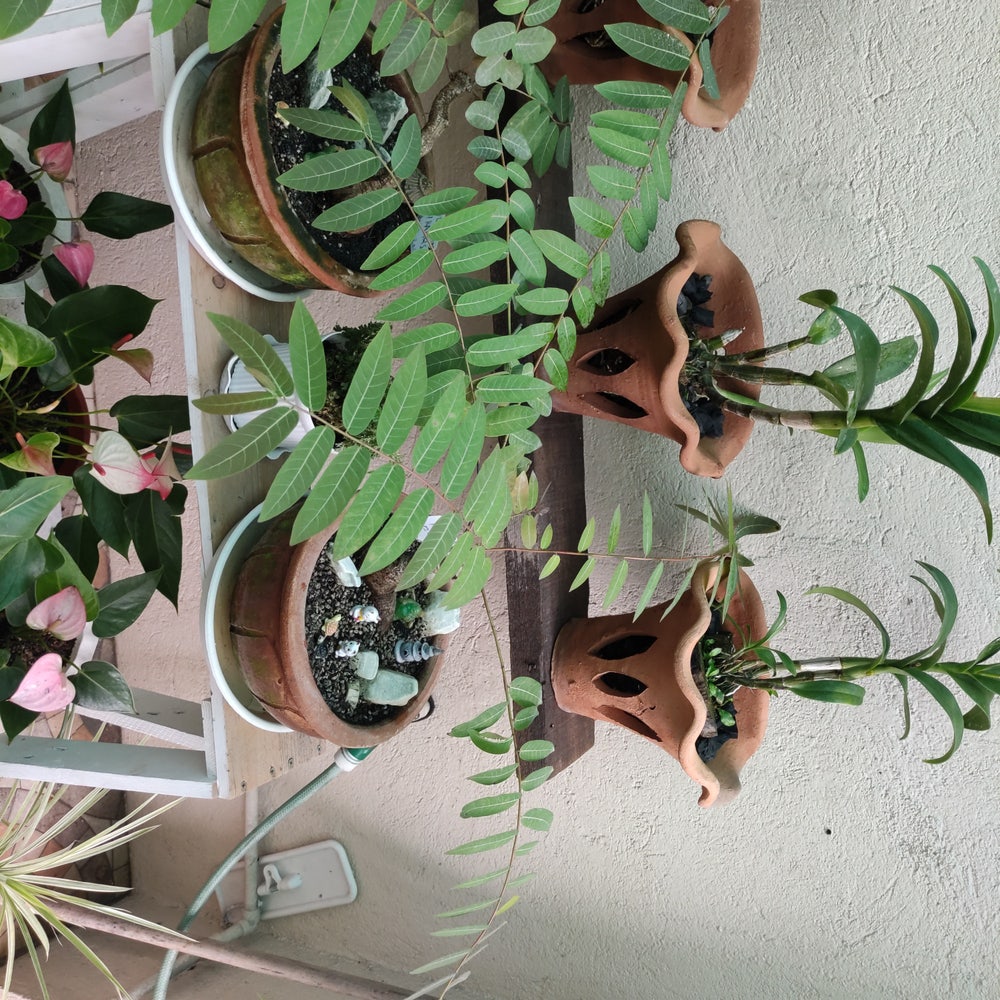
Clay pots are a popular choice among plant enthusiasts. They are breathable, allowing air to circulate through the soil, which promotes healthy root development.
However, they come with some downsides. Clay pots are heavier, making them less portable, and they can retain moisture, which may lead to overwatering if not monitored closely.
🪴 Plastic Pots
Plastic pots offer a lightweight alternative that many gardeners appreciate. They retain moisture well, which can be beneficial in drier conditions.
On the flip side, plastic pots are less breathable than clay. This can lead to root issues if the soil doesn't dry out properly, and they may degrade under prolonged exposure to UV light.
🌱 Other Materials
Ceramic pots are undeniably attractive, adding a decorative touch to your plant display. However, their weight can make them cumbersome to move around.
Biodegradable pots are an eco-friendly option, perfect for those who prioritize sustainability. Yet, they provide only short-term support, as they break down over time and may not be suitable for long-term use.
In summary, selecting the right pot material is essential for your Phyllanthus mirabilis. Each type has its pros and cons, so consider your plant's needs and your gardening style before making a choice.
Next, let’s explore the importance of drainage considerations to ensure your plant thrives.
Drainage Considerations
Importance of Drainage Holes 🌊
Drainage holes are crucial for preventing waterlogging, which can suffocate roots. Healthy roots need air, and proper drainage ensures they receive it.
Ensuring Proper Drainage 🚰
When selecting pots, look for those with ample drainage holes. Pair your pot with a well-draining potting mix to promote optimal moisture levels.
Signs of Poor Drainage ⚠️
Watch for yellowing leaves, wilting, or root rot as indicators of poor drainage. These symptoms signal that your plant is struggling and needs immediate attention.
Ensuring proper drainage is essential for the health of your Phyllanthus mirabilis. Next, let’s explore the best practices for repotting to keep your plant thriving.
Repotting Guidelines
🕒 When to Repot
Recognizing when to repot your Phyllanthus mirabilis is crucial for its health. Look for signs like root binding or stunted growth; these indicate that your plant is ready for a new home.
It's generally recommended to repot every 1-2 years. This frequency helps ensure your plant has enough space to thrive.
🪴 Choosing the Right Pot
Selecting the right pot involves considering both size and material. Ensure the new pot is appropriately sized for your plant's growth stage and made from a material that suits its needs.
A well-chosen pot can significantly enhance your plant's health and growth.
📋 Step-by-Step Repotting Guide
Repotting may seem daunting, but following these steps can simplify the process:
- Prepare the new pot with fresh potting mix.
- Gently remove the plant from its current pot.
- Inspect roots for signs of rot and trim damaged areas.
- Place the plant in the new pot at the same depth.
- Fill in with potting mix, firming it gently.
- Water thoroughly to settle the soil.
By following these steps, you can ensure a smooth transition for your plant, promoting healthy growth and vitality.
With your Phyllanthus mirabilis comfortably repotted, it's time to consider how pot choice impacts its overall health.
Impact of Pot Choice on Health
🌱 Effects on Growth and Health
The choice of pot material and size plays a crucial role in the growth rates of your Phyllanthus mirabilis. For instance, clay pots allow for better air circulation, promoting healthy root development, while larger pots provide ample space for roots to expand.
Conversely, using a pot that’s too small can stunt growth, leading to a stressed plant. The right balance between size and material can significantly enhance your plant's vitality.
⚠️ Common Issues from Poor Selection
Selecting the wrong pot can lead to several issues, including root rot and stunted growth. If your plant is in a non-breathable pot, moisture can accumulate, suffocating the roots.
Additionally, stress from unsuitable materials can weaken your plant, making it more susceptible to pests and diseases. Always consider how your pot choice affects overall plant health.
🧪 Long-Term Effects of Material
The material of your pot impacts nutrient absorption and moisture retention over time. For example, plastic pots retain moisture well but can lead to nutrient buildup if not monitored.
On the other hand, biodegradable pots offer eco-friendly options but may not support long-term growth. Understanding these dynamics helps ensure your Phyllanthus mirabilis thrives for years to come.
As you consider your pot choices, remember that the right selection can make all the difference in your plant's health and growth. Next, let’s explore essential drainage considerations to keep your plant happy and healthy.
⚠️ Safety First
This content is for general information and may contain errors, omissions, or outdated details. It is not medical, veterinary advice, or an endorsement of therapeutic claims.
Always consult a qualified healthcare professional before using any plant as food, medicine, or supplement.
Never eat any plant (or feed one to pets) without confirming its identity with at least two trusted sources.
If you suspect poisoning, call Poison Control (800) 222-1222, the Pet Poison Helpline (800) 213-6680, or your local emergency service immediately.
Spotted an error? Please report it here.
Give your Phyllanthus mirabilis the perfect potting home 🏺 with Greg's tailored reminders and moisture monitoring, ensuring it thrives beautifully for years to come!