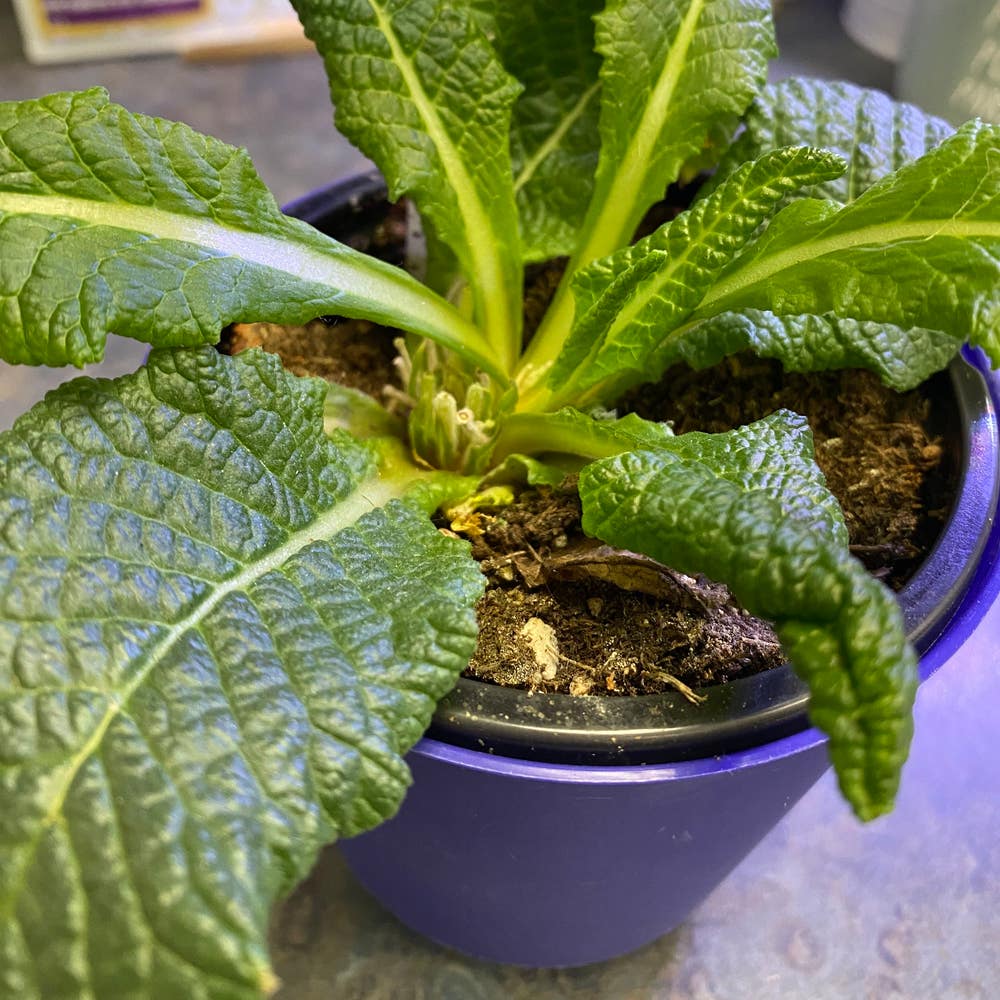
🌼 3 Perfect Spots to Grow Common Primrose
Primula vulgaris
By the Greg Editorial Team
Sep 30, 2024•4 min read
This article was created with the help of AI so we can cover more plants for you. May contain errors. See one? Report it here.
- 🌞 Common Primrose thrives in 4-6 hours of dappled sunlight daily for optimal growth.
- 🌱 Well-drained, moist soil with pH 6.0-7.0 is essential for healthy Primrose.
- 🌿 Companion plants like ferns enhance Primrose growth by sharing light and moisture needs.
Sunlight Exposure Requirements
Optimal Sunlight Conditions 🌞
Common Primrose thrives in dappled sunlight, making it a versatile choice for various garden settings. Aim for 4-6 hours of indirect sunlight daily to keep these vibrant flowers flourishing.
Assessing Sunlight in Your Garden 🔍
To determine the best spots for your Primrose, consider using a light meter or simply observe sun patterns throughout the day. Look for areas that bask in morning sun but enjoy the cool relief of afternoon shade, creating an ideal environment for growth.
By understanding these sunlight requirements, you can set your Common Primrose up for success. Next, let’s explore the soil conditions that will further enhance its growth potential.
Soil Conditions
Ideal Soil Types and pH Levels 🌱
Common Primrose thrives in well-drained, moist soil enriched with organic matter. Aim for a slightly acidic to neutral pH, ideally between 6.0 and 7.0, to create the perfect environment for these vibrant flowers.
Testing and Improving Soil Conditions 🧪
To ensure your soil meets these requirements, consider using a home testing kit. This simple tool helps you determine pH and nutrient levels, guiding you in making necessary adjustments.
If your soil needs improvement, amending it is straightforward. Incorporate compost or peat moss to boost moisture retention and enhance nutrient content, setting your Primrose up for success.
By focusing on soil quality, you create a thriving habitat for your plants. Healthy soil leads to robust growth and stunning blooms, making your garden a true delight.
Next, let’s explore how the proximity to other plants and structures can impact the growth of your Common Primrose.
Proximity to Other Plants and Structures
🌱 Companion Planting Considerations
Common Primrose thrives when paired with plants that share its light and moisture preferences. Consider ferns or hostas as ideal companions; they not only complement Primrose but also create a vibrant garden ecosystem.
Companion planting enhances biodiversity, which can naturally deter pests. This synergy allows your garden to flourish while reducing the need for chemical interventions.
🚫 Avoiding Competition for Resources
To ensure your Common Primrose thrives, maintain adequate spacing between plants. This prevents competition for essential nutrients and water, allowing each plant to flourish.
When planning your garden layout, consider the height of your plants. Taller varieties should be positioned behind Primrose to avoid shading, ensuring it receives the light it needs to bloom beautifully.
By thoughtfully arranging your garden, you can create a harmonious environment where Common Primrose and its companions thrive together. Next, let’s explore how to protect these plants from wind and other environmental factors.
Wind Protection and Environmental Factors
🌳 Identifying Windbreaks in Your Garden
To protect your Common Primrose from harsh winds, consider using natural windbreaks like trees and shrubs. Fences can also serve as effective barriers, creating a more sheltered environment.
If natural options are limited, think about constructing artificial barriers. Garden structures, such as trellises, can provide additional protection while adding visual interest to your garden.
💨 Effects of Wind on Primrose Growth
Wind stress can significantly impact the health of your Primrose. High winds may damage flowers and foliage, leading to reduced vigor and overall growth.
To combat this, position your Primrose in sheltered areas of your garden. This simple strategy can minimize wind exposure and help your plants thrive.
By ensuring adequate wind protection, you set the stage for a flourishing garden. Next, let’s explore the best indoor and outdoor planting strategies for your Common Primrose.
Indoor vs. Outdoor Planting
Best Indoor Locations for Primrose 🌱
Common Primrose thrives indoors when placed in bright, indirect light. Aim for consistent moisture to keep these beauties happy.
For optimal growth, position them near east or west-facing windows. This setup allows them to soak up the gentle sunlight they crave without getting scorched.
Outdoor Planting Strategies 🌳
When planting outdoors, choose spots that offer morning sun and afternoon shade. This balance helps prevent the plants from wilting in the heat of the day.
Timing is crucial, so aim to plant in early spring. This ensures your Primrose has the best chance to establish roots and bloom beautifully.
With the right conditions, both indoor and outdoor settings can showcase the vibrant charm of Common Primrose. Next, let’s explore how to create the perfect soil conditions for these lovely plants.
⚠️ Safety First
This content is for general information and may contain errors, omissions, or outdated details. It is not medical, veterinary advice, or an endorsement of therapeutic claims.
Always consult a qualified healthcare professional before using any plant as food, medicine, or supplement.
Never eat any plant (or feed one to pets) without confirming its identity with at least two trusted sources.
If you suspect poisoning, call Poison Control (800) 222-1222, the Pet Poison Helpline (800) 213-6680, or your local emergency service immediately.
Spotted an error? Please report it here.
Create a thriving garden oasis 🌱 by using Greg's tailored reminders for sunlight and moisture, ensuring your Common Primrose flourishes in its perfect spot!