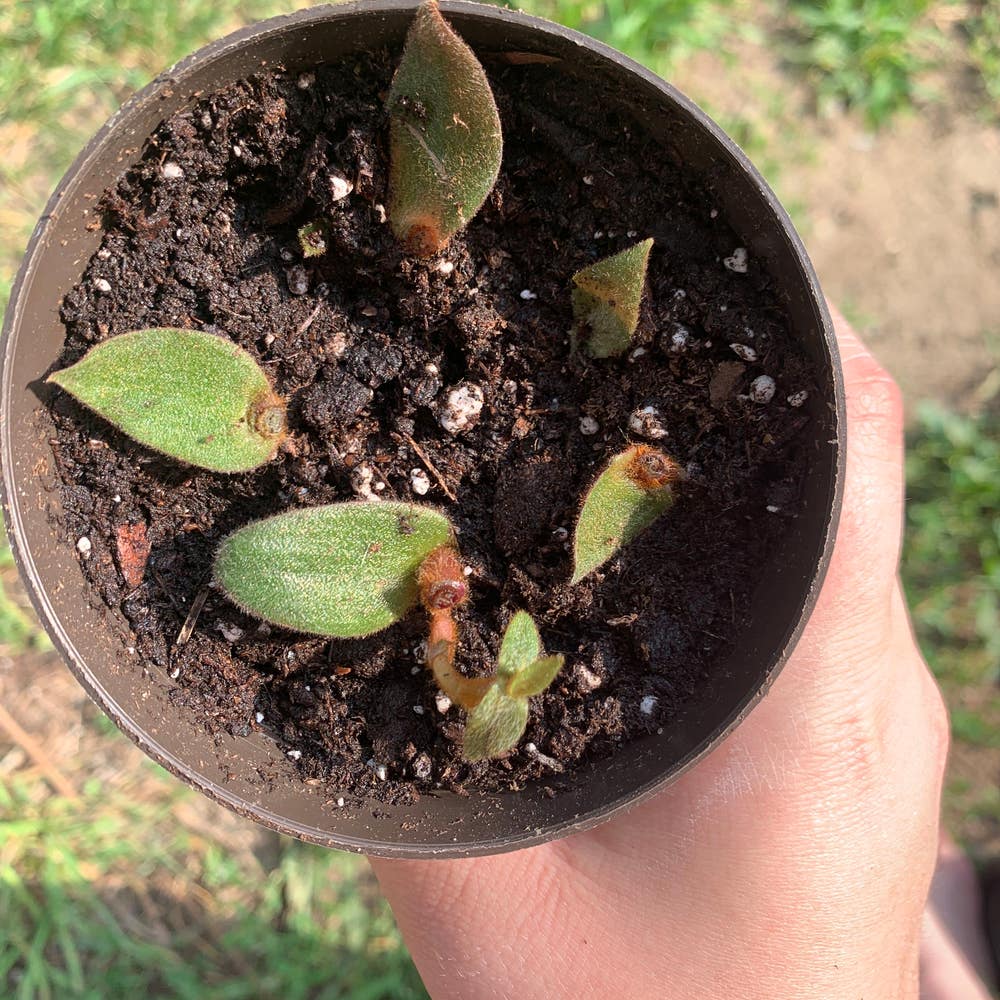
4 Perfect Spots to Plant Your Blue Mink 🌸
Cyanotis pedunculata
By the Greg Editorial Team
Nov 26, 2024•2 min read
This article was created with the help of AI so we can cover more plants for you. May contain errors. See one? Report it here.
Cultivate a vibrant garden 🌱 by mastering the ideal conditions for thriving Blue Mink plants!
- ☀️ Blue Mink needs 6-8 hours of sunlight daily for optimal growth.
- 🌱 Sandy loam soil with pH 6.0-7.0 ensures healthy Blue Mink plants.
- 🌬️ Space plants 12-18 inches apart to promote air circulation and prevent overcrowding.
Ideal Locations
☀️ Sunlight Exposure
Full Sun Requirements
To thrive, Blue Mink plants need 6-8 hours of direct sunlight daily. This full sun exposure not only enhances their foliage color but also promotes robust growth.
Partial Shade Tolerance
These plants can also adapt to 3-4 hours of indirect sunlight. This makes them perfect for gardens where taller plants provide some afternoon shade.
🌱 Soil Type and Conditions
Well-Draining Soil Preferences
Blue Mink prefers sandy loam or loamy soil for optimal growth. Good drainage is crucial as it prevents root rot and encourages healthy development.
Soil pH Considerations
Aim for a soil pH between 6.0 to 7.0 for the best nutrient uptake. You can easily determine your soil's acidity or alkalinity using a soil test kit.
🌿 Proximity to Other Plants
Companion Planting Benefits
Planting Blue Mink alongside compatible species can enhance their growth. Look for plants that thrive under similar light and soil conditions to maximize benefits.
Avoiding Overcrowding
Space Blue Mink 12-18 inches apart to ensure proper air circulation. Overcrowding can lead to increased competition for nutrients and water, hindering their growth.
📍 Assessing the Best Spot
Evaluating Sunlight Patterns
Morning vs. Afternoon Sun
Morning sun provides gentle light that promotes healthy growth and reduces stress. In contrast, intense afternoon heat can be detrimental, especially in hotter climates.
Seasonal Changes in Light
Keep an eye on how sunlight shifts with the seasons. Adjusting plant placement as necessary can help optimize their light exposure throughout the year.
🌬️ Wind Protection and Drainage
Importance of Windbreaks
Utilizing natural windbreaks, like hedges or trees, can shield your plants from harsh winds. If natural options aren’t available, consider using fences or trellises for added protection.
Ensuring Proper Drainage
To test drainage, dig a hole and fill it with water, then observe how quickly it drains. Signs of poor drainage include standing water or consistently soggy soil, which can harm your plants.
With the right sunlight, soil, and spacing, your Blue Mink will flourish beautifully. Next, let’s explore how to assess your garden’s unique conditions for optimal planting.
⚠️ Safety First
This content is for general information and may contain errors, omissions, or outdated details. It is not medical, veterinary advice, or an endorsement of therapeutic claims.
Always consult a qualified healthcare professional before using any plant as food, medicine, or supplement.
Never eat any plant (or feed one to pets) without confirming its identity with at least two trusted sources.
If you suspect poisoning, call Poison Control (800) 222-1222, the Pet Poison Helpline (800) 213-6680, or your local emergency service immediately.
Spotted an error? Please report it here.
Ensure your Blue Mink plants thrive with personalized care 🌱 from Greg, who will help you monitor sunlight and soil conditions for their best growth!