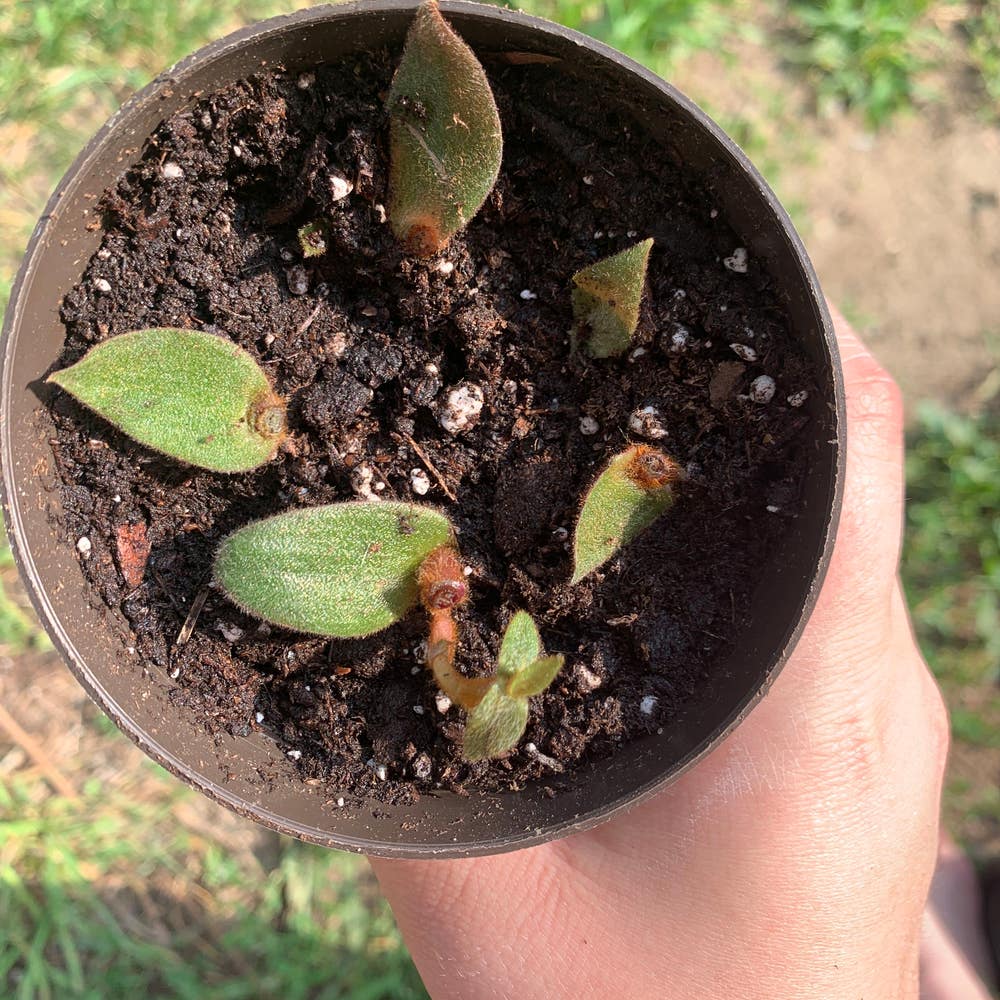
Best Size and Type of Pot for Blue Mink 🪴
Cyanotis pedunculata
By the Greg Editorial Team
Nov 26, 2024•7 min read
This article was created with the help of AI so we can cover more plants for you. May contain errors. See one? Report it here.
Master pot size and material choices 🌱 to unlock vibrant growth for your Blue Mink plants and ensure their thriving health!
- 🌱 Choose pot sizes wisely: 4-6 inches for seedlings, 10-12 for mature plants.
- 🏺 Clay pots promote drainage, while plastic retains moisture—balance is key!
- 🔄 Repot every 1-2 years to prevent root crowding and ensure healthy growth.
Pot Size for Blue Mink
🌱 How Size Affects Growth Stages
Choosing the right pot size is crucial for the growth of Blue Mink plants. Seedlings thrive in smaller pots, typically 4-6 inches in diameter, which helps establish their roots without the risk of excess soil moisture.
As plants mature, they require larger pots—around 10-12 inches—to accommodate root expansion and support their growth. Established plants, which can reach heights of up to 3 feet, should be placed in pots measuring 14-16 inches to ensure stability and prevent tipping.
📏 Recommended Sizes for Different Growth Stages
To optimize growth, it's essential to select the appropriate pot size for each stage of development:
- Seedlings: Use pots that are 4-6 inches in diameter to encourage initial root development.
- Young Plants: Opt for 8-10 inch pots, providing ample room for growth.
- Mature Plants: Choose pots that are 10-12 inches in diameter to ensure adequate space for their root systems.
- Established Plants: Select larger pots, 14-16 inches in diameter, to support full growth and stability.
Understanding these size requirements will help you nurture your Blue Mink plants effectively. With the right pot size, you can promote healthy growth and vibrant foliage, setting the stage for a thriving garden.
Next, let’s explore the various pot materials that can further influence your plant's health and growth.
Pot Materials
Different Pot Materials 🌱
When it comes to choosing pots for your Blue Mink, the material plays a crucial role. The three most common options are clay, plastic, and ceramic, each with its unique characteristics.
Clay Pots 🏺
Clay pots are porous, allowing for excellent air circulation and moisture control. This feature helps prevent root rot and promotes healthy growth.
Pros and Cons of Clay
- Pros: They provide excellent drainage, which is essential for healthy root development.
- Cons: However, they can dry out quickly, meaning you'll need to water more frequently.
Plastic Pots 🪴
Plastic pots are lightweight and retain moisture well, making them a popular choice among gardeners. They are often less expensive and come in various sizes.
Pros and Cons of Plastic
- Pros: Their lightweight nature makes them easy to move, and they hold moisture longer.
- Cons: On the downside, they are less breathable, which can lead to root rot if drainage is inadequate.
Ceramic Pots 🍶
Ceramic pots are known for their aesthetic appeal, adding a decorative touch to your plant display. However, they can be heavy and may retain moisture differently than other materials.
Pros and Cons of Ceramic
- Pros: They come in attractive designs, making them great for decorative purposes.
- Cons: Their weight can be a drawback, and they may not provide adequate drainage unless specifically designed with holes.
How Material Affects Moisture Retention and Temperature 🌡️
The choice of pot material significantly impacts moisture retention and temperature management for your Blue Mink.
- Clay: Evaporates moisture quickly, keeping roots cooler and reducing the risk of overheating.
- Plastic: Retains moisture, which can lead to overwatering if not monitored closely.
- Ceramic: Can retain heat, affecting soil temperature and moisture levels, which may influence plant health.
Understanding these materials will help you make informed decisions for your Blue Mink's potting needs. Next, let’s explore the importance of drainage considerations to ensure your plants thrive.
Drainage Considerations
Importance of Drainage Holes 🌊
Drainage holes are crucial for the health of your Blue Mink plants. They prevent waterlogging and root rot, promoting healthy root development by allowing excess water to escape.
Ensuring Proper Drainage 🚰
To ensure proper drainage, choose pots with multiple drainage holes. Additionally, use a well-draining potting soil mix specifically designed for Blue Mink.
Consider adding a layer of gravel or stones at the bottom of the pot for extra drainage support. This simple step can make a significant difference in maintaining optimal moisture levels.
Signs of Poor Drainage and Their Impact ⚠️
Watch for signs of poor drainage, as they can indicate serious issues. Yellowing leaves often signal overwatering or root rot, while wilting despite adequate watering suggests waterlogged soil.
Stunted growth may also occur, resulting from restricted root development due to poor drainage. Addressing these signs promptly can save your plants from further distress.
Understanding drainage is vital for the overall health of your Blue Mink. With the right pot and soil, you can create a thriving environment for your plants.
Next, let's explore the guidelines for repotting your Blue Mink to ensure they continue to flourish.
Repotting Guidelines
When to Repot 🌱
Repotting is essential for maintaining healthy Blue Mink plants. Aim to repot every 1-2 years or when you notice roots peeking through the drainage holes. Early spring is the best time to do this, as it prepares the plant for new growth.
Signs Indicating the Need for Repotting 🚨
Keep an eye out for specific signs that indicate it's time to repot. If you see roots circling the pot or growing out of the drainage holes, it's a clear signal. Additionally, if the soil dries out too quickly, it may suggest root crowding, while stunted growth or yellowing leaves can indicate that your plant is struggling despite your care.
Step-by-Step Guide to Repotting 🛠️
Repotting can be a straightforward process if you follow these steps:
- Choose a new pot that is 1-2 inches larger in diameter than the current one.
- Prepare fresh potting soil that is suitable for Blue Mink.
- Gently remove the plant from its current pot, being careful not to damage the roots.
- Loosen any tightly bound roots and trim them if necessary to encourage healthy growth.
- Place the plant in the new pot and fill it with fresh soil, ensuring the root ball is level with the top of the pot.
- Water thoroughly to settle the soil and eliminate any air pockets.
By following these steps, you can ensure a smooth transition for your Blue Mink, promoting its health and growth.
Tips for Maintaining Health During Repotting 💧
To minimize stress during repotting, water the plant a day before the process. Avoid repotting during extreme temperatures, whether hot or cold, to protect the plant. After repotting, keep the plant in a shaded area for a few days to help it acclimate to its new environment.
With these guidelines, your Blue Mink will thrive in its new home, ready to grow and flourish. Next, let’s explore how to choose the right pot for repotting to ensure optimal growth and health.
Choosing the Right Pot for Repotting
🏺 Factors to Consider
When selecting a pot for repotting your Blue Mink, size is crucial. Ensure the new pot accommodates the current root system while allowing room for future growth.
Material choice also plays a significant role. Consider how different materials affect moisture retention and your aesthetic preferences.
Lastly, drainage is non-negotiable. Always confirm that the pot has adequate drainage holes to prevent waterlogging.
📦 Transitioning to a Larger Pot
Transitioning to a larger pot should be done gradually. This approach helps avoid shocking the plant, which can hinder its growth.
After repotting, monitor the watering needs closely. Larger pots may retain moisture differently, so adjust your watering schedule accordingly.
🌱 Tips for Maintaining Health During Repotting
To minimize stress, water the plant a day before repotting. This simple step prepares the roots for their new environment.
Avoid repotting during extreme temperatures, whether hot or cold. This helps ensure the plant can adapt without additional stress.
After repotting, keep the plant in a shaded area for a few days. This allows it to acclimate to its new pot without overwhelming it.
With these guidelines, your Blue Mink will thrive in its new home, setting the stage for robust growth. Next, let’s explore the importance of drainage considerations to ensure your plant remains healthy and vibrant.
⚠️ Safety First
This content is for general information and may contain errors, omissions, or outdated details. It is not medical, veterinary advice, or an endorsement of therapeutic claims.
Always consult a qualified healthcare professional before using any plant as food, medicine, or supplement.
Never eat any plant (or feed one to pets) without confirming its identity with at least two trusted sources.
If you suspect poisoning, call Poison Control (800) 222-1222, the Pet Poison Helpline (800) 213-6680, or your local emergency service immediately.
Spotted an error? Please report it here.
Select the perfect pot for your Blue Mink plants with Greg's tailored tips and reminders, ensuring they thrive in their ideal environment 🌿!