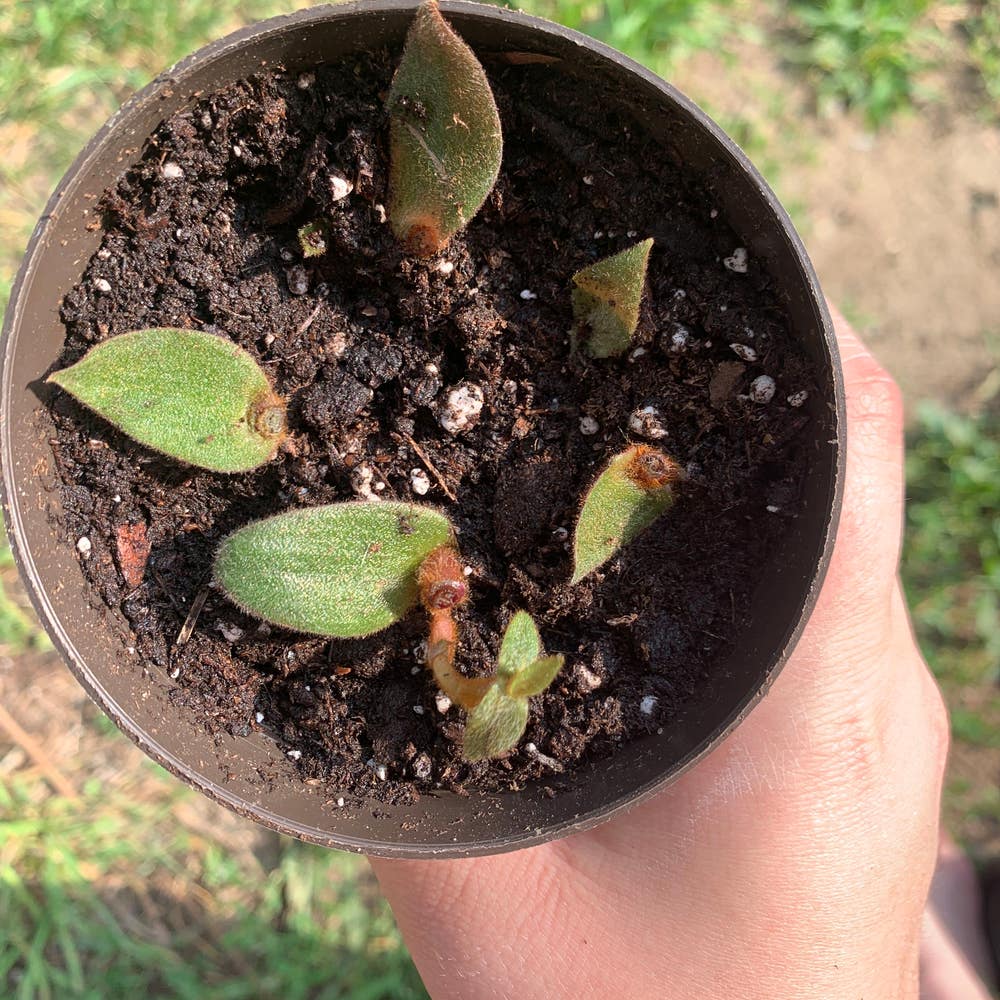
Ultimate Guide to Propagating Blue Mink
Cyanotis pedunculata
By the Greg Editorial Team
Nov 26, 2024•7 min read
This article was created with the help of AI so we can cover more plants for you. May contain errors. See one? Report it here.
Master Blue Mink propagation 🌱 with expert tips that guarantee vibrant plants and a flourishing garden! 🌿
- 🌱 Select healthy 4-6 inch cuttings for successful Blue Mink propagation.
- 🌞 Best time for cuttings is late spring to early summer during active growth.
- 🌿 Use rooting hormone to boost root development and ensure thriving plants.
Propagating from Cuttings
🌱 Step-by-step guide for taking cuttings
To start propagating Blue Mink from cuttings, select healthy stems that are 4-6 inches long and have several leaves. Use clean, sharp scissors to make a cut just below a leaf node for the best results.
Next, remove the lower leaves from the cutting. This step is crucial as it helps prevent rot when the cutting is planted.
⏰ Ideal time for taking cuttings
The best time to take cuttings is during late spring to early summer, when the plant is actively growing. Look for signs of readiness, such as new growth and vibrant, healthy foliage.
🌿 Rooting hormone usage
To enhance root development, dip the cut end of the cutting in rooting hormone. You can choose from various types of rooting hormones, including powder, gel, or liquid options.
🪴 Potting and care for cuttings
When potting your cuttings, use a well-draining mix, ideally a combination of peat and perlite.
Water the cuttings lightly by misting them and ensure the soil remains consistently moist but not soggy.
For optimal growth, place the cuttings in bright, indirect light. This environment encourages rooting and helps your cuttings thrive.
With these steps, you’ll be well on your way to successfully propagating Blue Mink from cuttings. Next, let’s explore how to propagate this plant from seeds for even more growth opportunities.
Propagating from Seeds
🌱 Seed collection and preparation
Collecting seeds is the first step in propagating blue mink. Wait until the flower spikes turn brown, then harvest the seeds for the best results.
Once harvested, clean the seeds by removing any debris. Allow them to dry for a few days to ensure they are ready for planting.
🌱 Germination process
When you're ready to plant, sow the seeds about 1/4 inch deep in a seed-starting mix. Under optimal conditions, you can expect germination within 10-14 days.
🌱 Ideal conditions for seed propagation
Maintaining the right temperature is crucial for successful seed propagation. Aim for a range of 70°F to 75°F (21°C to 24°C) to encourage growth.
To retain moisture, cover the seeds with a plastic dome or plastic wrap until they germinate. This helps create a humid environment that seeds thrive in.
🌱 Transplanting seedlings
Timing is everything when it comes to transplanting seedlings. Wait until they have at least two sets of true leaves before moving them to their new pots.
When transplanting, space the seedlings 12-18 inches apart. This gives them room to grow and flourish in their new environment.
With these steps, you’re well on your way to successfully propagating blue mink from seeds. Next, let’s explore how to propagate this plant through division for even more growth opportunities.
Propagating by Division
Step-by-step division process 🌱
Dividing your Blue Mink plant is a straightforward way to propagate and rejuvenate it.
Remove the plant from its pot: Gently loosen the soil around the edges and lift the plant out, taking care not to damage the roots.
Separate the root ball: With clean, sharp tools, divide the root ball into sections. Ensure each section has both roots and foliage for the best chance of survival.
Re-pot divisions: Plant each section in its own pot filled with fresh, well-draining soil. This gives each new plant the space it needs to thrive.
Post-division care 🌿
After dividing, your new plants will need some extra attention.
Watering: Water thoroughly after planting to help settle the soil around the roots. Keep the soil consistently moist for the first few weeks to encourage healthy growth.
Light requirements: Place your newly potted divisions in bright, indirect light. This will help them establish new roots and adapt to their new environment.
By following these steps, you can successfully propagate your Blue Mink through division, ensuring a healthy and vibrant plant collection. Next, let’s explore common challenges you might face during propagation and how to overcome them.
Common Challenges in Propagation
🐛 Pests and Diseases
Identifying common pests during propagation
Pests can wreak havoc on your propagation efforts. Keep an eye out for common culprits like aphids, spider mites, and whiteflies, which often target cuttings and seedlings.
Signs of an infestation include yellowing leaves, webbing on the plant, or sticky residue that can indicate sap-sucking pests. Early detection is key to preventing further damage.
Preventative measures and treatments
Regular inspections are essential for maintaining healthy plants. Make it a habit to check your cuttings and seedlings frequently for any signs of pests.
If you spot an infestation, treatment options like insecticidal soap or neem oil can be effective. These solutions help control pests without harming your plants.
🌱 Rooting Issues
Troubleshooting poor rooting success
Sometimes, cuttings just don’t take root as expected. Signs of poor rooting include wilting cuttings, yellowing leaves, or a complete lack of root development.
Common causes of these issues often stem from overwatering, insufficient light, or a lack of humidity. Adjusting these factors can significantly improve your success rate.
Signs of overwatering or underwatering
Understanding the signs of overwatering and underwatering is crucial for healthy propagation. Overwatering typically manifests as yellowing leaves, mushy stems, and root rot.
On the other hand, underwatering can lead to crispy leaf edges, drooping leaves, and dry soil. Monitoring your watering habits closely will help you strike the right balance.
As you navigate these challenges, remember that patience and observation are your best allies. With the right care, you can overcome these hurdles and enjoy successful propagation. Next, let’s explore advanced techniques that can elevate your propagation game even further.
Advanced Propagation Techniques
🌱 Air Layering
Air layering is a fantastic method for propagating Blue Mink, especially if you want to maintain the genetic consistency of your plants. This technique is particularly effective for larger, established plants.
Step-by-step air layering process
- Select a healthy stem: Choose a stem that is at least 1/4 inch thick.
- Make an incision: Cut a small notch in the stem about one-third of the way through.
- Apply rooting hormone: Dust the cut area with rooting hormone to encourage root growth.
- Wrap with moist sphagnum moss: Securely wrap the moss around the cut area and cover it with plastic wrap to retain moisture.
- Wait for roots: Keep the moss moist and check for roots in 4-6 weeks.
🚀 Benefits of air layering
Air layering offers several advantages. It produces a mature plant faster than traditional methods and ensures that the new plant is genetically identical to the parent.
- Advantages: Faster maturity and genetic consistency.
- Ideal for: Propagating larger, established plants that you want to replicate.
🧪 Tissue Culture
Tissue culture is an advanced propagation technique that can yield impressive results. It’s especially useful for those looking to expand their collection or for commercial growers.
Equipment and materials needed
To get started with tissue culture, you’ll need a few essential items:
- Required items: Sterile containers, agar medium, and growth hormones.
- Setup: Ensure a clean workspace to prevent contamination, as cleanliness is crucial for success.
🌟 Advantages of tissue culture propagation
Tissue culture has numerous benefits that make it a go-to method for serious propagators.
- Benefits: High success rates, rapid multiplication, and preservation of specific traits.
- Ideal for: Commercial growers and hobbyists eager to expand their plant collection efficiently.
These advanced techniques can elevate your propagation game, allowing you to cultivate healthy, vibrant Blue Mink plants with ease. As you explore these methods, you'll find that each offers unique benefits tailored to different propagation needs. Ready to dive deeper into the world of plant propagation? Let's explore the common challenges you might encounter along the way!
⚠️ Safety First
This content is for general information and may contain errors, omissions, or outdated details. It is not medical, veterinary advice, or an endorsement of therapeutic claims.
Always consult a qualified healthcare professional before using any plant as food, medicine, or supplement.
Never eat any plant (or feed one to pets) without confirming its identity with at least two trusted sources.
If you suspect poisoning, call Poison Control (800) 222-1222, the Pet Poison Helpline (800) 213-6680, or your local emergency service immediately.
Spotted an error? Please report it here.
Master the art of propagating Blue Mink 🌿 with Greg's tailored care tips and reminders, ensuring your cuttings flourish every step of the way!