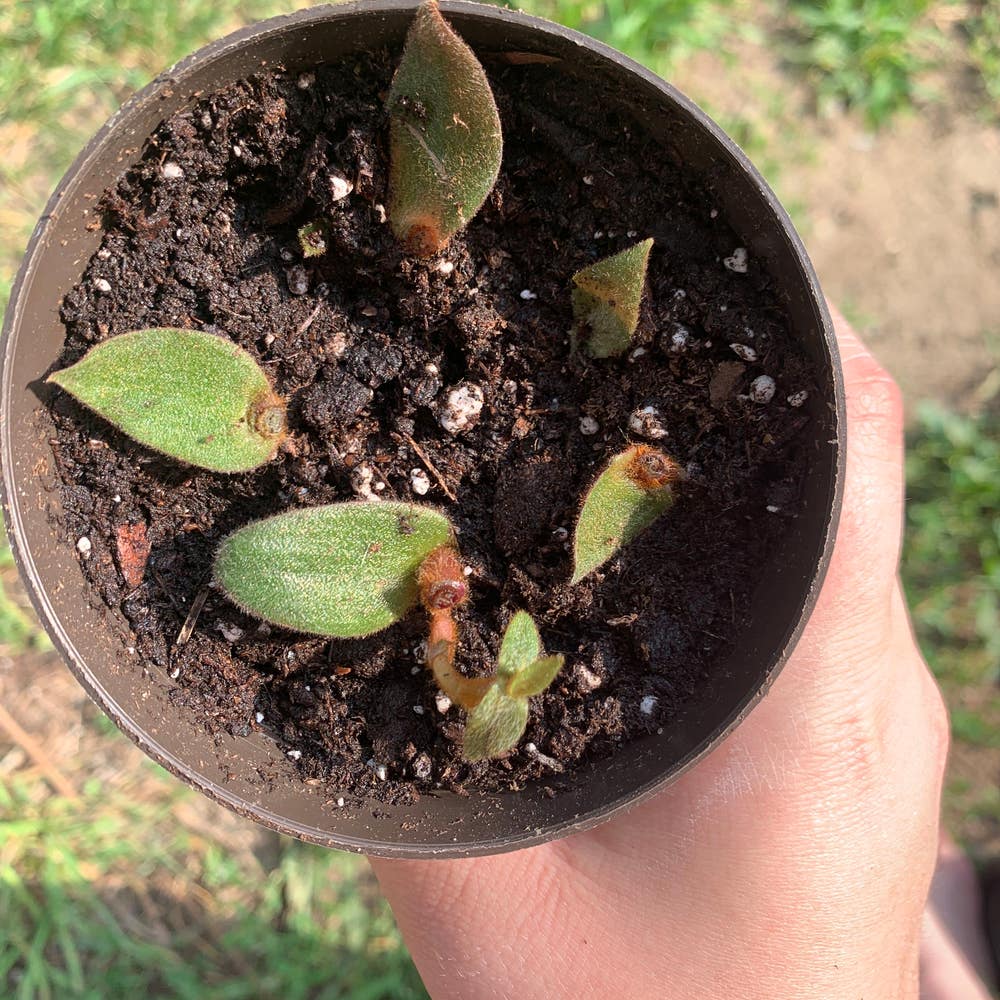
How to Cure Droopy Leaves on Your Blue Mink 😢
Cyanotis pedunculata
By the Greg Editorial Team
Nov 26, 2024•6 min read
This article was created with the help of AI so we can cover more plants for you. May contain errors. See one? Report it here.
Transform your droopy Blue Mink 🌱 into a thriving beauty with essential tips on watering and care!
- 💧 Overwatering and underwatering both cause droopy leaves; adjust your watering routine.
- 🌡️ Ideal temperature for Blue Mink is 18°C to 24°C (65°F to 75°F) for health.
- 🌿 Nutrient deficiencies and poor soil can lead to droopy leaves; fertilize regularly.
Causes of Droopy Leaves
💧 Overwatering and Its Effects
Overwatering is a common issue that can lead to several alarming symptoms. Look for yellowing leaves, mushy stems, and a musty smell emanating from the soil.
The impact of overwatering is severe; it can cause root rot, which ultimately leads to droopy leaves and a decline in plant health. If you notice these signs, it’s crucial to adjust your watering habits immediately.
🚰 Underwatering and Its Effects
On the flip side, underwatering can also wreak havoc on your Blue Mink. Symptoms include crispy leaf edges, dry soil, and wilting leaves.
When a plant lacks moisture, it results in droopy leaves and stunted growth. Recognizing these signs early can help you revive your plant before it’s too late.
🌪️ Environmental Stress Factors
Temperature
Temperature plays a vital role in your plant's well-being. The ideal range for your Blue Mink is between 18°C to 24°C (65°F to 75°F).
Extreme temperatures can lead to droopy leaves, either from heat stress or cold shock. Keeping your plant within this range is essential for its health.
🌫️ Humidity
Humidity is another critical factor to consider. Your Blue Mink thrives in humidity levels between 50% to 70%.
Low humidity can cause leaf droop and browning leaf tips. Maintaining the right humidity is key to keeping your plant vibrant.
🌱 Soil Quality and Drainage Issues
Soil quality and drainage are crucial for healthy root systems. Well-draining soil prevents waterlogging, which can suffocate roots.
Signs of poor drainage include water pooling on the surface and slow absorption. If you notice these issues, it may be time to amend your soil.
🥦 Nutrient Deficiencies
Nutrient deficiencies can also lead to droopy leaves. Common deficiencies include nitrogen, potassium, and magnesium.
Symptoms of nutrient deficiencies manifest as yellowing leaves, poor growth, and droopy foliage. Regularly checking your plant's nutrient levels can help maintain its health.
Understanding these causes of droopy leaves is the first step in addressing the issue effectively. Next, we’ll explore how to diagnose the specific problems affecting your Blue Mink.
Diagnosing Droopy Leaves
🚰 Signs of Overwatering vs. Underwatering
Identifying whether your Blue Mink is suffering from overwatering or underwatering is crucial. Overwatering typically presents as yellow leaves, soggy soil, and root rot, while underwatering results in wilting leaves, dry soil, and crispy edges.
🌬️ Identifying Environmental Stress Indicators
Environmental factors can also contribute to droopy leaves. Temperature fluctuations can cause sudden leaf droop, and low humidity levels often lead to droopy leaves as well.
🌱 Assessing Soil Moisture Levels
To determine the moisture level in the soil, you can use a couple of simple techniques. The finger test involves inserting your finger about an inch into the soil; if it feels dry, it's time to water. Alternatively, a moisture meter can provide a more precise reading. Ideally, the soil should be slightly moist but not soggy.
🐛 Checking for Pests or Diseases
Pests can wreak havoc on your plant's health, leading to droopy leaves. Common culprits include spider mites, aphids, and mealybugs. Look for signs of infestation such as sticky residue, webbing, or visible insects on the leaves.
By carefully diagnosing these factors, you can take the necessary steps to revive your Blue Mink and keep it thriving. Next, we’ll explore effective treatments for droopy leaves to restore your plant's vitality.
Treating Droopy Leaves
🌊 Step-by-Step Guide to Adjusting Watering Practices
To revive your Blue Mink, start by assessing your current watering schedule. Check how often and how much you’re watering.
Next, adjust your watering habits. Water only when the top inch of soil feels dry to the touch.
Finally, use proper watering techniques. Ensure you water thoroughly until excess moisture drains from the bottom of the pot.
💧 How to Improve Humidity
Humidity plays a crucial role in plant health. Here are some effective methods to boost humidity levels around your Blue Mink:
- Use a humidifier: This is a straightforward way to maintain consistent humidity.
- Group plants together: This creates a microclimate that benefits all nearby plants.
- Place a tray of water with pebbles under the pot: As the water evaporates, it increases humidity around the plant.
🪴 Soil Amendment Techniques for Better Drainage
Good drainage is vital for preventing droopy leaves. Consider these soil amendments to enhance drainage:
- Recommended amendments: Use perlite, sand, or orchid bark to improve soil structure.
Follow these steps to amend your soil:
- Remove the plant from its pot.
- Mix the chosen amendments into the existing soil.
- Repot the plant with the improved drainage mix.
🌱 Fertilization Tips to Address Nutrient Deficiencies
Nutrient deficiencies can lead to droopy leaves. Here’s how to tackle this issue effectively:
- Recommended fertilizers: Opt for a balanced liquid fertilizer with an NPK ratio of 10-10-10.
- Application frequency: Fertilize every 4-6 weeks during the growing season for best results.
- Signs of improvement: Look for new growth and healthier leaves as indicators of success.
By following these treatment strategies, you can help your Blue Mink recover from droopy leaves and thrive once again. Next, let’s explore how to prevent future droopy leaves with some best practices.
Preventing Future Droopy Leaves
🌊 Best Practices for Watering
To keep your Blue Mink thriving, establish a consistent watering schedule based on soil moisture. This means checking the soil regularly and watering only when the top inch feels dry.
Using room temperature water is also crucial. Cold water can shock the plant, leading to droopy leaves.
🌡️ Ideal Environmental Conditions
Maintaining the right temperature is essential for your plant's health. Aim for a range between 18°C to 24°C (65°F to 75°F) to keep your Blue Mink happy.
Humidity plays a significant role too. Ensure levels stay between 50% to 70% to prevent leaf droop and promote lush growth.
✂️ Regular Maintenance Tips
Regular maintenance can make a world of difference. Prune dead or yellowing leaves to encourage new growth and keep your plant looking its best.
Repotting every 1-2 years is also recommended. This refreshes the soil and prevents root binding, which can lead to droopy leaves.
🍂 Seasonal Care Adjustments
As seasons change, so should your care routine. Adjust your watering frequency during winter months when growth slows down to avoid overwatering.
In dry seasons or when using heating systems, increase humidity. This simple adjustment can help prevent droopy leaves and keep your plant thriving.
By following these preventative measures, you can ensure your Blue Mink remains vibrant and healthy. Next, let’s explore how to treat droopy leaves effectively if they do occur.
⚠️ Safety First
This content is for general information and may contain errors, omissions, or outdated details. It is not medical, veterinary advice, or an endorsement of therapeutic claims.
Always consult a qualified healthcare professional before using any plant as food, medicine, or supplement.
Never eat any plant (or feed one to pets) without confirming its identity with at least two trusted sources.
If you suspect poisoning, call Poison Control (800) 222-1222, the Pet Poison Helpline (800) 213-6680, or your local emergency service immediately.
Spotted an error? Please report it here.
Revive your Blue Mink's droopy leaves with smart care tips 🌱 from Greg that ensure perfect watering, humidity, and nutrients for a thriving plant!