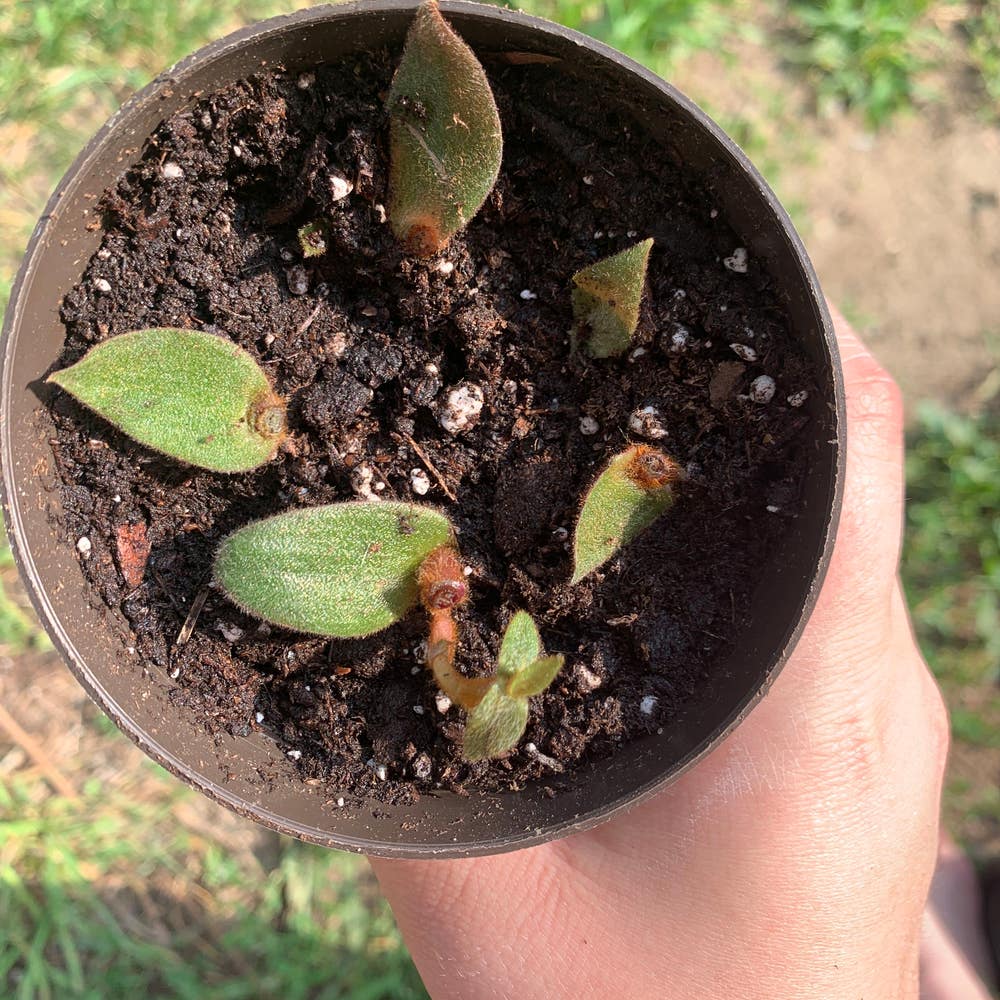
💙 Blue Mink Is a Perennial
Cyanotis pedunculata
By the Greg Editorial Team
Nov 26, 2024•7 min read
This article was created with the help of AI so we can cover more plants for you. May contain errors. See one? Report it here.
Transform your garden with Blue Mink's resilience and beauty, ensuring vibrant blooms year after year! 🌸
- 🌱 Blue Mink is a resilient perennial, regrowing from roots for years of beauty.
- 🌼 It flowers in late spring, attracting pollinators with vibrant blooms.
- 🌍 Adaptable to various climates, Blue Mink thrives with minimal maintenance.
Characteristics of Blue Mink as a Perennial
Key Traits 🌱
Blue Mink is a remarkable perennial known for its ability to regrow from its roots. This resilience allows it to thrive year after year, making it a favorite among gardeners.
One of its standout features is its multi-year lifecycle. Unlike annual plants that die off after one season, Blue Mink can live for several years, providing consistent beauty and greenery in your garden.
This plant's robust nature means it can withstand various environmental challenges. Whether facing drought or heavy rains, Blue Mink adapts, ensuring it remains a reliable choice for any garden enthusiast.
In summary, the combination of its regenerative capabilities, longevity, and resilience makes Blue Mink an exceptional perennial. As we explore its lifecycle and growth patterns next, you'll see how these traits contribute to its overall success in diverse gardening conditions.
Lifecycle and Growth Patterns
Lifecycle Stages 🌱
The lifecycle of Blue Mink is fascinating and consists of five key stages: germination, growth, flowering, dormancy, and the duration of each stage varies.
- Germination: This initial stage occurs when seeds absorb moisture and begin to sprout, typically taking a few weeks.
- Growth: Following germination, the plant enters a vigorous growth phase, developing leaves and stems over several months.
- Flowering: Blue Mink usually flowers in late spring to early summer, showcasing vibrant blooms that attract pollinators.
- Dormancy: As temperatures drop in the fall, the plant enters dormancy, conserving energy until the next growing season.
Understanding these stages helps gardeners anticipate the needs of Blue Mink throughout the year.
Growth Patterns 🌿
Blue Mink's growth patterns are heavily influenced by its robust root system, which plays a crucial role in its ability to regrow each season.
- Utilization of Roots: The plant's roots store energy and nutrients, allowing it to emerge stronger after dormancy.
- Seasonal Growth: During warmer months, Blue Mink thrives, expanding its foliage and preparing for flowering.
These growth patterns not only enhance the plant's resilience but also contribute to its overall health and longevity in the garden.
As we explore the flowering and lifespan of Blue Mink, we’ll uncover how these factors further enrich its appeal for gardeners.
Flowering and Lifespan
🌸 Flowering Patterns
Blue Mink typically showcases its vibrant blooms during the warmer months. The timing of flowering can vary based on local climate conditions, but peak bloom periods generally occur in late spring to early summer.
Several factors influence the blooming of Blue Mink. Adequate sunlight, consistent moisture, and nutrient-rich soil are essential for optimal flowering. Additionally, the plant's health and age can affect its ability to produce flowers, making care and maintenance crucial.
⏳ Lifespan and Longevity Factors
On average, Blue Mink has a lifespan of 5 to 10 years. This longevity can be influenced by various factors, including environmental conditions, soil quality, and care practices.
Healthy root systems contribute significantly to the plant's lifespan. Proper watering, fertilization, and pest management can enhance its resilience, allowing Blue Mink to thrive for many seasons. By understanding these factors, gardeners can maximize the plant's potential and enjoy its beauty for years to come.
As we explore the dormancy and seasonal changes of Blue Mink, we’ll uncover how these cycles impact its growth and overall health.
Dormancy and Seasonal Changes
Dormancy Periods 🌙
Blue Mink experiences distinct dormancy periods, typically occurring in late fall and winter. During this time, the plant conserves energy, allowing it to survive harsh conditions and emerge stronger in the spring.
Identifying these dormancy phases is crucial for gardeners. Understanding when Blue Mink is resting helps in planning care routines, ensuring that the plant is not disturbed during its recovery phase.
Seasonal Effects on Growth 🌱
Temperature, light, and moisture significantly impact Blue Mink's growth throughout the year. In warmer months, increased sunlight and moisture promote vigorous growth, leading to lush foliage and vibrant blooms.
Conversely, as temperatures drop and daylight shortens, Blue Mink adapts by slowing its growth. This resilience allows it to thrive across various climates, making it a versatile choice for many gardens.
By recognizing these seasonal changes, gardeners can better support Blue Mink's growth and health, ensuring a flourishing garden year-round.
Advantages for Gardeners
🌼 Benefits of Perennial Nature
Blue Mink is a fantastic choice for gardeners looking for long-term cost-effectiveness. Once established, these perennials require less maintenance compared to annuals, allowing you to enjoy your garden without constant upkeep.
🔄 Reduced Replanting Needs
One of the standout advantages of Blue Mink is its ability to minimize replanting. Established plants not only save you time and effort but also create a more stable garden environment.
🌱 Established Root Systems
The robust root systems of Blue Mink play a crucial role in its overall health. These roots enhance stability, improve nutrient uptake, and increase resilience against environmental stressors, making your garden thrive year after year.
With these benefits in mind, it's clear that incorporating Blue Mink into your garden can lead to a flourishing and low-maintenance landscape. Next, let’s explore how climate variations can impact the growth and flowering of this resilient perennial.
Variations Across Climate Zones
🌡️ Climate Impact
Blue Mink thrives in various climate zones, but its growth and flowering can significantly differ based on environmental conditions. In warmer climates, you might see earlier blooming and a more vigorous growth pattern, while cooler regions may delay flowering and slow down overall development.
Understanding these climate impacts is crucial for gardeners looking to optimize their Blue Mink's performance. For instance, in temperate zones, the plant may enjoy a longer growing season, leading to more abundant blooms.
🌱 Adaptations to Conditions
Blue Mink exhibits remarkable adaptability to diverse soil types and moisture levels. In sandy soils, it develops deeper roots to access water, while in clay-rich areas, it focuses on spreading its roots horizontally for stability.
Temperature also plays a vital role in its adaptability. Blue Mink can withstand a range of temperatures, but extreme conditions may require additional care, such as mulching to retain moisture or providing shade during intense heat.
By recognizing these adaptations, gardeners can better cater to the specific needs of Blue Mink in their local environment. This knowledge not only enhances plant health but also contributes to a thriving garden ecosystem.
As we explore the next section, we'll delve into how to maximize the benefits of Blue Mink in your garden planning.
Maximizing Benefits in Garden Planning
🌱 Tips for Cultivation
When planting Blue Mink, choose a location with well-drained soil and partial to full sunlight. This perennial thrives in a variety of conditions, but optimal growth occurs when it receives at least six hours of sunlight daily.
Regular watering is essential, especially during dry spells. However, be cautious not to overwater, as Blue Mink prefers slightly dry conditions between watering sessions.
🌼 Strategies for Garden Design
Consider companion planting to enhance the growth of Blue Mink. Pairing it with plants that have similar water and light requirements can create a harmonious garden ecosystem.
Additionally, think about the layout of your garden. Grouping Blue Mink with taller plants can provide a stunning visual contrast while maximizing space. This arrangement also helps in creating microclimates that benefit all plants involved.
Incorporating Blue Mink into your garden design not only adds beauty but also contributes to a sustainable gardening practice. Its established root system aids in soil stability and nutrient uptake, making it a valuable addition to any garden.
As you plan your garden, remember that the right combinations and placements can elevate your gardening experience. Next, let’s explore how climate variations can impact the growth and flowering of Blue Mink.
⚠️ Safety First
This content is for general information and may contain errors, omissions, or outdated details. It is not medical, veterinary advice, or an endorsement of therapeutic claims.
Always consult a qualified healthcare professional before using any plant as food, medicine, or supplement.
Never eat any plant (or feed one to pets) without confirming its identity with at least two trusted sources.
If you suspect poisoning, call Poison Control (800) 222-1222, the Pet Poison Helpline (800) 213-6680, or your local emergency service immediately.
Spotted an error? Please report it here.
Celebrate the enduring charm of Blue Mink 🌼 and let Greg help you thrive with customized care reminders that ensure your perennial flourishes beautifully for years to come!