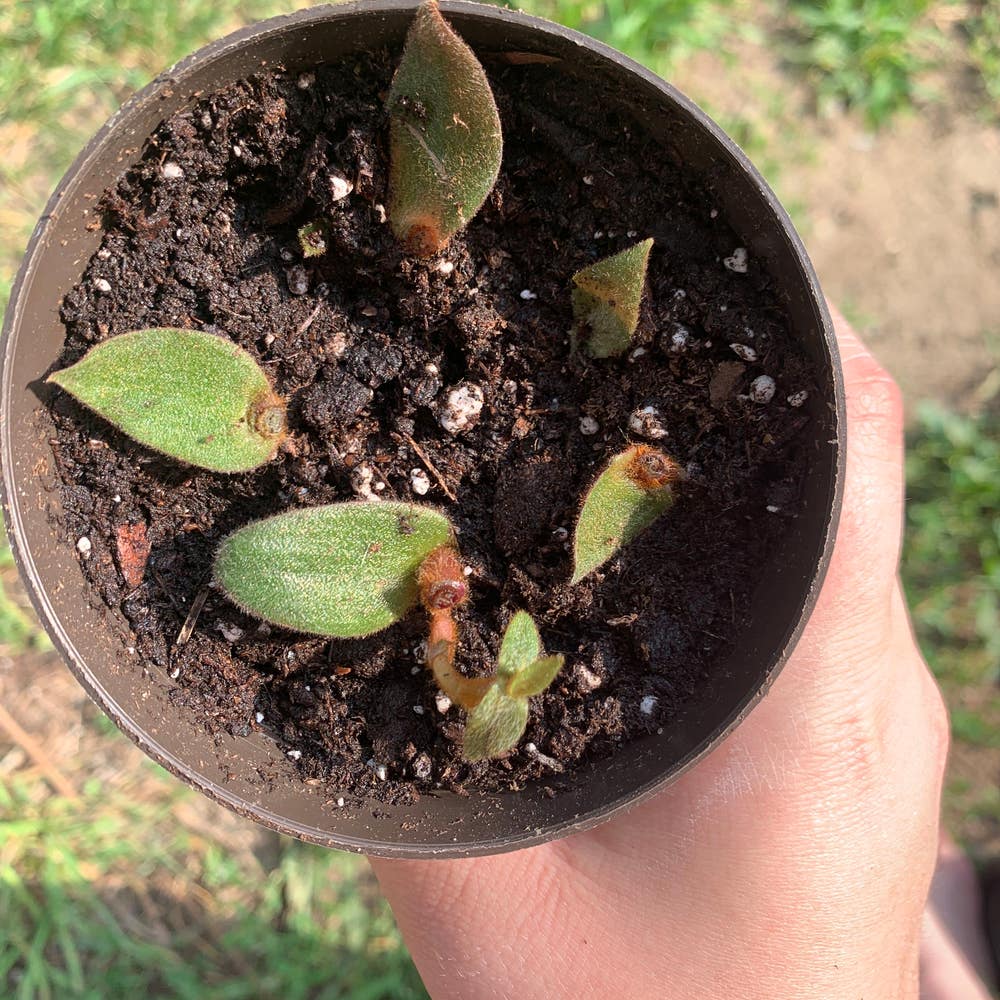
Best Light Conditions for Blue Mink 💙
Cyanotis pedunculata
By the Greg Editorial Team
Nov 26, 2024•5 min read
This article was created with the help of AI so we can cover more plants for you. May contain errors. See one? Report it here.
Master the light needs of your Blue Mink 🌱 for vibrant growth and stunning blooms all year round!
- 🌞 Blue Mink thrives in bright, indirect light for lush foliage and growth.
- 🪟 Position near east/north windows to avoid harsh sunlight and promote health.
- 💡 Aim for 6-8 hours of light daily; adjust during seasons for optimal growth.
Optimal Light Conditions for Growth
Bright Indirect Light 🌞
Blue Mink plants thrive in bright, filtered sunlight that closely resembles their natural habitat. This type of light is crucial as it encourages lush foliage while preventing the risk of leaf scorch.
For optimal growth, position your Blue Mink near east or north-facing windows. This placement ensures they receive the right amount of light without being overwhelmed by harsh rays.
Low Light Conditions 🌑
While Blue Mink can adapt to lower light conditions, this may lead to slower growth and less vibrant foliage. If you notice stretched stems, pale leaves, or reduced leaf size, these are signs that your plant is not getting enough light.
To help your plant thrive, periodically rotate it to brighter areas. This simple action can rejuvenate its growth and enhance its overall appearance.
With the right light conditions, your Blue Mink will flourish, setting the stage for the next section on indoor light guidance.
Indoor Light Guidance
Sunlight Exposure 🌞
For your Blue Mink, aim for 6-8 hours of bright indirect light each day. This exposure mimics its natural habitat and keeps the plant thriving.
Avoid direct sunlight, as it can lead to leaf burn and damage. Regularly monitor your plant for signs of stress, such as wilting or discoloration, to ensure it’s getting the right amount of light.
Light Duration ⏳
Consistency is key when it comes to daily light requirements. Maintaining a steady light duration helps replicate natural conditions, promoting healthy growth.
As seasons change, be prepared to adjust light duration. During the shorter winter days, consider using supplemental lighting to provide your Blue Mink with the brightness it craves.
With the right indoor light guidance, your Blue Mink can flourish beautifully, setting the stage for the next topic on outdoor light conditions.
Outdoor Light Guidance
Sunlight Exposure 🌞
For your Blue Mink, the ideal outdoor conditions are partial shade to filtered sunlight. This is especially crucial during peak afternoon hours when the sun is at its strongest.
Avoiding harsh midday sun is essential to protect the delicate leaves from scorching. Regularly assess the plant's placement to ensure it receives the right amount of light throughout the seasons.
Light Intensity 💡
When it comes to light intensity, aim for a moderate range between 1,000 to 2,000 foot-candles. This level of brightness supports healthy growth without overwhelming the plant.
If the sunlight is too intense, consider using shade cloth or natural barriers like trees or shrubs to diffuse the harsh rays. This simple adjustment can make a significant difference in maintaining your Blue Mink's vibrancy and health.
With the right outdoor light conditions, your Blue Mink can thrive beautifully, setting the stage for a flourishing indoor environment. Next, let’s explore how to optimize indoor light for your plant’s growth.
Flowering and Light
🌸 Flowering Potential
Blue Mink plants can surprise you with their flowering potential under optimal light conditions. While they are primarily grown for their stunning foliage, they may produce small flowers that are often overshadowed by their lush leaves.
💡 Role of Light
Light plays a crucial role in triggering flowering. Adequate exposure can encourage blooms, but remember, the main attraction remains the vibrant foliage.
⏰ Timing
Flowering typically occurs during the growing season when light conditions are just right. Keep an eye on your plant during this time, as it may reward you with delicate blooms amidst its beautiful leaves.
Understanding the relationship between light and flowering can enhance your care routine. As you nurture your Blue Mink, consider how light influences not just growth but also the potential for those charming flowers.
Next, let’s explore how to effectively use grow lights to ensure your plant thrives, especially during those darker months.
Using Grow Lights
Benefits 🌱
Grow lights are a game-changer for indoor gardening. They enhance growth during low natural light conditions, ensuring your plants thrive even when sunlight is scarce.
Consistency is key; grow lights provide a stable light source year-round. This is especially beneficial during winter months when natural light diminishes.
Types of Grow Lights 💡
When it comes to grow lights, there are two popular options to consider.
LED grow lights are energy-efficient and deliver the necessary light spectrum for optimal plant growth. They last longer and produce less heat, making them a favorite among indoor gardeners.
Fluorescent lights are another solid choice, particularly for smaller setups. They offer adequate light without generating excessive heat, making them suitable for delicate plants.
Placement and Duration ⏰
Proper placement of grow lights is crucial for maximizing their effectiveness. Position them 12-24 inches above your plants to ensure even light distribution.
For duration, aim for 12-16 hours of light per day. This mimics natural conditions and supports healthy growth.
Regularly monitor your plants' response to the light and adjust as needed. This will help you fine-tune your setup for the best results.
With the right grow lights in place, your plants will flourish, even in the darkest months. Now, let’s explore how to optimize light exposure for your indoor plants.
⚠️ Safety First
This content is for general information and may contain errors, omissions, or outdated details. It is not medical, veterinary advice, or an endorsement of therapeutic claims.
Always consult a qualified healthcare professional before using any plant as food, medicine, or supplement.
Never eat any plant (or feed one to pets) without confirming its identity with at least two trusted sources.
If you suspect poisoning, call Poison Control (800) 222-1222, the Pet Poison Helpline (800) 213-6680, or your local emergency service immediately.
Spotted an error? Please report it here.
Give your Blue Mink the light it craves 🌞 with Greg's tailored reminders and tips to ensure it thrives in bright, indirect light for stunning growth!