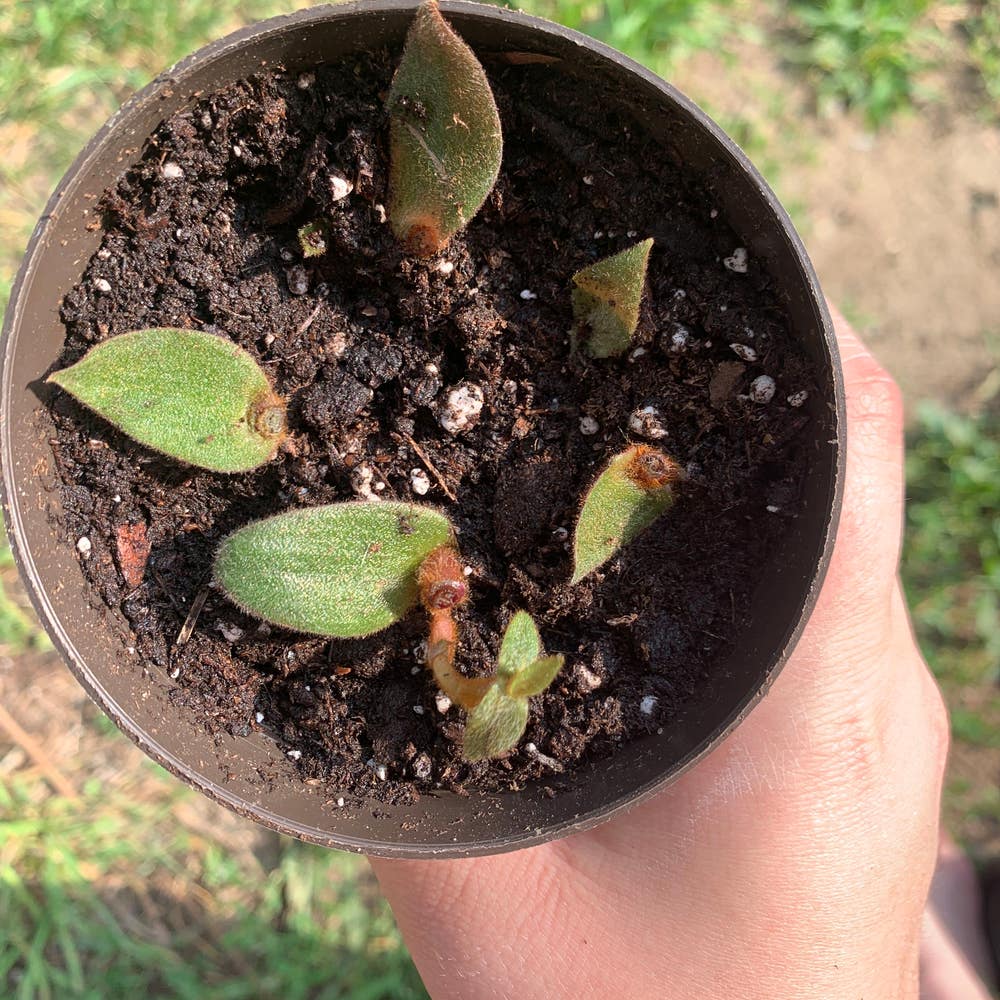
Best Tips for Dealing with Leaves Falling Over on Blue Mink 🦝
Cyanotis pedunculata
By the Greg Editorial Team
Nov 26, 2024•6 min read
This article was created with the help of AI so we can cover more plants for you. May contain errors. See one? Report it here.
Save your drooping Blue Mink plant 🌱 with these essential care tips for a vibrant, healthy life!
- 💧 Overwatering or underwatering causes drooping leaves; check soil moisture regularly.
- ☀️ Insufficient light leads to leggy growth; ensure at least six hours of sunlight daily.
- 🐛 Pests like aphids can damage leaves; inspect plants regularly for infestations.
Causes of Leaves Falling Over
🌊 Overwatering and Its Effects
Overwatering is a common issue that can lead to serious problems for your Blue Mink plant. Symptoms include yellowing leaves, mushy stems, and a foul odor emanating from the soil, indicating root rot.
Root rot can severely impact plant health, causing leaves to droop and potentially leading to the plant's demise if not addressed promptly.
💧 Underwatering and Dehydration
On the flip side, underwatering can also cause leaves to fall over. Signs of dehydration include crispy, dry leaves and noticeable wilting.
When a plant doesn't receive enough moisture, it experiences stress, which can result in drooping leaves and an overall unhealthy appearance.
💡 Insufficient Light Conditions
Insufficient light can weaken your Blue Mink, leading to drooping leaves. Symptoms of inadequate light include leggy growth, pale leaves, and a generally weak appearance.
Without enough light, the plant structure becomes compromised, making it more susceptible to drooping and other health issues.
🌫️ High Humidity Levels
High humidity can create a challenging environment for your plant. Symptoms include excess moisture on leaves and potential fungal growth.
If high humidity is combined with poor air circulation, it can lead to stress and drooping leaves, further complicating your plant care routine.
🐛 Pest Infestations
Common Pests
Pests can be a significant threat to your Blue Mink's health. Common culprits include aphids, which leave a sticky residue and cause curled leaves, and spider mites, identifiable by fine webbing and stippled leaves.
These pests sap nutrients from the plant, leading to drooping leaves and overall decline in health.
⚠️ Diseases
Root Rot
Root rot is a serious condition that can arise from overwatering and poorly draining soil. Symptoms include wilting despite adequate watering and a foul smell coming from the roots.
If you notice these signs, it's crucial to act quickly to prevent further damage to your plant.
Diagnosing the Problem
Signs of Overwatering vs. Underwatering 🌊
Identifying whether your Blue Mink is suffering from overwatering or underwatering is crucial. Overwatering typically presents as yellowing leaves and soggy soil, while underwatering leads to dry, crispy leaves and soil that pulls away from the pot.
Identifying Light Deficiency 💡
Light deficiency can significantly impact your plant's health. Look for signs such as leggy growth, pale foliage, and leaves that are falling over, indicating that your Blue Mink isn't getting enough light.
Recognizing Pest Damage 🐛
Pest infestations can wreak havoc on your plant. Keep an eye out for visible pests, leaf discoloration, and webbing; regular inspections of the undersides of leaves can help catch these issues early.
Assessing Soil Conditions 🌱
Soil conditions play a vital role in plant health. To assess moisture, stick your finger into the soil; if it feels wet, you may be overwatering. Additionally, ensure the soil texture is well-draining and not compacted to promote healthy root growth.
By diagnosing these issues early, you can take the necessary steps to restore your Blue Mink to its vibrant self. Next, we’ll explore effective solutions and treatments to address these common problems.
Solutions and Treatments
🌊 Adjusting Watering Practices
Establishing a consistent watering schedule is crucial for your Blue Mink's health. Start by checking the soil moisture regularly to determine when to water.
Use the finger test: insert your finger into the soil up to the first knuckle. If it feels dry, it’s time to water.
Ensure that your pots have drainage holes to prevent water from accumulating at the bottom. This simple step can save your plant from root rot.
💡 Improving Light Exposure
If your plant is struggling due to insufficient light, consider relocating it to a brighter area. A spot that receives ample natural light can make a significant difference.
For those with limited sunlight, using grow lights can effectively supplement your plant's light needs. This can help maintain its health and vigor.
🌫️ Increasing Humidity Levels
Maintaining adequate humidity is essential for Blue Mink. You can use a humidifier to keep the air moist, especially in dry environments.
Another effective method is to place pebble trays filled with water beneath your plants. Grouping plants together can also create a microclimate that enhances humidity levels.
🐞 Pest Control Methods
Organic Options
For pest control, consider using neem oil as a foliar spray. It’s a natural solution that can effectively combat common pests without harming your plant.
Insecticidal soap is another safe option for indoor use. It targets soft-bodied pests and can help keep your plant healthy.
Chemical Options
In cases of severe infestations, systemic insecticides may be necessary. Always follow the label instructions carefully to ensure safe application.
🦠 Treating Diseases
If your plant shows signs of disease, applying fungicides can help. Make sure to follow the product instructions for the best results.
Improving drainage is also vital if you suspect root rot. Repotting your plant in well-draining soil can significantly enhance its recovery chances.
By implementing these solutions and treatments, you can help your Blue Mink thrive and prevent future issues. Next, let’s explore some preventive measures to keep your plant healthy year-round.
Preventive Measures
🌊 Best Practices for Watering
To keep your Blue Mink healthy, water only when the top inch of soil feels dry. This simple practice helps prevent overwatering, which can lead to root rot.
Using room temperature water is also essential. Cold water can shock the plant, disrupting its growth and overall health.
🌱 Ideal Soil Mix
For optimal drainage, use a soil mix that consists of 50% potting soil, 30% perlite, and 20% compost. This combination ensures that your plant has the right balance of nutrients and aeration.
☀️ Recommended Light Conditions
Blue Mink thrives in full sun to partial shade. Aim for at least six hours of direct sunlight daily to promote robust growth and prevent drooping leaves.
🐞 Regular Pest Monitoring and Control
Make it a habit to inspect your plants weekly for any signs of pests. Early detection can save your plant from severe damage.
Implement preventive sprays during peak pest seasons. This proactive approach helps keep infestations at bay and your plant thriving.
🍂 Seasonal Care Tips
Adjust your watering frequency based on seasonal changes. Plants often require more water during their growing season and less during dormancy.
Don't forget to fertilize during the growing season. This boosts growth and helps maintain the plant's health, ensuring it remains vibrant and strong.
By following these preventive measures, you can create a nurturing environment for your Blue Mink. This foundation will help you tackle any issues that arise, leading to a flourishing plant.
⚠️ Safety First
This content is for general information and may contain errors, omissions, or outdated details. It is not medical, veterinary advice, or an endorsement of therapeutic claims.
Always consult a qualified healthcare professional before using any plant as food, medicine, or supplement.
Never eat any plant (or feed one to pets) without confirming its identity with at least two trusted sources.
If you suspect poisoning, call Poison Control (800) 222-1222, the Pet Poison Helpline (800) 213-6680, or your local emergency service immediately.
Spotted an error? Please report it here.
Keep your Blue Mink thriving 🌿 by using Greg's tailored care reminders to master watering, light, and pest control for a flourishing plant all year round!