10 Outdoor Care Hacks for Blue Mink 💧
Cyanotis pedunculata
By the Greg Editorial Team
Nov 26, 2024•6 min read
This article was created with the help of AI so we can cover more plants for you. May contain errors. See one? Report it here.
Transform your Blue Mink plants 🌱 into vibrant beauties with essential sunlight and care tips for every season!
- ☀️ Blue Mink needs 6-8 hours of sunlight daily for optimal growth.
- 💧 Water every 2-3 days during initial growth; established plants need less.
- 🌱 Use well-drained soil and mulch to prevent root rot and retain moisture.
Sunlight Needs
Ideal Exposure 🌞
Blue Mink thrives best in full sun to partial shade, requiring about 6-8 hours of sunlight daily. Insufficient sunlight can lead to stunted growth and a lackluster foliage color, which can be disheartening for any gardener.
Seasonal Changes 🍂
As the seasons change, so should your care routine. It's crucial to adjust your plant's exposure based on seasonal sunlight variations, ensuring they receive the right amount of light throughout the year.
Monitoring light exposure is essential, especially during the shorter days of winter. Keeping an eye on how the sunlight shifts can help you make necessary adjustments to keep your Blue Mink healthy and vibrant.
With the right sunlight conditions, your plants will flourish, setting the stage for the next important aspect of their care: watering requirements.
Watering Requirements
🌱 Initial Growth Phase
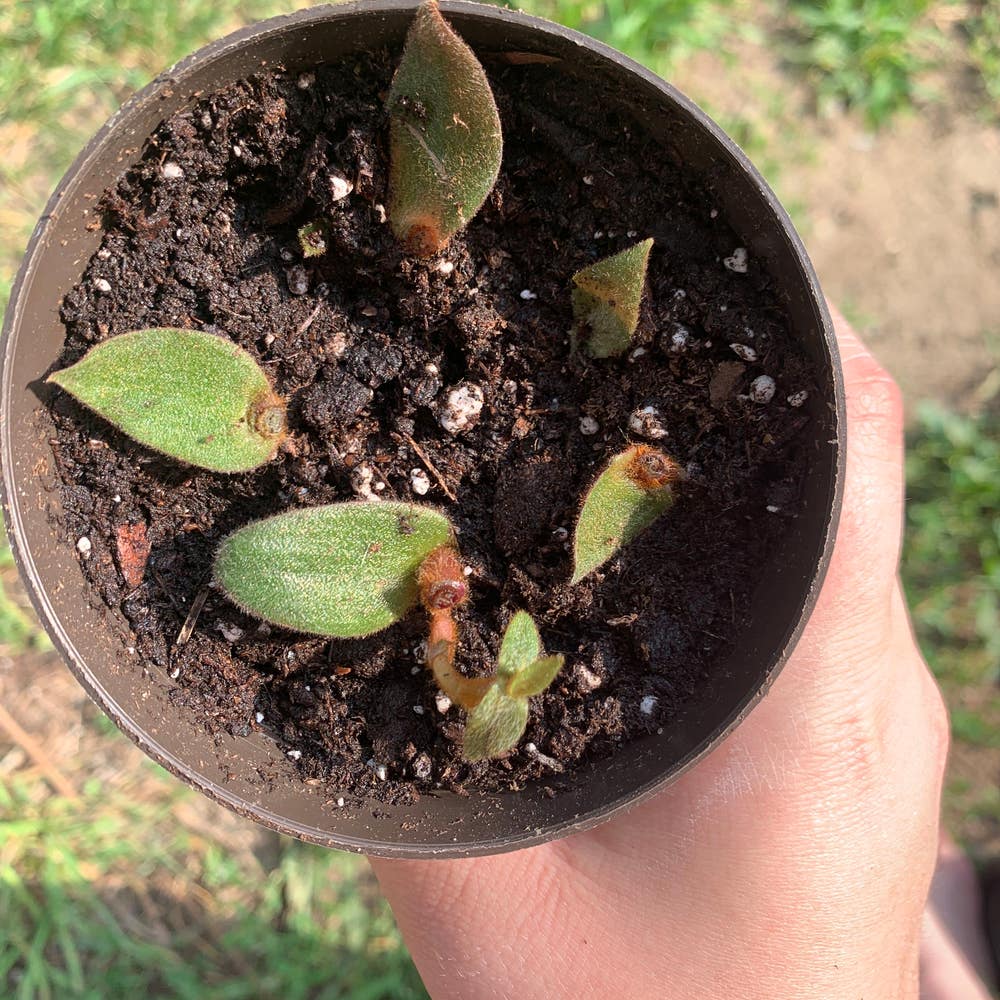
During the initial growth phase, it's crucial to keep the soil consistently moist but not waterlogged. Water your blue mink every 2-3 days for the first month after planting to establish a strong foundation.
🌿 Established Plants
Once your plants are established, they become more drought-tolerant and require less frequent watering. Watch for signs of underwatering, such as wilting leaves and dry soil, to ensure your plants remain healthy.
💧 Techniques
To promote robust root growth, practice deep watering techniques. Utilizing tools like soaker hoses or drip irrigation can enhance efficiency and ensure your plants receive the moisture they need without over-saturating the soil.
By mastering these watering requirements, you'll set your blue mink up for success. Next, let's explore the ideal soil preferences and fertilization strategies to further support their growth.
Soil Preferences and Fertilization
🌱 Ideal Conditions
For blue mink plants, well-drained soil is crucial. Proper drainage prevents root rot, which can devastate your plants.
The ideal soil pH for blue mink ranges from slightly acidic to neutral, specifically between 6.0 and 7.0. This pH range promotes optimal nutrient availability for healthy growth.
📅 Fertilization Schedule
When it comes to fertilization, a balanced NPK fertilizer, such as a 10-10-10 mix, is highly recommended. This ensures your plants receive the essential nutrients they need to thrive.
Timing is key: fertilize in early spring to kickstart growth and again in mid-summer to maintain vigor. This schedule supports robust foliage and vibrant blooms.
💧 Application Techniques
You can choose between granular and liquid fertilizers based on your preference. Granular fertilizers are easy to apply, while liquid options can provide a quick nutrient boost.
Always follow the package instructions for application rates. Over-fertilizing can harm your plants, so precision is essential for healthy growth.
In summary, understanding soil preferences and proper fertilization techniques is vital for the success of your blue mink plants. With the right conditions and care, you’ll set the stage for a flourishing garden.
Next, let’s explore the various planting options available for blue mink, including the pros and cons of container versus in-ground planting.
Planting Options
Container vs. In-Ground 🌱
When deciding between container and in-ground planting for your Blue Mink, consider the unique benefits and challenges each option presents.
Container Planting 🪴
Container planting offers remarkable mobility, allowing you to reposition your plants to optimize sunlight or protect them from harsh weather. You also have greater control over soil quality, ensuring your Blue Mink thrives in the ideal conditions.
However, this method comes with its drawbacks. Limited root space can restrict growth, and you'll need to water more frequently to keep the soil consistently moist.
In-Ground Planting 🌍
In-ground planting provides ample space for root expansion, which is crucial for the long-term health of your Blue Mink. Additionally, the natural moisture retention of the ground can reduce your watering efforts, making it easier to maintain healthy plants.
On the flip side, this method offers less control over soil conditions, which can lead to challenges. Your plants may also be more vulnerable to pests, requiring vigilant monitoring and management.
Choosing the right planting option ultimately depends on your gardening style and the specific needs of your Blue Mink. Consider your environment and how much time you can dedicate to care, and you'll set your plants up for success.
Next, let’s explore effective protection strategies and seasonal care to keep your Blue Mink thriving throughout the year.
Protection Strategies and Seasonal Care
🌦️ Weather Protection
To keep your blue mink thriving, consider using mulching and windbreaks. Mulch helps retain soil moisture and regulate temperature, while windbreaks can shield your plants from harsh winds.
🐞 Outdoor Pests
Be on the lookout for common pests like aphids and spider mites. These little invaders can wreak havoc, but you can combat them with organic solutions such as neem oil or by introducing beneficial insects like ladybugs.
🌱 Seasonal Care
Spring
Spring is the perfect time for pruning and fertilization. Trim away any dead or damaged growth and give your plants a nutrient boost to encourage healthy growth.
Summer
As temperatures rise, increase your watering routine and stay vigilant against pests. Regular checks can help you catch any infestations early, ensuring your plants remain healthy.
Fall
Prepare for cooler temperatures by mulching around your plants. This will help insulate the roots and protect them from the impending chill.
Winter
In winter, focus on insulating roots and caring for container plants. If your blue mink is in a pot, consider moving it to a sheltered location to prevent freezing.
By following these protection strategies and seasonal care tips, you can ensure your blue mink remains vibrant and healthy throughout the year. Next, let’s explore climate zone considerations to further tailor your care approach.
Climate Zone Considerations
Best Zones 🌍
Blue Mink thrives best in USDA hardiness zones 4-9. Understanding your local climate is crucial for successful growth.
Adjusting Care 🔧
Tailor your watering and fertilization practices to match regional weather patterns. This ensures your plants receive the right amount of nutrients and moisture.
Extreme Weather 🌪️
Prepare for heat waves by providing extra shade and moisture. When frost threatens, protect your plants with coverings or move containers indoors.
By adapting your care strategies to the climate, you can help your Blue Mink flourish no matter the conditions. Next, let’s explore effective protection strategies and seasonal care to keep your plants healthy year-round.
⚠️ Safety First
This content is for general information and may contain errors, omissions, or outdated details. It is not medical, veterinary advice, or an endorsement of therapeutic claims.
Always consult a qualified healthcare professional before using any plant as food, medicine, or supplement.
Never eat any plant (or feed one to pets) without confirming its identity with at least two trusted sources.
If you suspect poisoning, call Poison Control (800) 222-1222, the Pet Poison Helpline (800) 213-6680, or your local emergency service immediately.
Spotted an error? Please report it here.
Keep your Blue Mink thriving year-round 🌞 with Greg's tailored watering reminders and expert care tips that make plant parenting a breeze!