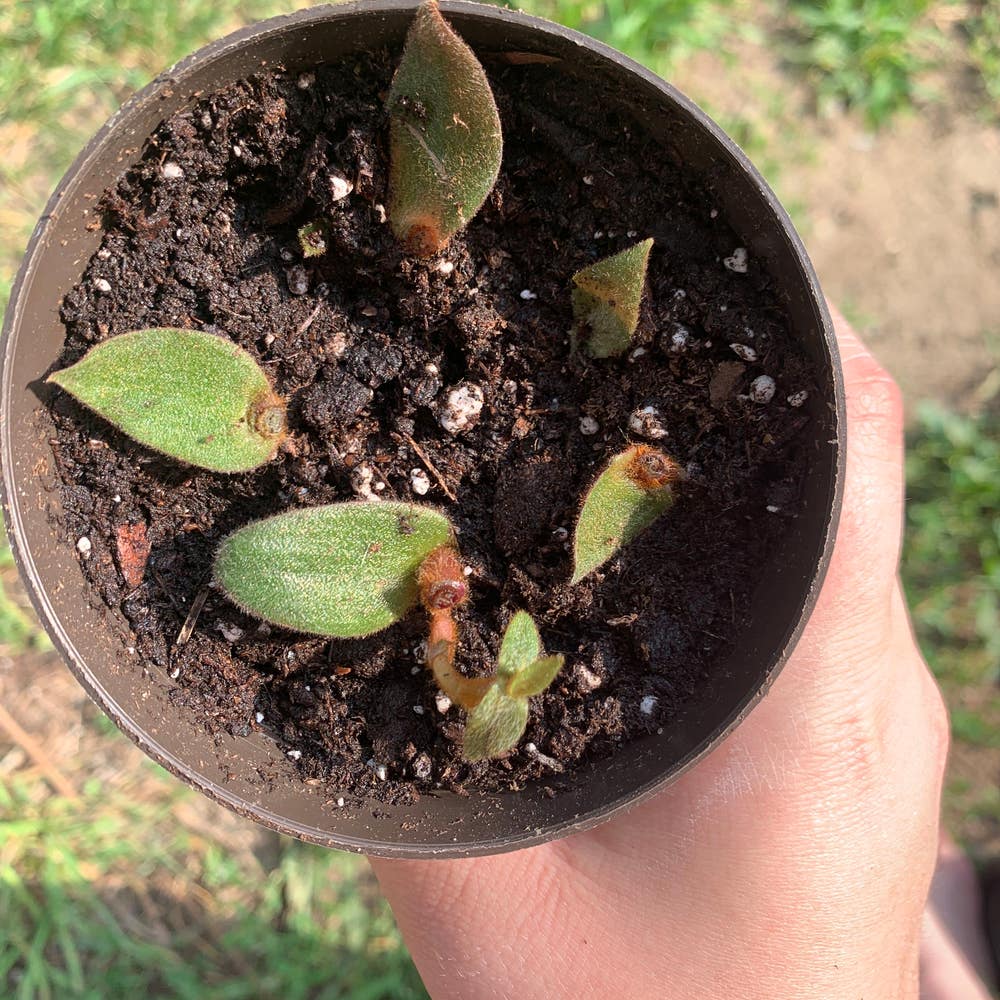
Blue Mink Hardiness Zones: 10a-12b
Cyanotis pedunculata
By the Greg Editorial Team
Nov 26, 2024•5 min read
This article was created with the help of AI so we can cover more plants for you. May contain errors. See one? Report it here.
Master the temperature needs of Blue Mink 🌱 to cultivate vibrant, thriving plants in your garden!
- 🌞 Blue Mink thrives in USDA zones 10a-12b, perfect for warm climates.
- 🌡️ Ideal growth temperature is 70°F to 85°F (21°C to 29°C) for optimal health.
- ❄️ Avoid frost exposure; understand local frost dates to protect Blue Mink plants.
Temperature Tolerance for Blue Mink
❄️ Cold Tolerance Specifics
Blue Mink plants can tolerate cold temperatures, but they thrive best when temperatures remain above 30°F (-1°C). Prolonged exposure to colder conditions can stress the plant, making it crucial to ensure frost-free periods for optimal growth.
Frost poses a significant threat to Blue Mink, as it can damage leaves and stunt growth. Understanding frost dates in your area is essential for protecting your plants and ensuring they flourish.
🔥 Heat Tolerance Specifics
On the flip side, Blue Mink loves warmth and thrives in temperatures above 70°F (21°C). These plants are well-adapted to handle heat stress, employing various mechanisms to maintain their health during hotter months.
They can manage high temperatures by utilizing their deep root systems to access moisture and by adjusting their leaf orientation to minimize sun exposure. This adaptability allows them to flourish even in warmer climates.
🌡️ Ideal Temperature Ranges for Optimal Growth
For the best growth and flowering, Blue Mink prefers consistent temperatures within the range of 70°F to 85°F (21°C to 29°C). These conditions promote vigorous growth and vibrant blooms.
Maintaining stable temperatures is vital, as fluctuations can lead to stress and hinder plant health. Consistency in temperature helps ensure that Blue Mink remains robust and productive throughout the growing season.
Understanding these temperature tolerances will empower you to create the ideal environment for your Blue Mink plants, setting the stage for successful cultivation. Next, we will explore the ideal growing regions for Blue Mink, highlighting the states where these plants can truly thrive.
Ideal Growing Regions
🌍 Examples of US States in Zones 10a-12b
Blue Mink thrives in several states that fall within USDA hardiness zones 10a to 12b. Notable states include California, Florida, Texas, Hawaii, and parts of Arizona.
These regions boast warm climates, with mild winters and plenty of sunshine, creating ideal conditions for Blue Mink growth. The consistent temperatures and extended growing seasons in these areas allow for vibrant flowering and lush foliage.
🌱 Factors Contributing to Ideal Growing Conditions
Soil Requirements
For optimal growth, Blue Mink prefers well-draining, fertile soil. A rich soil composition supports healthy root development and nutrient uptake.
Sunlight Exposure
Full sun is essential for Blue Mink, requiring 6-8 hours of direct sunlight daily. This exposure promotes robust growth and vibrant blooms.
Moisture Levels
Consistent moisture is crucial, but it's important to avoid waterlogging. Blue Mink thrives in environments where the soil remains moist yet well-drained, ensuring the roots receive adequate hydration without drowning.
Understanding these factors can significantly enhance your success in cultivating Blue Mink. By selecting the right location and conditions, you can enjoy the beauty and resilience of this stunning plant.
As we explore further, let's delve into the fascinating world of microclimates and how they can impact the growth of Blue Mink.
Microclimates and Their Impact
🌤️ Understanding Microclimates
Microclimates are small areas where the climate conditions differ significantly from the surrounding environment. These variations can be influenced by factors such as elevation, proximity to water, and urban development.
🌱 Extending the Growing Range for Blue Mink
Microclimates can create ideal conditions for Blue Mink, allowing it to thrive in areas that might otherwise be unsuitable. For instance, urban heat islands can raise temperatures, while sheltered spots can protect plants from harsh winds and frost.
🌍 Examples of Beneficial Microclimates
In California, coastal areas often experience milder temperatures due to ocean breezes, making them perfect for Blue Mink. Similarly, Florida's subtropical climate, combined with its diverse landscapes, creates numerous microclimates that support this plant's growth.
🔍 Identifying and Utilizing Microclimates
Gardeners can enhance their cultivation of Blue Mink by recognizing these unique climate pockets. Look for areas that receive full sun, are shielded from strong winds, or have consistent moisture levels.
By strategically planting in these microclimates, you can maximize the health and productivity of your Blue Mink. Understanding and leveraging these localized conditions can lead to a flourishing garden, even in less-than-ideal overall climates.
As we explore further, let’s dive into the specific states that provide the best growing conditions for Blue Mink.
State-Level Suitability Analysis
Suitable States for Blue Mink (Zones 10a-12b) 🌞
Blue Mink thrives in USDA hardiness zones 10a to 12b, making certain states ideal for its growth. The top contenders include:
- California: With its warm Mediterranean climate, California offers long growing seasons and ample sunlight.
- Florida: Known for its subtropical climate, Florida provides the humidity and warmth Blue Mink loves.
- Texas: The diverse climate across Texas allows for optimal conditions in many regions, especially in the southern parts.
- Hawaii: The tropical climate ensures consistent warmth and moisture, perfect for Blue Mink.
- Arizona: While hot, the dry climate can be beneficial, provided there is adequate watering.
These states provide the right mix of warmth, sunlight, and moisture, creating a nurturing environment for Blue Mink to flourish.
Unsuitable States and Reasons 🚫
On the flip side, several states fall outside the ideal growing zones for Blue Mink. These include:
- New York
- Michigan
- Minnesota
These states face significant climate challenges, such as:
- Cold Temperatures: Winters can be harsh, with temperatures dropping well below the tolerable range for Blue Mink.
- Frost Risks: The likelihood of frost can severely damage the plant, making it unsuitable for cultivation.
- Unsuitable Growing Conditions: The overall climate does not support the consistent warmth and moisture Blue Mink requires.
Importance of Frost Dates ❄️
Understanding frost dates is crucial for successful gardening. The first and last frost dates dictate when you can safely plant and harvest Blue Mink.
To avoid frost damage, gardeners should:
- Know Your Dates: Research local frost dates to plan your planting schedule.
- Timing is Key: Plant Blue Mink after the last frost in spring and consider early harvesting before the first frost in fall.
By being mindful of these factors, you can ensure a thriving Blue Mink garden, maximizing your chances for a successful growing season.
⚠️ Safety First
This content is for general information and may contain errors, omissions, or outdated details. It is not medical, veterinary advice, or an endorsement of therapeutic claims.
Always consult a qualified healthcare professional before using any plant as food, medicine, or supplement.
Never eat any plant (or feed one to pets) without confirming its identity with at least two trusted sources.
If you suspect poisoning, call Poison Control (800) 222-1222, the Pet Poison Helpline (800) 213-6680, or your local emergency service immediately.
Spotted an error? Please report it here.
Cultivating Blue Mink plants 🌱 is a breeze with Greg's personalized care reminders, ensuring they thrive in warm climates with the right moisture, sunlight, and soil conditions!