How Long Your Blue Mink Will Live 🐢
Cyanotis pedunculata
By the Greg Editorial Team
Nov 26, 2024•5 min read
This article was created with the help of AI so we can cover more plants for you. May contain errors. See one? Report it here.
Unlock the secrets of blue mink growth 🌱 to cultivate a thriving garden and enjoy vibrant blooms all season long! 🌼
- 🌱 Blue mink seeds germinate in 7-14 days under optimal conditions for growth.
- 🌞 Temperature and indirect sunlight are crucial for healthy blue mink development.
- 🌿 Life cycle spans 4-6 months, from germination to maturity, ensuring successful propagation.
Germination Stage
🌱 Duration of Germination
Germination is the first crucial step in the life cycle of your blue mink. Typically, this process takes about 7-14 days, depending on the conditions provided.
For optimal germination, maintain warm temperatures between 20-25°C (68-77°F). This warmth encourages the seeds to sprout and sets the stage for healthy growth.
🌿 Conditions for Successful Germination
To ensure successful germination, focus on the soil. It should be well-draining and moist, allowing the seeds to access the necessary nutrients without becoming waterlogged.
Light exposure is also vital. Provide indirect sunlight to prevent the soil from drying out, which can hinder the germination process.
Lastly, keep moisture levels consistent. This balance is key; too much water can drown the seeds, while too little can cause them to dry out.
With the right conditions, your seeds will thrive, paving the way for the next stages of growth. As they germinate, you'll be one step closer to witnessing the full life cycle of your blue mink.
Seedling Stage
Length of Seedling Stage 🌱
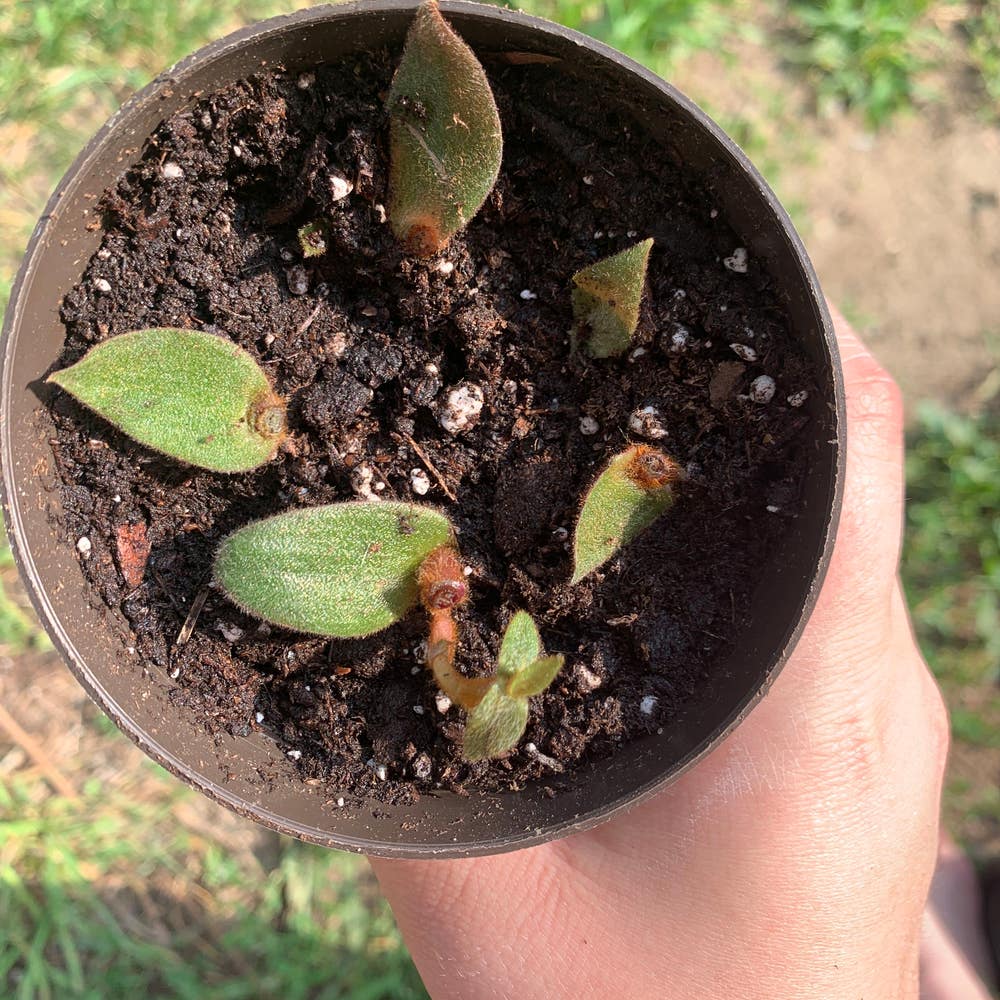
The seedling stage typically lasts between 2 to 4 weeks. This is the period when your blue mink begins to develop true leaves, marking a significant step in its growth.
Key Characteristics of Seedlings 🌿
During this stage, seedlings exhibit distinct characteristics. Initially, they produce cotyledons, which are the first leaves, followed by the emergence of true leaves.
Seedlings usually reach a height of about 2 to 4 inches. Their bright green color is a strong indicator of healthy growth, signaling that your plant is thriving.
As you observe your seedlings, take note of their rapid development. This stage is crucial for setting the foundation for future growth and flowering.
Understanding the seedling stage helps you appreciate the journey of your blue mink. With the right care, these young plants will soon transition into the vegetative growth stage, where their potential truly unfolds.
Vegetative Growth Stage
Duration of Vegetative Growth 🌱
The vegetative growth stage lasts between 4 to 8 weeks. This timeframe can vary significantly based on environmental conditions, such as light, temperature, and soil quality.
Changes in Plant Structure and Health 🌿
During this stage, you'll notice a rapid increase in both height and leaf production. The plant is in its prime, showcasing vigorous growth that sets the foundation for future stages.
Leaf Characteristics 🍃
As the plant matures, the texture and size of the leaves undergo noticeable changes. They become more pronounced, indicating that the plant is thriving and adapting to its environment.
Overall Health Indicators 🌼
Healthy plants exhibit darker green foliage and robust stem development. These characteristics are essential indicators of a plant's vitality and readiness for the next growth phase.
The vegetative growth stage is crucial for establishing a strong plant structure. Understanding these changes can help you optimize care and ensure a successful transition to the flowering stage.
Flowering Stage
Timeframe for Flowering 🌼
The flowering stage typically lasts 6-8 weeks from the moment flowering begins. This period is crucial as it marks the transition from vegetative growth to reproductive maturity.
Description of Flowering Process 🌸
Flowering initiation occurs due to changes in day length and temperature. As days get longer and temperatures rise, plants respond by producing flowers.
Flower Characteristics
The blooms that emerge during this stage are not just beautiful; they serve a vital role in attracting pollinators. These unique flowers come in various shapes and colors, each designed to entice bees, butterflies, and other beneficial insects.
Pollination Process
Pollination is a fascinating process that can involve both self-pollination and cross-pollination. This dual approach increases genetic diversity and enhances the chances of successful seed production.
As the flowering stage unfolds, the plant showcases its vibrant blooms, setting the stage for the next critical phase: seed production. Understanding this stage is essential for appreciating the entire life cycle of your blue mink.
Seed Production Stage
Length of Seed Production 🌱
The seed production stage lasts about 4-6 weeks after flowering. During this time, seeds mature, preparing for the next generation of plants.
Importance of Seed Production in Life Cycle 🌍
Seeds play a crucial role in propagation, allowing for the generation of new plants. Additionally, they contribute significantly to the ecosystem by supporting local wildlife and enhancing plant diversity.
Overall Lifespan and Growth Rate ⏳
From germination to maturity, the entire life cycle of a blue mink plant takes approximately 4-6 months.
Factors such as soil quality, light conditions, and water availability can significantly affect growth rates.
In ideal conditions, plants thrive and grow faster compared to suboptimal environments, showcasing the importance of proper care.
Notable Changes Throughout Life Cycle 🌿
Throughout its life cycle, the blue mink plant undergoes several physical changes. You’ll notice the emergence of leaves, development of the root system, and an increase in leaf size as it matures.
Color, size, and structure also evolve, with leaf colors transitioning and height increasing, especially during flowering.
Environmental factors like temperature fluctuations, soil moisture levels, and light exposure can impact these changes, highlighting the delicate balance plants maintain with their surroundings.
As we explore the fascinating journey of the blue mink plant, we can appreciate the intricate processes that contribute to its growth and survival. Next, we will delve into the notable changes that occur throughout its life cycle, shedding light on the beauty of its development.
⚠️ Safety First
This content is for general information and may contain errors, omissions, or outdated details. It is not medical, veterinary advice, or an endorsement of therapeutic claims.
Always consult a qualified healthcare professional before using any plant as food, medicine, or supplement.
Never eat any plant (or feed one to pets) without confirming its identity with at least two trusted sources.
If you suspect poisoning, call Poison Control (800) 222-1222, the Pet Poison Helpline (800) 213-6680, or your local emergency service immediately.
Spotted an error? Please report it here.
Ensure your blue mink thrives through its entire life cycle 🌱 by using Greg's personalized care reminders and tailored watering plans to support its growth every step of the way!