🌸 Step-by-Step Guide to Blue Mink Flowers
Cyanotis pedunculata
By the Greg Editorial Team
Nov 26, 2024•5 min read
This article was created with the help of AI so we can cover more plants for you. May contain errors. See one? Report it here.
Unlock the secret to vibrant Blue Mink blooms 🌼 and transform your garden with expert care tips and insights!
- 🌼 Blue Mink flowers are small and tubular, blooming in purple or lavender spikes.
- 🌞 Insufficient light and nutrient imbalances can limit flowering potential. Adjust care accordingly.
- 🌱 Environmental stressors like temperature and drought affect blooming. Maintain ideal conditions.
Flowering Status
🌸 Clarification on Flower Production
Blue Mink is indeed capable of producing flowers, although it is primarily cherished for its lush foliage. Under optimal conditions, you might witness its occasional flowering, adding a delightful surprise to its otherwise green display.
❌ Reasons for Non-Flowering
Several factors can prevent Blue Mink from blooming as expected.
💡 Insufficient Light
While Blue Mink thrives in shaded areas, this preference can limit its flowering potential.
⚖️ Nutrient Imbalance
Both over-fertilization and a lack of essential nutrients can disrupt bloom production.
🌡️ Environmental Stress
Temperature fluctuations and drought conditions can also inhibit flowering, causing the plant to focus on survival rather than reproduction.
Understanding these factors can help you create a more conducive environment for your Blue Mink to flourish, both in foliage and flowers.
If Blue Mink Flowers
🌸 Flower Characteristics
Description of Flower Colors and Structure
Blue Mink flowers are a delightful sight, featuring small, tubular blooms that typically showcase shades of purple or lavender. These flowers are arranged in spikes, creating a visually appealing display that adds charm to any garden.
Self-Pollination vs. External Pollination
When it comes to pollination, Blue Mink has a unique approach. It can self-pollinate, but it also attracts external pollinators, making it versatile in its reproductive strategy.
🌼 Blooming Process
Stages of Blooming and Typical Bloom Time
The blooming process of Blue Mink unfolds in several stages:
- Bud formation: This is the initial development of flower spikes.
- Opening of buds: Here, the buds transition into visible flowers.
- Full bloom: This stage marks the peak flowering period.
Typically, Blue Mink blooms during the warmer months, with peak blooming periods varying based on environmental conditions.
Duration from Bud Formation to Full Bloom
On average, it takes about 4 to 6 weeks for Blue Mink to progress from bud formation to full bloom. This timeframe allows for a gradual and beautiful display of flowers.
Lifespan of Flowers
Once fully opened, Blue Mink flowers usually last for about 1 to 2 weeks. This lifespan allows for a prolonged enjoyment of their beauty before they fade.
🌱 Encouraging Blooms
Tips to Encourage Flowering
To promote blooming in Blue Mink, consider these care practices:
- Adequate light exposure: Ensure the plant receives sufficient indirect sunlight.
- Balanced fertilization: Use a suitable fertilizer during the growing season to support healthy growth.
- Regular watering: Maintain consistent moisture without overwatering to keep the plant thriving.
Factors Influencing Flowering
Several environmental factors can impact flowering:
- Temperature: Blue Mink thrives in ideal temperature ranges, which are crucial for blooming.
- Humidity levels: Maintaining appropriate humidity is essential for the blooming process.
🌿 Post-Flowering
What Happens After the Flowering Period
After the flowering period, Blue Mink continues to grow rather than die off. The plant may enter a phase of dormancy or continue its lush growth, depending on the care it receives and environmental conditions.
This resilience makes Blue Mink a fantastic addition to any garden, ensuring that even without flowers, it remains a vibrant and attractive plant.
If Blue Mink Doesn't Flower
🌿 Primary Ornamental or Functional Features
Blue Mink is celebrated for its lush, textured foliage that often features stunning variegation. These leaves create a vibrant backdrop, making it a popular choice for both indoor and outdoor gardening.
Its adaptability to shaded areas enhances its appeal, allowing gardeners to incorporate it into spaces where other plants might struggle. Whether used as ground cover or in decorative pots, Blue Mink adds a touch of elegance to any setting.
🌱 Reproduction Methods Without Flowers
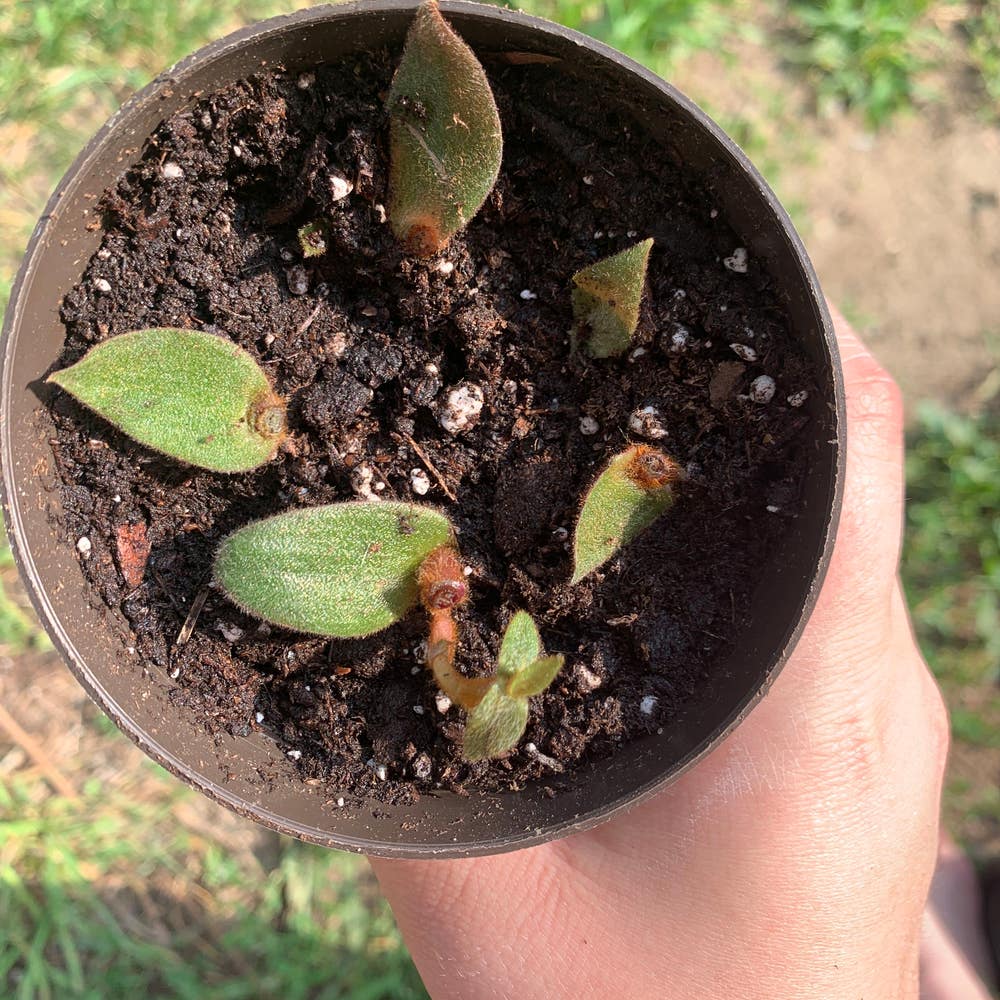
Even without flowers, Blue Mink has a remarkable way of reproducing. It primarily relies on vegetative propagation, which involves using cuttings or offsets to create new plants.
This method is not only efficient but also ensures that the new plants maintain the same desirable traits as the parent. As a result, gardeners can easily expand their collection without waiting for blooms.
In summary, Blue Mink's ornamental value and unique reproduction methods make it a fascinating addition to any garden, regardless of its flowering status.
Unique Aspects
🌼 Unusual Characteristics Related to Flowering or Non-Flowering Nature
Blue Mink is a fascinating plant that stands out due to its unique combination of lush foliage and sporadic flowering. While many flowering plants prioritize blooms, Blue Mink is primarily celebrated for its vibrant, textured leaves, which can be variegated and add a striking visual element to any garden.
Its occasional flowers, though beautiful, are not the main attraction. This characteristic allows Blue Mink to thrive in shaded environments where other plants might struggle, making it a versatile choice for indoor and outdoor spaces.
🤔 Interesting Facts or Trivia About Reproductive Strategy
Did you know that Blue Mink can reproduce without flowers? This plant employs vegetative propagation, using cuttings or offsets to create new plants. This method not only ensures its survival but also allows gardeners to easily expand their collection.
Additionally, Blue Mink's life cycle is intriguing. Its flowering habits, or lack thereof, contribute to its appeal, as the focus remains on its stunning foliage. This unique reproductive strategy allows it to flourish in various conditions, making it a resilient choice for plant enthusiasts.
⚠️ Safety First
This content is for general information and may contain errors, omissions, or outdated details. It is not medical, veterinary advice, or an endorsement of therapeutic claims.
Always consult a qualified healthcare professional before using any plant as food, medicine, or supplement.
Never eat any plant (or feed one to pets) without confirming its identity with at least two trusted sources.
If you suspect poisoning, call Poison Control (800) 222-1222, the Pet Poison Helpline (800) 213-6680, or your local emergency service immediately.
Spotted an error? Please report it here.
Unlock your Blue Mink's blooming potential 🌼 with Greg's tailored care reminders for optimal light, nutrients, and watering, ensuring your plant dazzles with its stunning foliage and flowers!