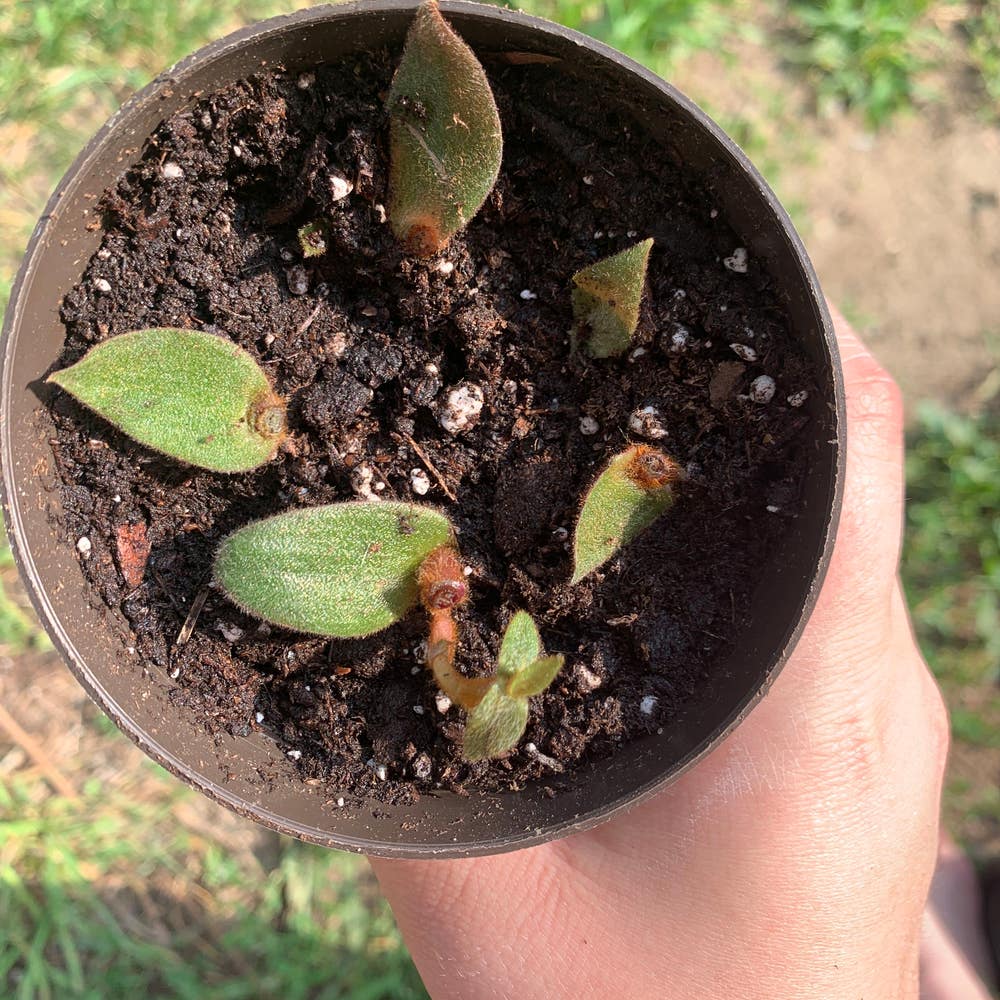
How to Cure Curling Leaves on Your Blue Mink 🍃
Cyanotis pedunculata
By the Greg Editorial Team
Nov 26, 2024•6 min read
This article was created with the help of AI so we can cover more plants for you. May contain errors. See one? Report it here.
Revive your Blue Mink's vitality 🌱 by learning to diagnose and treat curling leaves with ease!
- 🌬️ Maintain humidity between 40%-60% to prevent curling leaves on your Blue Mink.
- 🌡️ Optimal temperature is 65°F to 80°F for healthy Blue Mink growth and stress prevention.
- 🐜 Inspect for pests like aphids and spider mites to avoid leaf curling issues.
Causes of Curling Leaves
🌬️ Environmental Stress Factors
Humidity plays a crucial role in the health of your Blue Mink. Ideally, you want to maintain humidity levels between 40% and 60% to prevent stress that leads to curling leaves.
Temperature is another key factor. The optimal range for your plant is between 65°F to 80°F (18°C to 27°C). When temperatures stray too far from this range, you may notice signs of environmental stress, such as leaf curling, browning edges, and wilting.
🐜 Pest Infestations
Common Pests
Aphids are notorious for causing damage to plants. Look for signs like sticky residue on leaves and distorted growth, which indicate an infestation.
Spider mites can also wreak havoc. You can identify them by fine webbing on the leaves and yellow speckling, both signs that they are feeding on your plant.
Damage Caused by Pests
Pests contribute to leaf curl by feeding on the sap of your Blue Mink. This feeding weakens the plant structure, making it more susceptible to stress and further damage.
🥦 Nutrient Deficiencies
Key Nutrients
Nitrogen is essential for healthy growth. Symptoms of nitrogen deficiency include yellowing leaves and stunted growth, which can lead to curling.
Potassium is another vital nutrient. When deficient, you may notice leaf curling and browning tips, both indicators that your plant needs a nutrient boost.
Diagnosis of Nutrient Issues
To diagnose nutrient issues, soil testing is key. Assess both pH and nutrient levels to determine what your Blue Mink might be lacking.
💧 Watering Issues
Overwatering vs. Underwatering
Overwatering can lead to yellowing leaves and mushy roots, signaling that your plant is drowning. Conversely, underwatering results in dry, crispy leaves and wilting, indicating your plant is thirsty.
Best Practices for Watering
Establishing a consistent watering schedule is crucial. Aim to allow the top inch of soil to dry out between waterings to maintain a healthy moisture balance.
🍄 Fungal Infections
Fungal infections can also cause curling leaves. Common issues include root rot and leaf spot diseases, which manifest as dark spots, wilting, and leaf curl.
Understanding these causes is the first step in addressing curling leaves on your Blue Mink. By identifying the underlying issues, you can take proactive measures to restore your plant's health and vitality. Next, we'll explore how to diagnose these curling leaves effectively.
Diagnosing Curling Leaves
🌿 Identifying Symptoms
When diagnosing curling leaves on your Blue Mink, start by observing the direction of the curl. Leaves may curl upward or downward, and discoloration can indicate underlying issues.
🐛 Differentiating Between Pest Damage and Environmental Stress
Next, differentiate between pest damage and environmental stress. Look for pests like aphids or spider mites; their presence usually signals a pest problem, while environmental factors often lead to broader symptoms like wilting or browning.
💧 Assessing Soil Moisture and Nutrient Levels
Soil moisture is crucial for plant health. Use a moisture meter or your finger to check if the soil is too dry or too wet, as both extremes can cause leaf curling.
Nutrient levels also play a significant role in leaf health. Observe your plant's growth and leaf condition; yellowing leaves may indicate a nutrient deficiency that needs addressing.
☀️ Observing Plant Placement and Light Exposure
Light conditions are vital for your Blue Mink's well-being. Ensure your plant receives adequate light, as insufficient exposure can lead to stress and curling leaves.
If your plant isn't thriving, consider adjusting its placement. Moving it to a brighter location can make a significant difference in its overall health and appearance.
By carefully diagnosing these factors, you can take the necessary steps to restore your Blue Mink to its vibrant self. Next, let’s explore effective treatment methods to address curling leaves.
Treating Curling Leaves
🐞 Step-by-Step Pest Control Methods
Dealing with pests is crucial for restoring your Blue Mink's health. Start by regularly inspecting your plant for any signs of infestation.
- Inspecting the plant for pests: Look for sticky residues or distorted leaves, which indicate aphids or spider mites.
- Applying insecticidal soap or neem oil: These are safe and effective options. Make sure to follow the application instructions closely for the best results.
- Introducing beneficial insects: Ladybugs and predatory mites can help control pest populations naturally.
💧 Adjusting Watering Practices
Watering is a key factor in plant health. Establish a consistent watering schedule to ensure your Blue Mink thrives.
- Guidelines for frequency and amount: Allow the top inch of soil to dry out between waterings. This helps prevent both overwatering and underwatering.
🌱 Fertilization Techniques for Nutrient Deficiencies
Nutrient deficiencies can lead to curling leaves. Use the right fertilizers to keep your plant nourished.
- Recommended fertilizers: Look for balanced NPK ratios specifically suited for Blue Mink.
- Application timing: Fertilize during the growing season for optimal growth and recovery.
🌡️ Managing Humidity and Temperature for Optimal Growth
Humidity and temperature play significant roles in plant health. Adjust these factors to create a comfortable environment for your Blue Mink.
- Methods to increase humidity: Consider misting your plant, using humidifiers, or placing pebble trays filled with water nearby.
- Temperature management: Keep your plant away from drafts and heat sources to maintain a stable temperature.
🍄 Treating Fungal Infections with Appropriate Fungicides
Fungal infections can be detrimental to your plant's health. Identifying and treating these issues promptly is essential.
- Identifying suitable fungicides: Choose between organic and chemical options based on your preference.
- Application instructions: Follow the recommended frequency and method of application to effectively combat fungal issues.
By addressing these areas, you can effectively treat curling leaves on your Blue Mink and promote its overall health. Next, let’s explore how to prevent curling leaves from occurring in the first place.
Preventing Curling Leaves
🌱 Best Practices for Care
Regular maintenance is essential for keeping your Blue Mink healthy. Pruning dead or damaged leaves and cleaning dust off the foliage can significantly enhance air circulation and light absorption.
🔍 Regular Monitoring for Pests and Diseases
Setting a schedule for inspections is crucial. Aim for weekly checks to catch any signs of pests or diseases early, ensuring your plant remains vibrant and thriving.
🌤️ Creating a Stable Environment
Your plant's environment plays a vital role in its health. Consistent light, temperature, and humidity levels create ideal conditions for growth, helping to prevent curling leaves.
🌿 Soil Health and Amendments
Well-draining soil is a must for Blue Mink. Consider using a mix that promotes drainage while retaining some moisture, as this balance is key to preventing root issues.
🍂 Seasonal Care Adjustments
Adapting your care routine based on seasonal changes can make a big difference. Adjust watering frequency and light exposure to match the plant's needs throughout the year.
By following these preventive measures, you can maintain the health of your Blue Mink and keep those leaves looking their best. Next, let’s explore how to diagnose curling leaves effectively.
⚠️ Safety First
This content is for general information and may contain errors, omissions, or outdated details. It is not medical, veterinary advice, or an endorsement of therapeutic claims.
Always consult a qualified healthcare professional before using any plant as food, medicine, or supplement.
Never eat any plant (or feed one to pets) without confirming its identity with at least two trusted sources.
If you suspect poisoning, call Poison Control (800) 222-1222, the Pet Poison Helpline (800) 213-6680, or your local emergency service immediately.
Spotted an error? Please report it here.
Transform your Blue Mink's curling leaves into vibrant foliage 🌿 by using Greg's customized care reminders to maintain optimal humidity and monitor for pests!