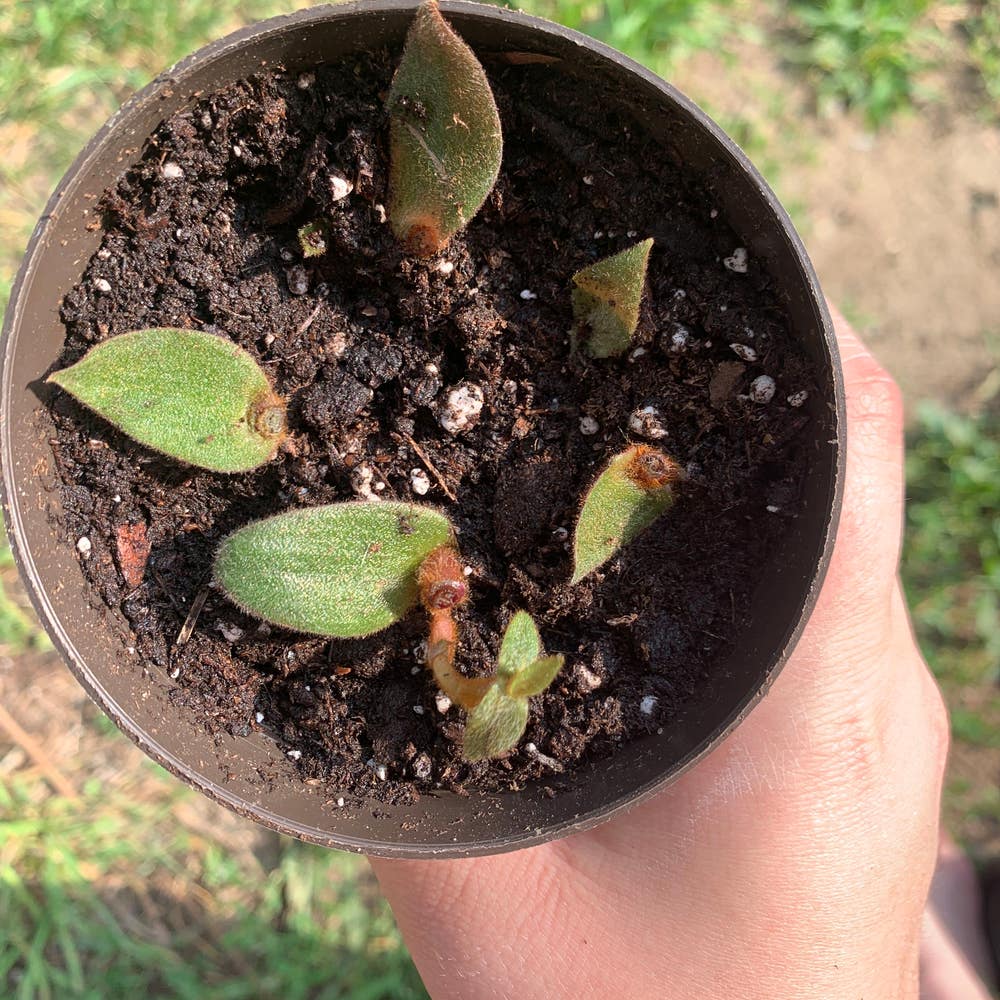
4 Tips for Healing Dropping Leaves on Your Blue Mink 🩹
Cyanotis pedunculata
By the Greg Editorial Team
Nov 26, 2024•5 min read
This article was created with the help of AI so we can cover more plants for you. May contain errors. See one? Report it here.
Prevent leaf drop and keep your Blue Mink thriving with these essential care tips! 🌿
- 🌱 Leaf drop in Blue Mink results from overwatering, underwatering, or environmental stress.
- 💧 Prevent overwatering by ensuring proper drainage and allowing soil to dry out.
- ☀️ Bright, indirect light and humidity levels of 50%-70% are crucial for Blue Mink health.
Causes of Leaf Drop
Understanding the causes of leaf drop in your Blue Mink is essential for effective care. Let's dive into the primary culprits: overwatering, underwatering, and environmental stress factors.
💧 Overwatering: Symptoms and Effects on Blue Mink
Overwatering is a common mistake that can lead to serious issues. Symptoms include yellowing leaves and mushy stems, which signal that your plant is struggling.
Root rot is a significant concern with overwatering. Look for signs like a foul smell or blackened roots, and remember that prevention is key—ensure proper drainage to keep your Blue Mink healthy.
🌵 Underwatering: Symptoms and Effects on Blue Mink
On the flip side, underwatering can also cause leaf drop. If you notice crispy leaf edges and drooping leaves, your plant may be thirsty.
To check for soil dryness, dig about 1-2 inches deep. If the soil feels dry, it’s time to water, as persistent underwatering can lead to long-term health issues for your Blue Mink.
🌪️ Environmental Stress Factors
Environmental stress can significantly impact your Blue Mink’s vitality. Key factors include light, temperature, and humidity.
Light Requirements
Blue Mink thrives in bright, indirect light. If your plant is dropping leaves or growing leggy, it may not be receiving enough light.
Temperature Preferences
The optimal temperature range for Blue Mink is between 65°F to 75°F (18°C to 24°C). Fluctuations outside this range can stress your plant, leading to leaf drop.
Humidity Requirements
Humidity is crucial for Blue Mink's health. If the air is too dry, you might notice leaf curling and dropping, signaling that your plant needs more moisture.
By understanding these causes, you can take proactive steps to keep your Blue Mink thriving. Next, we’ll explore how to diagnose these issues effectively.
Diagnosing Issues
💧 Overwatering and Its Effects
Overwatering is a common issue for Blue Mink plants. Symptoms include yellowing leaves and mushy stems, which indicate that the roots are struggling to breathe.
Root rot is a serious consequence of overwatering. Look for dark, mushy roots and a foul smell; prevention involves ensuring proper drainage and allowing the soil to dry out between waterings.
🌱 Impact on Blue Mink Health
Persistent overwatering can lead to long-term health issues for your Blue Mink. It weakens the plant, making it more susceptible to diseases and pests.
🚰 Underwatering and Its Effects
Underwatering can be just as detrimental. Symptoms include crispy leaf edges and drooping leaves, signaling that your plant is thirsty.
To check soil moisture, insert your finger 1-2 inches deep. If the soil feels dry, it’s time to water your Blue Mink.
🌿 Impact on Blue Mink Health
Long-term underwatering can stunt growth and lead to further stress. Your plant may struggle to recover if it frequently experiences drought conditions.
🌞 Environmental Stress Factors
💡 Light Requirements
Blue Mink thrives in bright, indirect light. Insufficient light can lead to leaf drop and leggy growth, as the plant stretches toward the light source.
🌡️ Temperature Preferences
The optimal temperature range for Blue Mink is between 65°F to 75°F (18°C to 24°C). Fluctuations outside this range can stress the plant, leading to health issues.
💧 Humidity Requirements
Humidity is crucial for Blue Mink's well-being. Low humidity can cause leaf curling and dropping, indicating that your plant needs a more humid environment.
Understanding these factors is essential for maintaining a healthy Blue Mink. By diagnosing issues early, you can take steps to ensure your plant thrives. Next, let’s explore effective solutions for leaf drop.
Solutions for Leaf Drop
🌊 Adjusting Watering Practices
Establishing a consistent watering schedule is crucial for your Blue Mink. Start by checking the soil moisture 1-2 inches deep; water when the top inch feels dry.
To ensure proper hydration, water thoroughly until it drains from the bottom. Avoid letting your plant sit in water, as this can lead to root rot.
💧 Improving Humidity Levels
Blue Mink thrives in humidity levels between 50% to 70%. To boost humidity, consider using humidifiers or pebble trays.
Grouping your plants together can also create a microenvironment with higher humidity. This simple trick can make a significant difference in their health.
🌱 Soil and Potting Recommendations
The right soil is essential for your Blue Mink's growth. A well-draining potting mix is ideal to prevent waterlogging.
When potting, always choose pots with drainage holes. Repotting every 1-2 years helps refresh the soil and supports healthy root development.
🌿 Fertilization Guidelines
For optimal growth, use a balanced liquid fertilizer every 4-6 weeks during the growing season. This will provide the nutrients your Blue Mink needs to flourish.
Watch for signs of nutrient deficiency, such as yellowing leaves and stunted growth. Addressing these issues promptly will keep your plant vibrant and healthy.
Transitioning to the next topic, let's explore preventative measures to ensure your Blue Mink remains healthy and thriving year-round.
Preventative Measures
Regular Maintenance Tips 🌱
Routine checks for soil moisture and humidity levels are essential for keeping your Blue Mink healthy. Make it a habit to inspect your plant regularly, ensuring it receives the right amount of water and humidity.
Pruning dead or damaged leaves not only improves the plant's appearance but also promotes healthy growth. This simple act can help your Blue Mink thrive and prevent potential diseases.
Seasonal Care Adjustments 🌦️
Adjusting care practices based on seasonal changes is crucial for your plant's well-being. During winter, reduce watering frequency to prevent overwatering, as the plant's growth slows down.
In summer, increase humidity and watering to accommodate the warmer temperatures. Your Blue Mink will appreciate the extra attention during these hotter months.
Monitoring for Pests and Diseases 🐛
Keeping an eye out for common pests affecting Blue Mink is vital. Watch for aphids and spider mites; their presence can lead to significant damage if not addressed promptly.
Implement disease prevention strategies by regularly inspecting your plant and maintaining its overall health. A proactive approach will help you catch issues early and keep your Blue Mink flourishing.
By following these preventative measures, you can ensure your Blue Mink remains vibrant and healthy. Next, let’s explore solutions for leaf drop to further enhance your plant care routine.
⚠️ Safety First
This content is for general information and may contain errors, omissions, or outdated details. It is not medical, veterinary advice, or an endorsement of therapeutic claims.
Always consult a qualified healthcare professional before using any plant as food, medicine, or supplement.
Never eat any plant (or feed one to pets) without confirming its identity with at least two trusted sources.
If you suspect poisoning, call Poison Control (800) 222-1222, the Pet Poison Helpline (800) 213-6680, or your local emergency service immediately.
Spotted an error? Please report it here.
Keep your Blue Mink thriving 🌿 by using Greg's tailored watering reminders and care tips to prevent leaf drop and ensure its vibrant health!