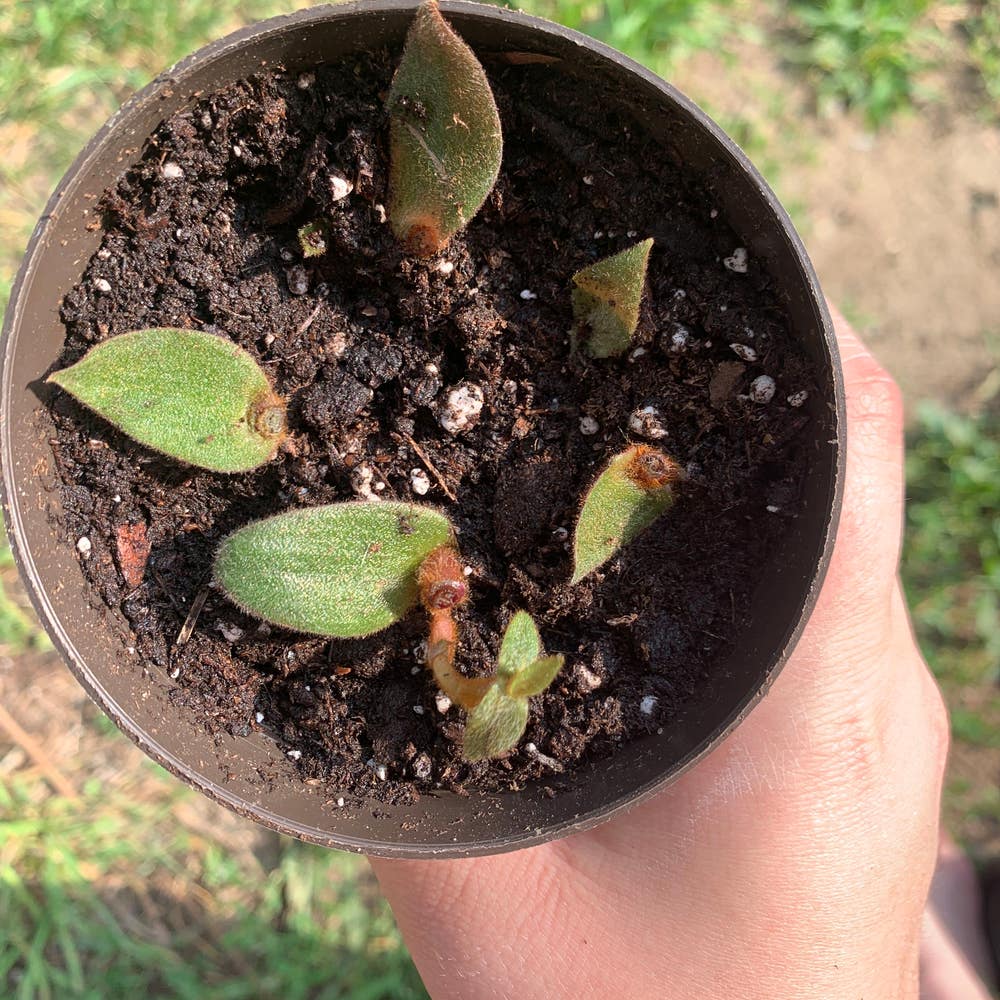
🌱 What to Know About Growing Your Blue Mink Indoors
Cyanotis pedunculata
By the Greg Editorial Team
Nov 26, 2024•5 min read
This article was created with the help of AI so we can cover more plants for you. May contain errors. See one? Report it here.
Elevate your indoor garden with a flourishing Blue Mink by mastering its light and care needs! 🌿
- 💡 Blue Mink thrives in bright indirect light; use grow lights if needed.
- 💧 Water when the top inch of soil is dry to avoid root issues.
- 🌬️ Maintain humidity between 50-70% for optimal growth and health.
Light Requirements
Ideal Indoor Light Levels 🌟
For your Blue Mink, the sweet spot is moderate to bright indirect light. While they can adapt to lower light conditions, be prepared for slower growth if you go that route.
Role of Grow Lights 💡
When natural light isn't enough, grow lights become your best friend. They significantly enhance growth in low-light environments, making full spectrum LED grow lights the top choice for optimal results.
Choosing the Best Grow Light 🔍
Selecting the right grow light involves a few key factors. Consider wattage, the size of your plant, and light intensity to ensure your Blue Mink thrives.
Placement of Grow Lights
Position your grow lights 12-24 inches above the plant for effective coverage. This distance helps distribute light evenly and prevents scorching.
Duration of Exposure
Aim for 12-14 hours of light exposure each day. This routine mimics natural sunlight and supports healthy growth.
With the right light setup, your Blue Mink will flourish indoors, setting the stage for the next essential aspect: watering needs and best practices.
Watering Needs and Best Practices
Watering Frequency 🌊
To keep your Blue Mink thriving, allow the top inch of soil to dry out before watering. Overwatering can lead to yellowing leaves, wilting, and root rot, while underwatering may cause crispy leaf edges and drooping leaves.
Best Practices for Watering 💧
Always use room temperature water to avoid shocking your plant. Water thoroughly until excess drains from the bottom of the pot, ensuring the roots receive adequate moisture.
Consider using a moisture meter for accurate readings, which can help you gauge when it's time to water again. This simple tool can take the guesswork out of your watering routine, leading to healthier plants.
By following these watering guidelines, you'll set your Blue Mink up for success. Next, let’s explore the ideal humidity and temperature control to further enhance its growth.
Humidity and Temperature Control
Ideal Humidity Levels 🌧️
To thrive, your blue mink prefers humidity levels between 50-70%. While it can adapt to average household humidity, maintaining this range will promote optimal growth and vitality.
Humidity Control Techniques 💧
In dry environments, consider using humidifiers to boost moisture levels.
- Grouping Plants: Placing your blue mink with other plants can create a beneficial microclimate.
- Pebble Tray Method: Set your plant on a tray filled with pebbles and water to increase humidity around it.
- Regular Misting: Mist the leaves regularly to enhance humidity. Just be cautious not to overdo it, as excessive moisture can lead to mold.
Optimal Temperature Range 🌡️
The ideal temperature for your blue mink is between 65°F to 75°F (18°C to 24°C).
While it can tolerate brief drops to 50°F (10°C), it's best to avoid such fluctuations to keep your plant healthy and happy.
With the right humidity and temperature, your blue mink will flourish, setting the stage for vibrant growth and resilience. Next, let’s explore the best soil and fertilization practices to support your plant’s needs.
Soil and Fertilization
Best Soil Type 🌱
For your blue mink, a well-draining potting mix is essential. Look for a blend that includes added perlite or sand to enhance aeration and drainage.
Proper drainage is crucial to prevent root rot. A good soil choice allows excess water to escape, keeping your plant healthy and thriving.
Fertilization Schedule 📅
During the growing season, which spans spring and summer, fertilize your blue mink every 4-6 weeks. This regular feeding helps support robust growth and vibrant foliage.
When selecting fertilizers, opt for a balanced liquid fertilizer with an NPK ratio of 10-10-10 or consider slow-release granules. Both options provide the nutrients your plant needs without overwhelming it.
With the right soil and fertilization practices, your blue mink will flourish indoors. Next, let’s explore common issues and maintenance tips to keep your plant in top shape.
Common Issues and Maintenance
🐛 Identifying and Preventing Pests
Keeping your Blue Mink healthy means staying vigilant against pests. Common culprits like spider mites and mealybugs can wreak havoc if not caught early.
Regular inspections are key. Check the undersides of leaves and around the stems to catch any infestations before they spread. Maintaining overall plant health through proper care also helps deter these pests.
💧 Addressing Watering Issues
Watering is a double-edged sword; too much or too little can lead to problems. Overwatering often results in root rot and yellowing leaves, signaling distress.
On the flip side, underwatering can cause drooping and crispy leaf edges. Knowing the signs helps you adjust your watering routine effectively.
🪴 Placement and Maintenance Tips
Finding the right spot for your Blue Mink is crucial. Bright bathrooms or kitchens with indirect light are ideal locations that promote healthy growth.
Regular pruning encourages bushier growth, making your plant more vibrant. Additionally, cleaning leaves with a damp cloth removes dust, allowing the plant to breathe better.
Don't underestimate the importance of airflow and circulation. Good air movement helps prevent mold and pest issues, keeping your plant thriving.
With these tips, you can maintain a healthy Blue Mink and enjoy its beauty indoors. Next, let’s explore the best soil and fertilization practices to keep your plant nourished.
⚠️ Safety First
This content is for general information and may contain errors, omissions, or outdated details. It is not medical, veterinary advice, or an endorsement of therapeutic claims.
Always consult a qualified healthcare professional before using any plant as food, medicine, or supplement.
Never eat any plant (or feed one to pets) without confirming its identity with at least two trusted sources.
If you suspect poisoning, call Poison Control (800) 222-1222, the Pet Poison Helpline (800) 213-6680, or your local emergency service immediately.
Spotted an error? Please report it here.
Nurture your Blue Mink to lush perfection 🌿 with Greg's tailored watering alerts and light exposure tips that make indoor growing a breeze!