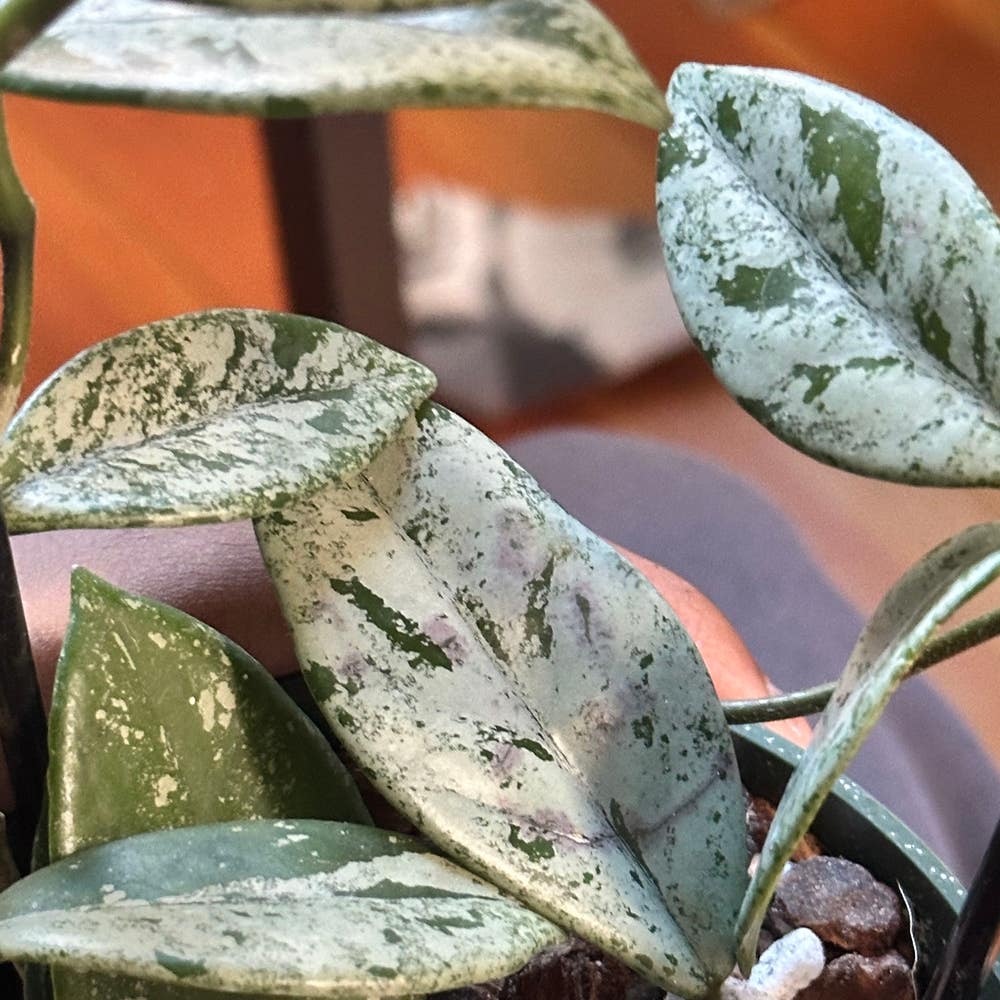
Determining What Might Be Eating Your Hoya 'Wilbur Graves' 🐛
Hoya carnosa 'Wilbur Graves'
By the Greg Editorial Team
Sep 28, 2024•5 min read
This article was created with the help of AI so we can cover more plants for you. May contain errors. See one? Report it here.
Safeguard your Hoya 'Wilbur Graves' from pests while inviting beneficial wildlife for a flourishing garden! 🌱
- 🐾 Hoya 'Wilbur Graves' faces threats from deer, rabbits, squirrels, and more.
- 🚫 Effective deterrents include repellents, fencing, and companion planting.
- 🌼 Beneficial insects like bees help pollinate while controlling pests.
Common Herbivores Affecting Hoya 'Wilbur Graves'
🦌 Deer
Signs of presence and damage caused
Look for hoof prints in the soil near your Hoya 'Wilbur Graves'. Browsing on leaves and young shoots often results in jagged edges, indicating deer have been feasting.
Beneficial vs. harmful interactions
Deer interactions are generally harmful. If left unmanaged, they can severely damage or even kill your plant.
Deterrent methods
To deter deer, consider using commercial repellents containing putrescent egg solids. Alternatively, planting deer-resistant species nearby or using human hair and soap shavings can be effective organic methods.
🐇 Rabbits
Signs of presence and damage caused
Keep an eye out for small, rounded paw prints and droppings near your plant. Cleanly cut leaves and stems, often at a 45-degree angle, are telltale signs of rabbit activity.
Beneficial vs. harmful interactions
Rabbits are generally harmful to your Hoya. Their nibbling can lead to significant plant damage and stunted growth.
Deterrent methods
For easy deterrence, use rabbit repellents with strong scents like garlic or pepper. Fencing with chicken wire at least 2 feet high can also keep these critters at bay.
🐿️ Squirrels
Signs of presence and damage caused
Chewed leaves and scattered debris around the base of your plant indicate squirrel activity. Their gnawing on stems and flowers can lead to wilting and dieback.
Beneficial vs. harmful interactions
Squirrels are generally harmful. Their actions can disrupt flowering and overall plant health.
Deterrent methods
Consider using squirrel repellents containing capsaicin. Installing motion-activated sprinklers or using reflective materials can also help deter these pests.
🐦 Birds
Signs of presence and damage caused
Look for droppings on leaves and chewed flower petals. Birds often feed on nectar and flowers, which can lead to reduced flowering.
Beneficial vs. harmful interactions
Bird interactions are mixed. While they can damage flowers, they also play a crucial role in pollination.
Deterrent methods
To keep birds away, use repellents that emit unpleasant odors. Hanging reflective tape or using scare devices can also be effective organic methods.
🐭 Rodents (mice, voles, etc.)
Signs of presence and damage caused
Signs of rodents include small holes in the soil and gnaw marks on stems. These pests can cause root damage and stem girdling, leading to plant decline.
Beneficial vs. harmful interactions
Rodents are generally harmful. Their presence can result in significant damage to your Hoya.
Deterrent methods
For a more challenging deterrent, consider using rodent baits and traps. Alternatively, peppermint oil-soaked cotton balls around the plant can serve as an organic repellent.
🦡 Groundhogs/Woodchucks
Signs of presence and damage caused
Look for large burrows and flattened vegetation around your plant. Groundhogs can cause extensive damage to leaves and stems, often leading to plant death.
Beneficial vs. harmful interactions
These animals are generally harmful. They can decimate Hoya populations if not controlled.
Deterrent methods
Commercial groundhog repellents can be effective. Additionally, fencing with buried barriers can prevent burrowing and protect your plants.
Understanding these common herbivores and their interactions with Hoya 'Wilbur Graves' is essential for maintaining a healthy plant. By implementing effective deterrent methods, you can safeguard your garden and ensure your Hoya thrives.
Beneficial Animals and Ecosystem Roles
🐝 Description of Beneficial Animals Attracted to Hoya 'Wilbur Graves'
Hoya 'Wilbur Graves' isn't just a feast for herbivores; it also attracts a variety of beneficial animals. Pollinators like bees and butterflies are drawn to its fragrant flowers, playing a crucial role in the plant's reproduction.
In addition, predatory insects such as ladybugs and lacewings help keep pest populations in check. Their presence can significantly reduce the need for chemical interventions in your garden.
🌿 Positive Impacts on the Garden Ecosystem
The benefits of these beneficial animals extend beyond just Hoya 'Wilbur Graves.' Enhanced pollination leads to better fruit and flower production, enriching your garden's overall health.
Moreover, natural pest control from these predators creates a balanced ecosystem. This reduces reliance on chemical pesticides, promoting a healthier environment for both plants and wildlife.
By fostering a habitat that attracts these beneficial creatures, you not only protect your Hoya but also contribute positively to your garden's ecosystem.
As you consider the various interactions in your garden, remember that nurturing beneficial animals can lead to a thriving, vibrant space. Next, let’s explore general strategies for protecting your Hoya 'Wilbur Graves' from potential threats.
General Strategies for Protection
🛡️ Preventive Measures for Protecting Hoya 'Wilbur Graves'
To keep your Hoya 'Wilbur Graves' safe, consider its placement. Positioning the plant in less accessible areas can deter many herbivores.
Companion planting is another effective strategy. Surrounding your Hoya with plants that naturally repel herbivores can create a protective barrier.
⚠️ Reactive Solutions for Managing Animal Interactions
Regular monitoring is crucial. Keep an eye out for any signs of animal damage to catch issues early.
Act quickly if you notice signs of herbivore presence. Immediate action can prevent further damage and help your plant thrive.
🌱 Seasonal Variations in Animal Attraction to Hoya 'Wilbur Graves'
Be aware that herbivore activity tends to spike in spring and early summer. During these seasons, young shoots become a tempting target.
Monitoring changes in animal behavior with seasonal shifts can help you stay one step ahead. Adjust your protective measures accordingly to safeguard your plant.
These strategies will help ensure your Hoya 'Wilbur Graves' remains healthy and vibrant, ready to thrive in your garden. Next, let's explore the beneficial animals that can enhance your garden ecosystem.
Toxicity and Safety
🐾 Discussion of any toxic effects of Hoya 'Wilbur Graves' on animals
Hoya 'Wilbur Graves' has mild toxicity due to certain compounds it contains. These compounds can deter some herbivores, making the plant less appealing to them.
🦺 Implications for animal interactions and garden safety
Understanding the mild toxicity of Hoya 'Wilbur Graves' is crucial for managing animal interactions. It allows gardeners to create a safer environment while still enjoying the beauty of this unique plant.
By being aware of its effects, you can better protect your garden and ensure a harmonious balance with local wildlife.
⚠️ Safety First
This content is for general information and may contain errors, omissions, or outdated details. It is not medical, veterinary advice, or an endorsement of therapeutic claims.
Always consult a qualified healthcare professional before using any plant as food, medicine, or supplement.
Never eat any plant (or feed one to pets) without confirming its identity with at least two trusted sources.
If you suspect poisoning, call Poison Control (800) 222-1222, the Pet Poison Helpline (800) 213-6680, or your local emergency service immediately.
Spotted an error? Please report it here.
Keep your Hoya 'Wilbur Graves' thriving 🌿 by using Greg's personalized tips and reminders to fend off pesky herbivores and create a flourishing garden ecosystem!