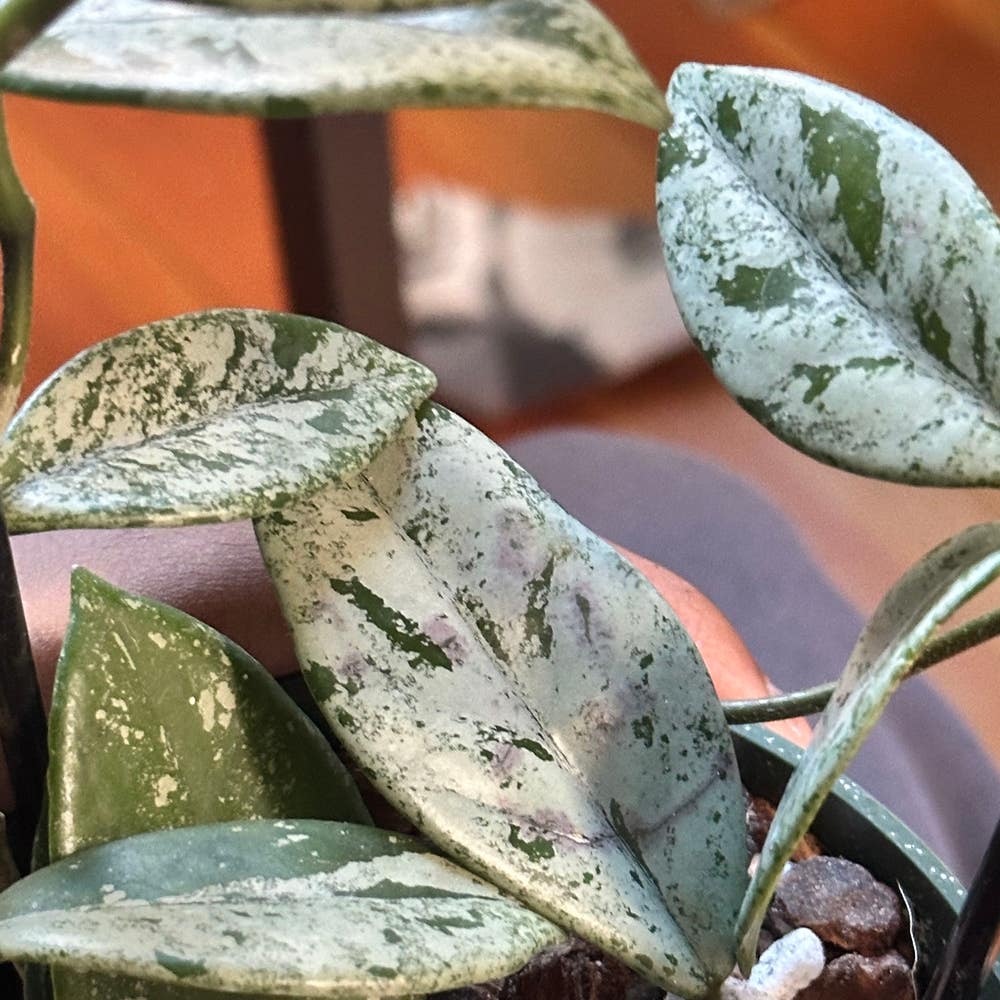
🌸 Hoya 'Wilbur Graves': A Perennial Plant
Hoya carnosa 'Wilbur Graves'
By the Greg Editorial Team
Sep 28, 2024•6 min read
This article was created with the help of AI so we can cover more plants for you. May contain errors. See one? Report it here.
Discover how to cultivate resilient Hoya 'Wilbur Graves' 🌱 for stunning blooms and effortless gardening success!
- 🌱 Hoya 'Wilbur Graves' thrives for years with proper care and root health.
- 🌞 Active growth occurs in warmer months, while dormancy happens in cooler seasons.
- 🌿 Climbing or trailing habits make it perfect for vertical gardening and stunning displays.
Lifecycle and Growth Patterns
🌱 Multi-Year Lifecycle
Hoya 'Wilbur Graves' showcases a fascinating lifecycle that unfolds over multiple years. It begins with the initial establishment phase, where the plant focuses on developing a robust root system and lush foliage.
As it matures, the plant reaches its full growth potential, showcasing its flowering capabilities. This transition is crucial, as a healthy root system supports the plant's ability to thrive and bloom.
🌿 Regrowth from Roots
One of the remarkable features of Hoya 'Wilbur Graves' is its ability to regenerate each season from established roots. This resilience underscores the importance of maintaining root health for sustained growth and vibrant blooms.
Healthy roots not only support regrowth but also enhance the plant's overall vitality, ensuring it can weather seasonal changes effectively.
📈 Growth Patterns
Hoya 'Wilbur Graves' exhibits climbing or trailing habits, making it an excellent choice for vertical gardening. These adaptations allow the plant to utilize space efficiently, creating a lush, green environment that enhances garden aesthetics.
During warmer months, the plant experiences active growth, bursting with life and energy. In contrast, cooler months bring slower growth or dormancy, prompting gardeners to adjust their care routines accordingly.
🌦️ Seasonal Growth Variations
Understanding seasonal growth variations is key to successful cultivation. In the warmer months, Hoya 'Wilbur Graves' thrives, requiring more frequent watering and fertilization.
As temperatures drop, the plant enters a period of dormancy, where growth slows significantly. This natural rhythm is essential for the plant's health, allowing it to conserve energy and prepare for the next growth cycle.
With this knowledge of lifecycle and growth patterns, gardeners can better appreciate the unique characteristics of Hoya 'Wilbur Graves' and prepare for its seasonal needs. This understanding sets the stage for exploring how its perennial nature impacts flowering and overall growth.
Impact of Perennial Nature on Growth and Flowering
🌸 How Perennial Nature Affects Flowering
Hoya 'Wilbur Graves' showcases unique flowering patterns that can vary throughout the year. Typically, you can expect blooms to appear more frequently during warmer months, influenced by factors like light and temperature.
Environmental conditions play a crucial role in the flowering cycles of this plant. Adequate sunlight and consistent watering can enhance bloom frequency, while extreme temperatures may delay or reduce flowering.
🌼 Longevity of Blooms
The duration of flowering periods is another fascinating aspect of Hoya 'Wilbur Graves'. Blooms can last several weeks, but their quality can be affected by care practices, such as proper fertilization and pest management.
To maintain vibrant flowers, it's essential to monitor the plant's health regularly. A little attention goes a long way in ensuring that blooms remain lush and plentiful.
⏳ Overall Lifespan Implications
With proper care, Hoya 'Wilbur Graves' can thrive for many years. This longevity makes it a rewarding addition to any garden.
However, several factors can influence its lifespan. Environmental conditions, such as humidity and light levels, along with care practices like watering and pest management, are vital for sustaining its health over time.
In summary, understanding the perennial nature of Hoya 'Wilbur Graves' not only enhances your gardening experience but also ensures that you enjoy its beautiful blooms for years to come. Next, we’ll explore the dormancy periods and seasonal changes that affect this remarkable plant.
Dormancy and Seasonal Changes
Description of Dormancy Periods 🌱
Identifying dormancy in Hoya 'Wilbur Graves' is essential for effective care. Look for signs like reduced leaf growth and a general slowdown in activity, typically occurring in late fall to early spring.
Dormancy usually lasts a few months, depending on environmental conditions. Understanding this phase is crucial for maintaining plant health.
Importance of Dormancy for Plant Health 🛌
Dormancy plays a vital role in energy conservation. During this period, the plant focuses on maintaining its root system, ensuring it can thrive when growth resumes.
Healthy roots are the foundation for a resilient plant. This phase allows Hoya 'Wilbur Graves' to prepare for the next growth cycle.
Seasonal Changes 🍂
As seasons change, so do the care requirements for Hoya 'Wilbur Graves'. During active growth in spring and summer, increase watering and fertilization to support robust development.
In contrast, reduce both during the cooler months. This adjustment helps the plant conserve energy and maintain health.
Adaptations to Seasonal Variations 🌍
Temperature and light availability significantly influence care strategies. In warmer months, ensure the plant receives adequate sunlight while monitoring for signs of stress.
As temperatures drop, consider moving the plant to a more sheltered location. These adaptations will help your Hoya thrive year-round.
Transitioning from dormancy to active growth is an exciting time for gardeners. Understanding these seasonal changes will enhance your experience and success with Hoya 'Wilbur Graves'.
Advantages for Gardeners
Benefits of Reduced Replanting 🌱
One of the standout advantages of Hoya 'Wilbur Graves' is its cost-effectiveness. By thriving as a perennial, this plant saves you money on annual purchases, allowing you to invest in other gardening essentials.
Additionally, you'll enjoy significant time savings in garden maintenance. With less frequent replanting, you minimize soil disturbance and can focus on nurturing your existing plants.
Importance of Established Root Systems 🌳
Established root systems are a game-changer for Hoya 'Wilbur Graves'. These robust roots enhance the plant's resilience, enabling it to withstand various environmental stressors like drought or pests.
Moreover, strong roots improve nutrient uptake. This means your plant can access essential soil nutrients more efficiently, promoting healthier growth and vibrant blooms.
Transitioning to the next section, let's explore how to maximize the benefits of Hoya 'Wilbur Graves' in your garden planning.
Maximizing Benefits in Garden Planning
🌱 Tips for Long-Term Cultivation
To keep your Hoya 'Wilbur Graves' thriving, regular monitoring of root health and soil conditions is essential. Healthy roots are the backbone of your plant's vitality, so check for signs of rot or dryness frequently.
Adjust your care seasonally to align with the plant’s growth cycles. For instance, increase watering during active growth in warmer months and reduce it during dormancy.
🌼 Strategies for Incorporating in Garden Design
When planning your garden, consider companion planting to enhance both growth and aesthetics. Pair Hoya 'Wilbur Graves' with plants that share similar light and water needs for a harmonious garden environment.
Utilize its climbing or trailing habits to maximize visual impact in vertical spaces. This not only adds dimension to your garden but also creates a stunning focal point that draws the eye.
By implementing these strategies, you can enjoy the beauty and resilience of Hoya 'Wilbur Graves' while making the most of your garden space. Transitioning to the next section, let’s explore the advantages this perennial brings to your gardening experience.
⚠️ Safety First
This content is for general information and may contain errors, omissions, or outdated details. It is not medical, veterinary advice, or an endorsement of therapeutic claims.
Always consult a qualified healthcare professional before using any plant as food, medicine, or supplement.
Never eat any plant (or feed one to pets) without confirming its identity with at least two trusted sources.
If you suspect poisoning, call Poison Control (800) 222-1222, the Pet Poison Helpline (800) 213-6680, or your local emergency service immediately.
Spotted an error? Please report it here.
Nurture your Hoya 'Wilbur Graves' through its unique lifecycle and let Greg provide tailored care reminders 🌿 to help your plant thrive for years to come!