🌼 Hoya 'Wilbur Graves' Is Not Considered a Weed
Hoya carnosa 'Wilbur Graves'
By the Greg Editorial Team
Sep 28, 2024•5 min read
This article was created with the help of AI so we can cover more plants for you. May contain errors. See one? Report it here.
Elevate your garden's beauty and biodiversity 🌱 with Hoya 'Wilbur Graves'—a stunning, pollinator-friendly choice!
- 🌱 Hoya 'Wilbur Graves' thrives in bright, indirect light and well-draining soil.
- 🐝 Supports pollinators like bees and butterflies, enhancing garden biodiversity.
- 🌿 Non-invasive and versatile, it harmonizes with other plants for diverse landscapes.
Growth Habits
Typical Growth Patterns 🌱
Hoya 'Wilbur Graves' is known for its climbing or trailing nature, making it perfect for trellises, hanging baskets, or as ground cover. This plant thrives in well-draining soil and prefers bright, indirect light, ensuring it flourishes in various garden settings.
Natural Limits to Growth 📏
With a moderate growth rate, Hoya 'Wilbur Graves' typically reaches lengths of 3 to 6 feet. Its growth is influenced by environmental factors such as light, water, and soil conditions, which can either boost or limit its expansion.
Understanding these growth habits helps you appreciate how to integrate this beautiful plant into your garden effectively. Next, let’s explore its ecological role and the benefits it brings to local ecosystems.
Ecological Role
Benefits to Ecosystems 🌼
Hoya 'Wilbur Graves' plays a vital role in attracting pollinators like bees and butterflies. These beautiful flowers not only enhance biodiversity but also create a lively atmosphere in your garden.
Additionally, this plant provides essential habitat for various wildlife. It offers shelter and food sources, making it a valuable addition to any ecosystem.
Positive Interactions 🤝
This Hoya variety fosters symbiotic relationships with beneficial insects. By supporting these creatures, it contributes to a balanced ecosystem that thrives on cooperation.
Moreover, Hoya 'Wilbur Graves' coexists harmoniously with other garden species. It doesn't compete aggressively, allowing for a diverse and vibrant garden landscape.
Incorporating this plant into your garden not only beautifies your space but also supports local wildlife and promotes ecological health. As you plan your garden, consider how Hoya 'Wilbur Graves' can enhance both aesthetics and biodiversity.
Next, let’s explore how to effectively manage this plant in your garden design.
Garden Management
Incorporating into Designs 🌿
Hoya 'Wilbur Graves' is a versatile plant that thrives as a climbing beauty on trellises or fences. Its trailing nature makes it perfect for hanging baskets, adding a lush, green touch to any space.
Incorporating this Hoya into mixed plantings can create stunning visual interest. The unique foliage and vibrant flowers not only enhance the aesthetics of your garden but also provide a dynamic backdrop for other plants.
Growth Control Methods ✂️
Managing the growth of Hoya 'Wilbur Graves' is essential for keeping it in check. Here are some effective methods:
Pruning Techniques: Regular trimming helps maintain the desired shape and size. This keeps the plant looking tidy and encourages bushier growth.
Training Methods: Guide the plant along supports to prevent overexpansion. This can be done using soft ties or clips to secure it as it grows.
Monitoring: Regular checks are crucial to ensure it remains within desired boundaries. Keeping an eye on its growth will help you catch any potential issues early.
By incorporating these strategies, you can enjoy the beauty of Hoya 'Wilbur Graves' while maintaining a harmonious garden space. Next, we’ll explore how this plant compares to other non-invasive varieties, highlighting its unique qualities and benefits.
Comparison to Other Plants
🌱 Similar Non-Invasive Plants
When considering Hoya 'Wilbur Graves', it's essential to compare it with other Hoya varieties. While many Hoyas share a climbing nature, 'Wilbur Graves' stands out with its unique leaf shape and vibrant flowers, making it a favorite among gardeners.
In addition to other Hoyas, there are non-invasive climbing plants worth exploring. For instance, clematis offers stunning blooms and a variety of colors, while climbing hydrangeas provide lush foliage and beautiful white flowers. Both are excellent alternatives that can complement or replace Hoya 'Wilbur Graves' in your garden.
🌟 Unique Qualities
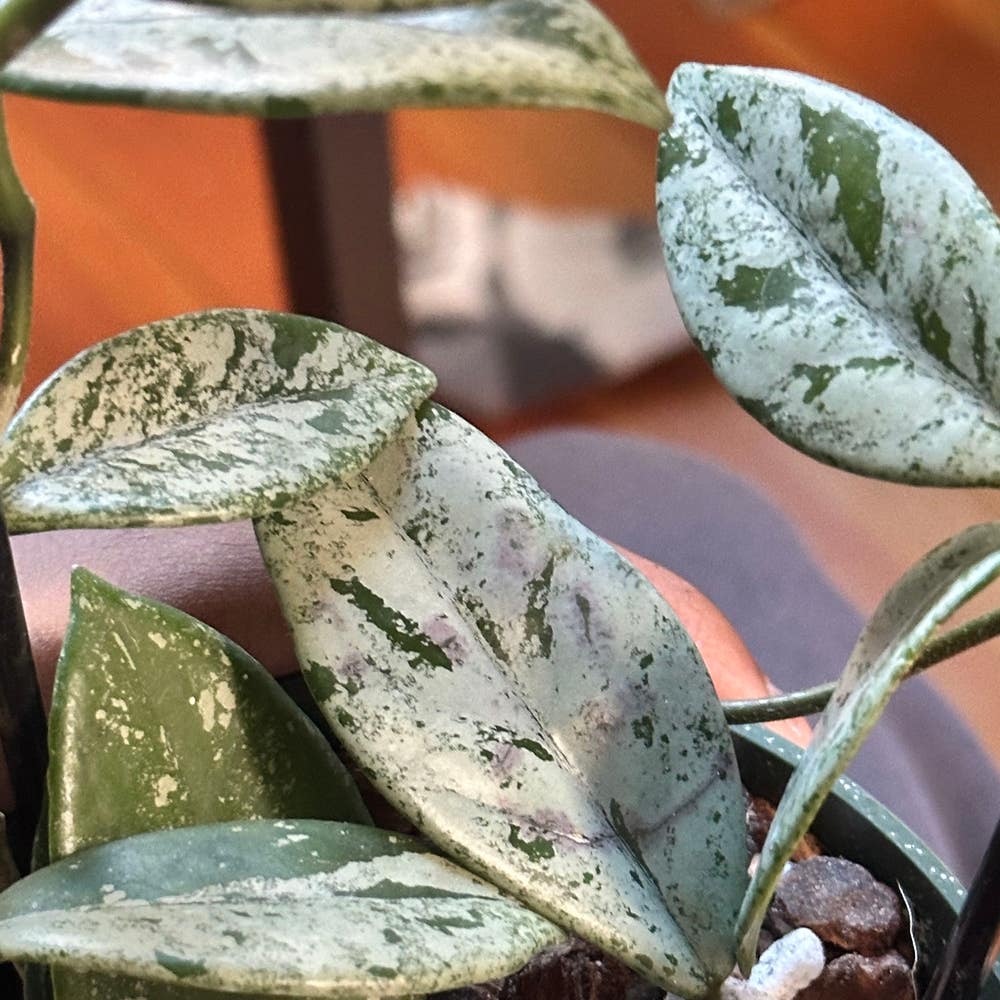
What truly sets Hoya 'Wilbur Graves' apart is its distinctive foliage. The leaves are thick and waxy, giving them a striking appearance that catches the eye. Its flowers, often fragrant, add an extra layer of charm, making it a standout choice for garden enthusiasts.
Choosing Hoya 'Wilbur Graves' enhances garden diversity and aesthetics. Its moderate growth habit allows for easy integration into various garden designs, while its ability to attract pollinators supports local ecosystems. This plant not only beautifies your space but also contributes positively to the environment.
As we explore the legal and environmental considerations surrounding Hoya 'Wilbur Graves', it's clear that this plant is not just a pretty face; it plays a vital role in sustainable gardening practices.
Legal and Environmental Considerations
Relevant Classifications 🌱
Before planting Hoya 'Wilbur Graves', it's essential to check local regulations. Some areas may have specific guidelines regarding its cultivation.
Confirming its classification status is also crucial. Ensure that it holds a non-invasive designation in your local horticultural resources to avoid any ecological concerns.
Fit within Sustainable Practices ♻️
Hoya 'Wilbur Graves' plays a significant role in sustainable gardening. It enhances biodiversity while being relatively easy to manage, making it a great choice for eco-conscious gardeners.
Additionally, this plant encourages pollinator-friendly practices. By supporting local ecosystems through responsible planting, you contribute to a healthier environment for bees and butterflies.
Incorporating Hoya 'Wilbur Graves' into your garden not only beautifies your space but also aligns with sustainable gardening principles. As you plan your garden, consider how this unique plant can fit into your overall design and ecological goals.
⚠️ Safety First
This content is for general information and may contain errors, omissions, or outdated details. It is not medical, veterinary advice, or an endorsement of therapeutic claims.
Always consult a qualified healthcare professional before using any plant as food, medicine, or supplement.
Never eat any plant (or feed one to pets) without confirming its identity with at least two trusted sources.
If you suspect poisoning, call Poison Control (800) 222-1222, the Pet Poison Helpline (800) 213-6680, or your local emergency service immediately.
Spotted an error? Please report it here.
Enhance your garden's biodiversity with Hoya 'Wilbur Graves' 🌱, and let Greg provide tailored care tips to help your plant flourish while supporting local ecosystems!