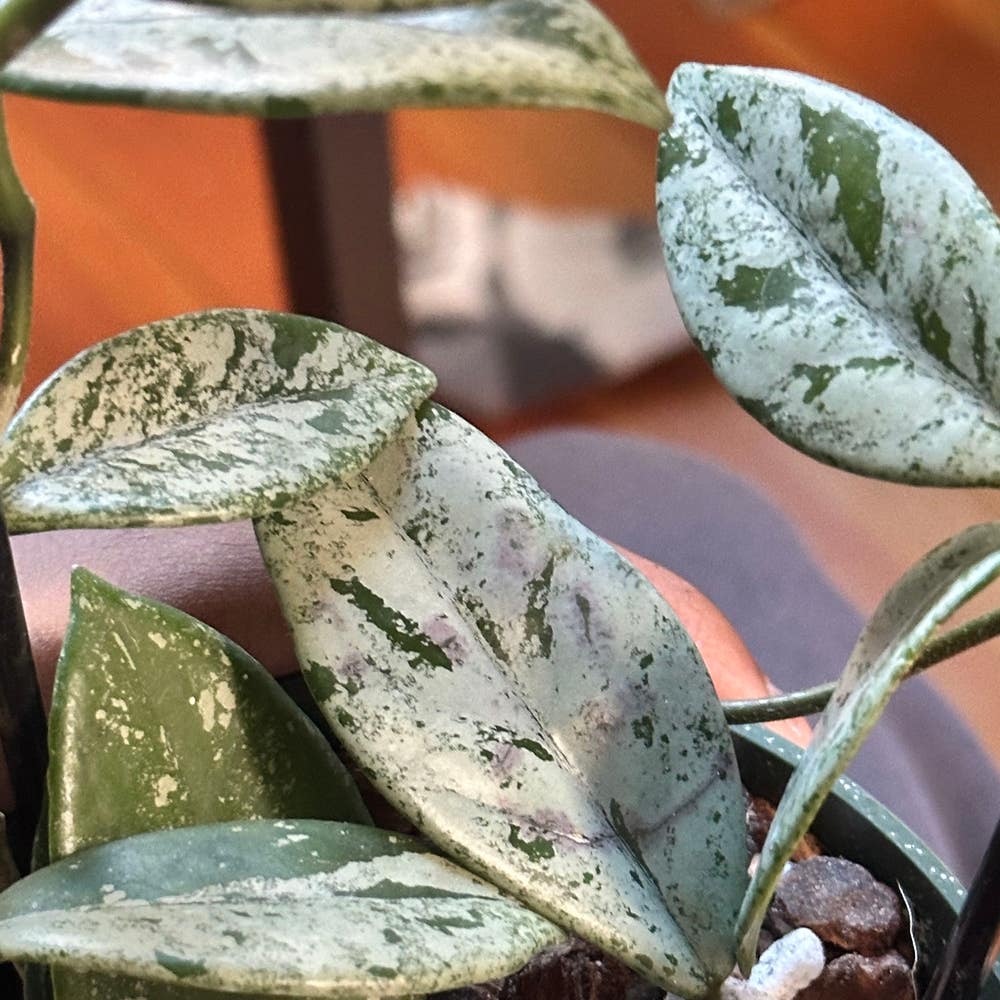
Diagnosing Hoya Carnosa 'Wilbur Graves' Root Rot
Hoya carnosa 'Wilbur Graves'
By the Greg Editorial Team
Jan 17, 2024•5 min read
This article was created with the help of AI so we can cover more plants for you. May contain errors. See one? Report it here.
Prevent a root rot takeover 🚫 and ensure your 'Wilbur Graves' thrives with early detection tips! 🌿
- Yellow leaves and funky smell signal early root rot.
- Prune rotten roots; disinfect with hydrogen peroxide.
- Well-draining soil and pots prevent future rot.
Spotting the Trouble: Early Signs of Root Rot
🚨 Yellow Alert: Discoloration and Drooping Leaves
Leaves that look like they've given up on life are your first clue. Yellowing or drooping foliage is the plant's SOS signal. It's not just a bad leaf day; it's a symptom of distress below the soil line, where the real trouble lurks.
👃 Sniff Test: Detecting Root Rot by Odor
Trust your nose—it's a built-in root rot radar. A funky smell coming from the soil isn't just bad luck; it's a sign of decay. That stench is the silent scream of roots begging for intervention. Don't ignore it; your Hoya's life may depend on it.
Getting Your Hands Dirty: Assessing Root Health
🌱 Unpotting Practices
Unpotting your Hoya carnosa 'Wilbur Graves' is like disarming a bomb; handle with care. First, ensure the soil is dry to avoid damaging the roots. Tilt the pot sideways and gently coax the plant out by the base, not by yanking the stems. If it's stubborn, tap the pot's edges or slide a knife around the interior to loosen the soil's grip.
🕵️ Root Inspection 101
Once you've unearthed your Hoya, it's time for some root reconnaissance. Healthy roots are the color of fresh cream and feel like firm spaghetti. If they're more reminiscent of soggy cereal and have a brown or black tinge, you've hit root rot territory. Use your fingers to test the roots' resilience; if they disintegrate with a gentle poke, it's time for surgery. Remember, the nose knows; a foul smell is a dead giveaway of decay.
Emergency Care: Treating Root Rot ASAP
🌱 The Chop: Pruning Rotten Roots
When root rot has taken hold, it's time for some tough love. Grab your sterilized shears and get ready to perform some plant surgery.
Step 1: Identify the Damage
Healthy roots are firm and resilient, while rotten ones are the consistency of overcooked pasta. Snip off all the mushy, discolored roots until you hit the healthy tissue.
Step 2: Disinfect
After the amputation, give the remaining roots a hydrogen peroxide bath. This helps to disinfect the wounds and sets the stage for a strong comeback.
Step 3: Let it Breathe
Post-op, let your plant air out. This drying period is like a spa day for the roots, helping them to heal and callous.
🌿 Rehab for Roots: Post-Pruning Care
Once the rotten roots are history, it's time for some TLC.
Step 1: Repot with Care
Choose a fresh pot with excellent drainage and fill it with a well-draining soil mix. Rehome your Hoya, ensuring it's not buried too deep.
Step 2: Water Wisely
Water the plant once and then start a new watering routine. The goal is to keep the soil moist but not soggy. Think of it as a cocktail party - you want your Hoya to have a drink in hand, but not to the point of getting sloshed.
Step 3: Monitor and Adjust
Keep an eye on your plant's recovery. Adjust light and humidity as needed to give it the best shot at bouncing back. Remember, your Hoya is a fighter, and with the right care, it'll be back to its glossy-leaved glory in no time.
Keeping It Dry: Watering Practices to Prevent Root Rot
💧 The Perfect Pour: Watering Routines for 'Wilbur Graves'
Consistency is your Hoya's best friend when it comes to watering. Establish a routine that allows the soil to dry out slightly between waterings. This isn't just about sticking to a schedule; it's about adapting to your plant's needs and the changing conditions of your home.
🏜️ Drought and Deluge: Understanding Watering Extremes
Avoid the extremes of a desert drought and a tropical deluge. Your 'Wilbur Graves' prefers a middle ground. Check the top inch of soil; if it's dry, it's time to water. If it's damp, give it a break. Overwatering invites root rot, while underwatering stresses your plant. Balance is key.
Soil and Pot Perfection: Creating an Ideal Home
💧 Choosing the Right Soil Mix
Drainage is king when it comes to preventing root rot in your Hoya carnosa 'Wilbur Graves'. A mix that's too heavy is like a wet blanket on a summer day—unwelcome. Perlite, orchid bark, and coir form the holy trinity of aeration, moisture balance, and nutrient delivery. Think of these components as the dream team for your plant's underground scene.
- 5 parts orchid bark: the chunky charmer preventing soil compaction.
- 4 parts coir: the hydration hero with a knack for moisture control.
- 5 parts perlite: the aeration ace, keeping things light and breathable.
- 2 parts activated charcoal: the silent guardian, detoxifying the soil.
- 2 parts worm castings: the nutrient ninja, enriching the mix.
🌿 Pot Picks: Ensuring Proper Drainage
Your pot choice is more than a fashion statement; it's a life-or-death decision for your Hoya's roots. Terracotta pots are the unsung heroes here, wicking away excess moisture like a pro. And let's not forget about drainage holes—they're the escape routes for any overzealous watering. If you're feeling extra, a layer of pebbles at the bottom of the pot sets up a nifty drainage system, like a mini sewer for your soil.
- Terracotta or other breathable materials: for that wick-away magic.
- Pots with drainage holes: non-negotiable for water escape.
- A pebble layer: the unsung hero of the drainage world.
Remember, your Hoya's roots are like the introverts of the plant world—they need space to breathe and hate soggy parties. Get the soil mix and pot right, and you're on your way to being the ultimate plant whisperer.
⚠️ Safety First
This content is for general information and may contain errors, omissions, or outdated details. It is not medical, veterinary advice, or an endorsement of therapeutic claims.
Always consult a qualified healthcare professional before using any plant as food, medicine, or supplement.
Never eat any plant (or feed one to pets) without confirming its identity with at least two trusted sources.
If you suspect poisoning, call Poison Control (800) 222-1222, the Pet Poison Helpline (800) 213-6680, or your local emergency service immediately.
Spotted an error? Please report it here.
Revive your hoya carnosa 'wilbur graves' from root rot by following a custom watering plan 🌱 with Greg, ensuring your plant's roots stay as healthy as fresh cream!