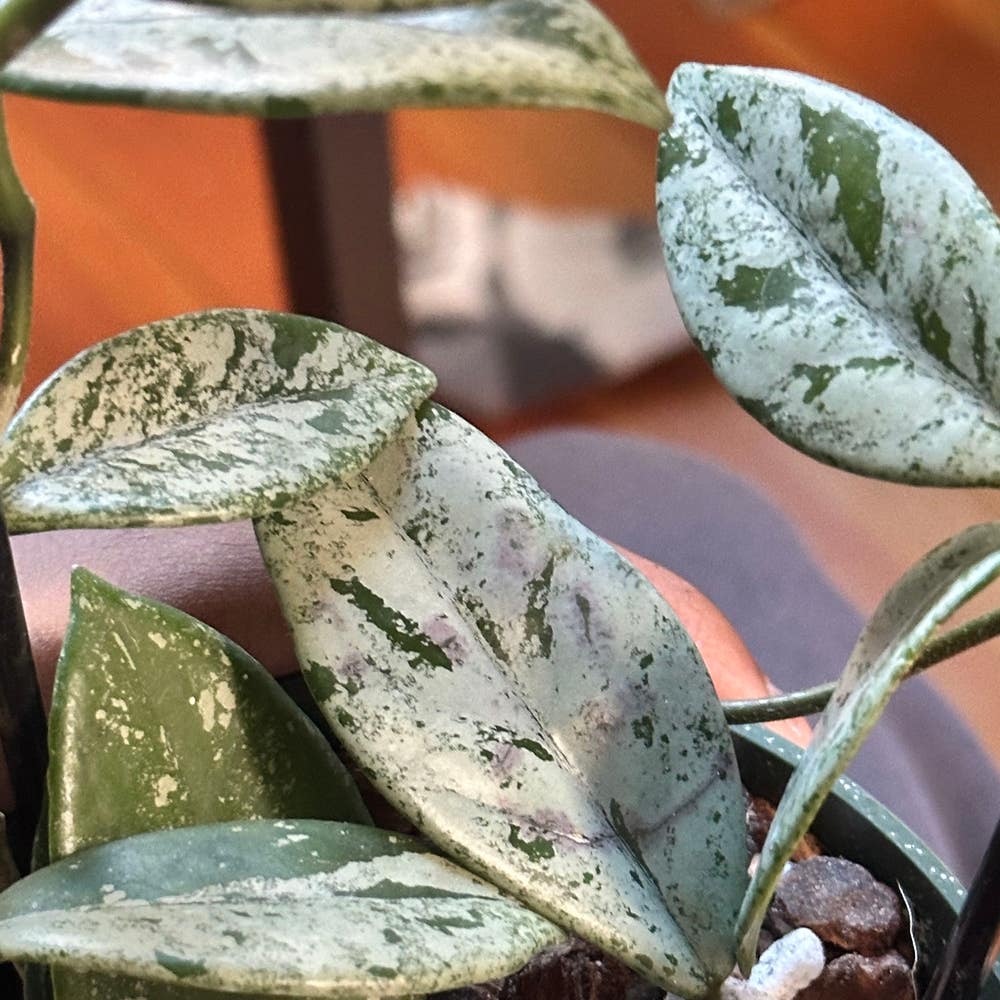
🌸 10 Do's and Don'ts of Growing Hoya 'Wilbur Graves'
Hoya carnosa 'Wilbur Graves'
By the Greg Editorial Team
Sep 28, 2024•6 min read
This article was created with the help of AI so we can cover more plants for you. May contain errors. See one? Report it here.
Transform your Hoya 'Wilbur Graves' into a thriving beauty with essential care tips for light, soil, and watering! 🌿
- 🌞 Hoya 'Wilbur Graves' thrives in bright, indirect light; avoid direct sunlight.
- 💧 Maintain humidity above 50% and ensure well-draining soil to prevent root rot.
- 🌡️ Ideal temperature range is 18°C to 29°C for optimal growth and health.
Choosing a Location
Ideal Light Conditions 🌞
Hoya 'Wilbur Graves' thrives in bright, indirect light. This is crucial for promoting healthy growth and vibrant flowering.
Direct sunlight, however, can be detrimental. It may scorch the leaves and stunt the plant's growth, so it's best to keep it in a well-lit but sheltered spot.
Indoor vs. Outdoor Growing Considerations 🏡
Growing indoors is often the best choice for Hoya 'Wilbur Graves'. It allows you to maintain optimal humidity and temperature levels.
On the other hand, outdoor growing can be rewarding but comes with challenges. You'll need to protect your plant from extreme weather conditions, which can be a hassle.
Temperature and Humidity Requirements 🌡️
For optimal growth, aim for a temperature range of 18°C to 29°C (65°F to 85°F). This range keeps your Hoya happy and thriving.
Humidity is equally important. Hoya 'Wilbur Graves' prefers moderate to high humidity levels, ideally 50% or higher, to flourish.
With the right location, your Hoya will be set for success. Next, let’s dive into soil preparation to ensure your plant has the best foundation for growth.
Soil Preparation
Best Soil Types 🌱
Choosing the right soil is crucial for your Hoya 'Wilbur Graves'. A well-draining potting mix is essential to prevent root rot, which can be a common issue.
For the best results, consider a mix of equal parts peat moss, perlite, and orchid bark. This combination provides the perfect balance of moisture retention and drainage.
Importance of Drainage and Aeration 💧
Drainage is vital for healthy root growth. It prevents waterlogging, which can suffocate roots and lead to decay.
Aeration is equally important, as it ensures roots receive adequate oxygen. A well-aerated soil promotes robust plant health and growth.
Soil Amendments and pH Considerations ⚖️
Maintaining the right pH level is key for nutrient absorption. The ideal pH range for Hoya 'Wilbur Graves' is between 6.0 and 7.0.
Incorporating compost into your soil mix can enhance nutrient content. This simple amendment can significantly boost your plant's overall health and vitality.
With the right soil preparation in place, your Hoya will thrive. Next, let’s explore effective planting techniques to ensure your plant gets off to a great start.
Planting Techniques
Step-by-Step Instructions 🌱
Planting your Hoya 'Wilbur Graves' is straightforward. Start by choosing a suitable container or location with proper drainage.
Next, fill your chosen container with the prepared soil mix, ensuring you leave enough space for the root ball. Position the plant at the correct depth, making sure the roots are fully covered.
Finally, water thoroughly after planting to settle the soil around the roots.
Container vs. Ground Planting 🏡
Deciding between container and ground planting can impact your plant's growth. Container planting offers flexibility and easier care, making it ideal for those who want to move their plants around.
On the other hand, ground planting requires more consideration for drainage and space. Ensure the location has adequate sunlight and protection from harsh weather.
Spacing and Depth Recommendations 📏
Proper spacing is crucial for healthy growth. For container planting, space your plants 6-12 inches apart if you're planting multiple specimens.
If you opt for ground planting, ensure you space them 12-18 inches apart to provide ample room for climbing support. This spacing allows each plant to thrive without competing for resources.
With these planting techniques, your Hoya 'Wilbur Graves' will have a solid start. Next, let’s explore how to care for your plant through effective watering and fertilizing practices.
Watering and Fertilizing
💧 Watering Frequency and Techniques
Watering your Hoya 'Wilbur Graves' is crucial for its health. Allow the top inch of soil to dry out between waterings to prevent root rot.
When you do water, do it thoroughly. Ensure water drains from the bottom of the pot, which helps keep the roots happy and hydrated.
🚨 Signs of Overwatering and Underwatering
Recognizing the signs of overwatering is essential. If you notice yellowing leaves or mushy roots, it’s a clear indication that you’re giving your plant too much water.
On the flip side, underwatering can also be a problem. Look for wilting leaves and dry soil as signs that your plant needs a drink.
🌱 Recommended Fertilizers and Feeding Schedule
Feeding your Hoya is just as important as watering. Fertilize monthly during the growing season to give it the nutrients it craves.
Opt for a balanced liquid fertilizer or slow-release granules. Both options will keep your plant thriving and blooming beautifully.
Understanding these watering and fertilizing basics will set you on the right path for a flourishing Hoya. Next, let’s dive into pruning and maintenance to keep your plant in top shape!
Pruning and Maintenance
When and How to Prune 🌱
Pruning your Hoya 'Wilbur Graves' is best done in late winter or early spring, just before new growth begins. Use clean, sharp scissors to cut back any leggy growth, ensuring your plant maintains a tidy appearance.
Importance of Pruning for Growth and Flowering 🌼
Regular pruning encourages bushier growth, leading to healthier foliage. It also enhances flowering by removing old growth, which stimulates the production of new blooms.
Ongoing Care Routine for Optimal Health 🧑🌾
To keep your Hoya thriving, conduct regular inspections for pests and diseases. Adjust your watering and fertilizing routine based on seasonal changes to ensure optimal health.
By staying proactive with pruning and maintenance, you set the stage for a vibrant, flourishing plant. Next, let’s explore common challenges and solutions to keep your Hoya in top shape.
Common Challenges and Solutions
🐛 Identifying and Managing Pests
Pests can be a real headache for Hoya 'Wilbur Graves' enthusiasts. The most common culprits include:
Common Pests
- Mealybugs: Look for white, cotton-like clusters on leaves. They can sap your plant's energy.
- Aphids: These small, green insects often hide on new growth, sucking the life out of your plant.
Control Methods
To tackle these pests, consider using:
- Neem oil: This organic treatment is effective and safe for your plants.
- Insecticidal soap: A great option for indoor use, it helps eliminate pests without harming your plant.
🦠 Addressing Diseases
Diseases can sneak up on your Hoya, but knowing the signs can help you act quickly.
Common Diseases
- Root rot: This occurs from overwatering, leading to mushy roots. It's a silent killer.
- Leaf drop: Often a sign of stress, this can result from environmental changes.
Prevention and Treatment
To keep diseases at bay:
- Ensure proper drainage: Use well-draining soil and pots to prevent water accumulation.
- Adjust care routine: Regularly monitor your watering and humidity levels to keep your plant happy.
🛠️ Tips for Troubleshooting Growth Issues
Sometimes, your Hoya might not thrive as expected. Here are some quick tips to troubleshoot:
- Slow growth: Check your light conditions. If it’s too dim, your plant may struggle.
- Leaf discoloration: Assess your watering habits and soil quality. Both can significantly impact your plant's health.
By staying vigilant and proactive, you can ensure your Hoya 'Wilbur Graves' remains vibrant and healthy. Next, let’s explore the essential pruning and maintenance techniques to keep your plant flourishing.
⚠️ Safety First
This content is for general information and may contain errors, omissions, or outdated details. It is not medical, veterinary advice, or an endorsement of therapeutic claims.
Always consult a qualified healthcare professional before using any plant as food, medicine, or supplement.
Never eat any plant (or feed one to pets) without confirming its identity with at least two trusted sources.
If you suspect poisoning, call Poison Control (800) 222-1222, the Pet Poison Helpline (800) 213-6680, or your local emergency service immediately.
Spotted an error? Please report it here.
Nurture your Hoya 'Wilbur Graves' to flourish 🌱 by following these care tips, and let Greg provide you with personalized reminders and watering plans to keep your plant thriving!