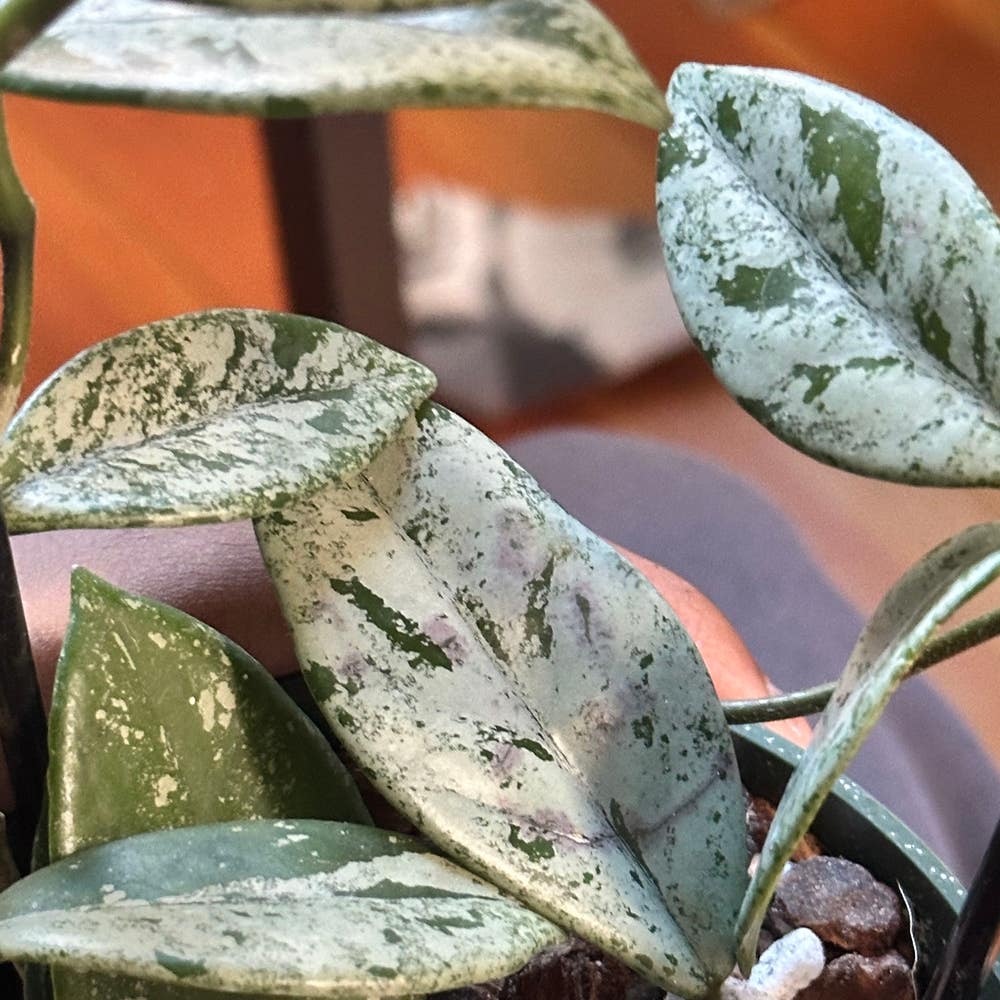
4 Winter Threats to Your Hoya 'Wilbur Graves' ❄️
Hoya carnosa 'Wilbur Graves'
By the Greg Editorial Team
Sep 28, 2024•4 min read
This article was created with the help of AI so we can cover more plants for you. May contain errors. See one? Report it here.
Ensure your Hoya 'Wilbur Graves' flourishes this winter with essential care tips for thriving plants! ❄️🌱
- 💧 Water every 2-3 weeks in winter; let soil dry completely to prevent rot.
- 🌬️ Maintain humidity at 40-60% using trays or misting to avoid stress.
- ❄️ Protect from frost by moving indoors or using frost cloths during cold snaps.
Winter Care Requirements
🌊 Adjusting watering schedules during winter
During winter, it's crucial to adjust your watering schedule for your Hoya 'Wilbur Graves.' Aim to water every 2-3 weeks, allowing the soil to dry out completely between waterings.
Watch for signs of overwatering, such as yellowing leaves and mushy stems. Using a moisture meter can help you gauge when it's time to water, ensuring your plant stays healthy and happy.
❄️ Fertilizing in winter
In winter, it's generally best to reduce or eliminate fertilization since your plant is in dormancy. If you must fertilize, opt for a low-nitrogen, balanced formula.
Timing is key; wait until early spring when growth resumes to give your plant the nutrients it craves.
🌬️ Importance of humidity levels in winter care
Humidity plays a vital role in keeping your Hoya thriving during the colder months. Aim for a humidity range of 40-60% to prevent stress.
To maintain this humidity, consider using pebble trays, humidifiers, or misting your plant. Watch for signs of low humidity stress, like leaf curling and browning edges, to take action before it’s too late.
By following these winter care requirements, you can help your Hoya 'Wilbur Graves' thrive even in the coldest months. Next, let’s explore how to protect your plant from winter threats.
Protection from Winter Threats
❄️ Frost Protection Strategies
Hoya 'Wilbur Graves' thrives best when temperatures stay above 50°F (10°C). To shield your plant from frost, consider using frost cloths or moving pots indoors during cold snaps.
Ensure indoor placements are strategic; keep them away from drafts and cold windows. This simple adjustment can make a significant difference in your plant's winter survival.
🏠 Indoor Care Tips to Prevent Cold Damage
For optimal growth, Hoya 'Wilbur Graves' needs bright, indirect light indoors. Position your plant where it can soak up this light without being exposed to harsh conditions.
Monitoring indoor temperatures is crucial. Aim for a stable environment, avoiding overexposure to heating vents that can dry out your plant.
🚨 Signs of Winter Stress and How to Address Them
Watch for common symptoms of winter stress, such as wilting, leaf drop, and discoloration. These signs indicate your plant may need immediate attention.
To address these issues, adjust your watering schedule and increase humidity levels. Long-term, ensure your Hoya receives proper light and temperature conditions to thrive.
As you prepare for spring, keeping an eye on these winter threats will set your Hoya up for a successful recovery.
Spring Preparation and Recovery
Assessing Winter Damage and Recovery Techniques 🌨️
As winter fades, it’s crucial to evaluate your Hoya 'Wilbur Graves' for any damage. Look for signs like wilting, discoloration, or leaf drop, which indicate stress from the cold months.
To assess health, check the leaves and stems closely. Damaged leaves may appear yellow or brown, while stems could feel mushy or brittle.
For recovery, adjust your watering schedule to ensure the plant isn’t overwatered. Providing adequate light will also help rejuvenate your Hoya as it emerges from dormancy.
Pruning and Care Tips for Spring Revival ✂️
Timing is key for pruning your Hoya. Aim to prune in early spring, just before new growth begins, to promote a healthy start.
When pruning, focus on removing any dead or damaged foliage. This not only improves appearance but also encourages new growth by redirecting energy to healthier parts of the plant.
Consider fertilizing after pruning to give your Hoya a nutrient boost. A balanced, low-nitrogen formula will support its revival as it enters the growing season.
Transitioning Back to Outdoor Conditions 🌱
Once the threat of frost has passed, it’s time to reintroduce your Hoya to outdoor conditions. Wait until after the last frost to ensure a safe transition.
Start the acclimatization process gradually. Place your plant in shaded areas for a few days before moving it to its usual spot in the sun.
Keep an eye on your Hoya during this transition. Watch for signs of stress, such as leaf curling or drooping, and adjust its environment accordingly to ensure a smooth adjustment back to outdoor life.
⚠️ Safety First
This content is for general information and may contain errors, omissions, or outdated details. It is not medical, veterinary advice, or an endorsement of therapeutic claims.
Always consult a qualified healthcare professional before using any plant as food, medicine, or supplement.
Never eat any plant (or feed one to pets) without confirming its identity with at least two trusted sources.
If you suspect poisoning, call Poison Control (800) 222-1222, the Pet Poison Helpline (800) 213-6680, or your local emergency service immediately.
Spotted an error? Please report it here.
Keep your Hoya 'Wilbur Graves' happy and healthy ❄️ this winter with Greg's tailored reminders for watering and humidity, ensuring it thrives despite the seasonal challenges!