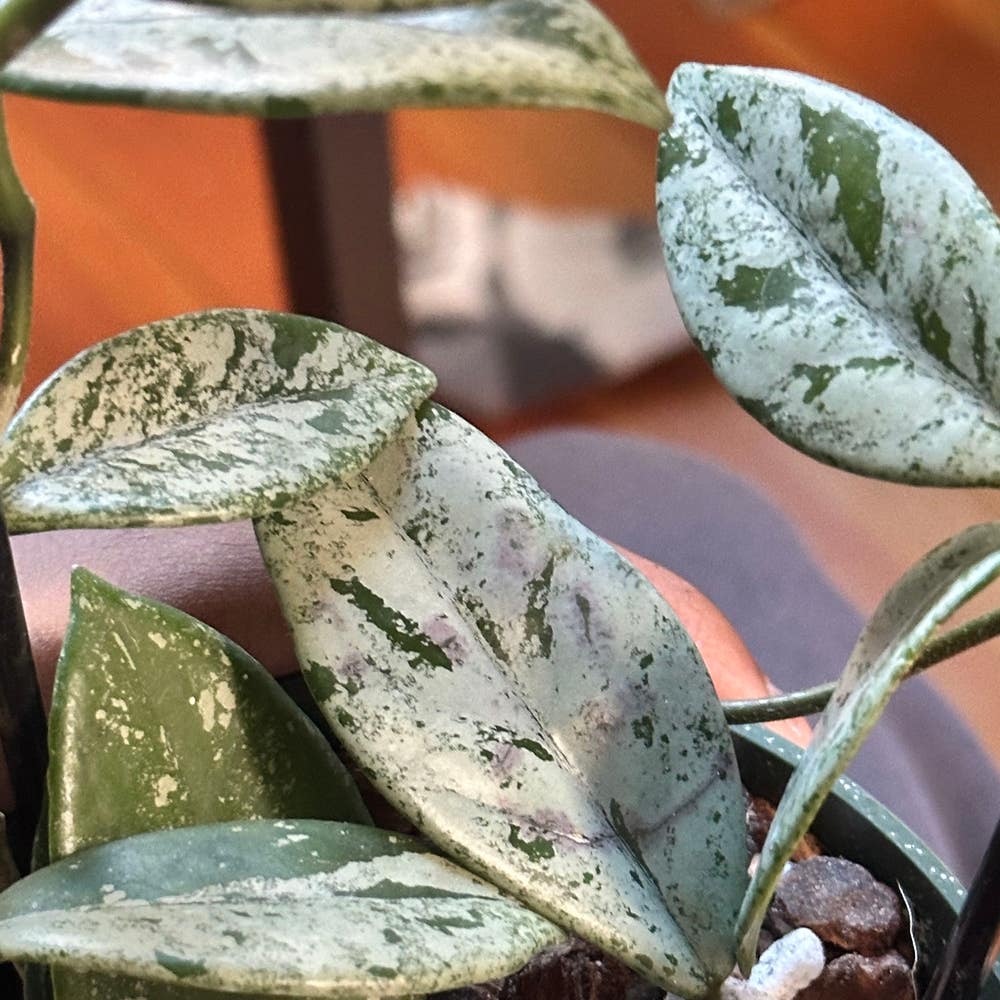
🌱 Hoya 'Wilbur Graves' Roots 101
Hoya carnosa 'Wilbur Graves'
By the Greg Editorial Team
Sep 28, 2024•6 min read
This article was created with the help of AI so we can cover more plants for you. May contain errors. See one? Report it here.
Discover how to nurture Hoya 'Wilbur Graves' roots for a thriving, vibrant plant! 🌱🌍
- 🌱 Hoya 'Wilbur Graves' roots grow 6-12 inches deep, adapting to soil and pot size.
- 💧 Avoid overwatering by checking soil dryness; yellow leaves signal urgent action needed.
- 🌿 Healthy roots are vital for propagation; firm, light-colored roots indicate good health.
Root Depth and Spread
Typical Root Depth 🌱
Hoya 'Wilbur Graves' typically develops roots that reach an average depth of 6 to 12 inches. This depth can vary based on several factors, including soil type, pot size, and watering practices.
Factors Affecting Depth ⚖️
The type of soil you use plays a crucial role in root development. Well-draining soil encourages deeper roots, while compacted or heavy soils can restrict growth.
Root Spread 🌍
When it comes to root spread, Hoya 'Wilbur Graves' can extend its roots up to 24 inches in diameter. This expansive growth allows the plant to efficiently search for nutrients.
Growth Patterns 📈
Roots tend to grow horizontally as they seek out nutrients. This adaptability makes them well-suited for confined spaces, allowing them to thrive even in smaller pots.
Understanding the root depth and spread of Hoya 'Wilbur Graves' is essential for optimal care. Next, we’ll explore how these roots influence watering and fertilizing needs.
Watering and Fertilizing
🌱 Influence of Root System on Watering Needs
Watering your Hoya 'Wilbur Graves' is crucial for a thriving plant. Aim to let the top 1-2 inches of soil dry out between waterings to prevent over-saturation.
Watch for signs of overwatering, such as yellowing leaves and mushy roots. These indicators can signal that your plant is struggling and needs immediate attention.
🌿 Fertilizing Techniques
For optimal growth, use balanced, water-soluble fertilizers. These provide essential nutrients that support root health and overall vigor.
Fertilize every 4-6 weeks during the growing season to keep your plant thriving. Maintaining a nutrient balance is vital for robust root development and plant stability.
With proper watering and fertilizing, your Hoya 'Wilbur Graves' will flourish. Next, let’s explore the best practices for transplanting your plant when it outgrows its current home.
Transplanting Considerations
🌱 Best Practices for Transplanting
Transplanting your Hoya 'Wilbur Graves' is crucial for its growth. The best times to do this are early spring or late summer, as the plant is more resilient during these periods.
Choosing the right soil is equally important. A well-draining potting mix will help prevent root rot and promote healthy growth.
🔍 Signs Indicating When to Transplant
Keep an eye on your plant’s roots. If you notice roots emerging from the drainage holes, it’s a clear sign that it’s time to transplant.
Additionally, if your Hoya appears top-heavy or shows signs of stunted growth, these are indicators that it needs more space to thrive.
Transplanting at the right time and recognizing these signs will ensure your Hoya continues to flourish. Next, let’s explore common root-related issues that can arise and how to tackle them effectively.
Common Root-Related Issues
🕵️ Identifying Root Rot and Other Common Problems
Root rot is a sneaky enemy for Hoya 'Wilbur Graves.' Look for signs like wilting leaves, yellowing foliage, and a foul smell coming from the soil. These symptoms often indicate that the roots are drowning in excess moisture.
But root rot isn't the only concern. Pests, such as root aphids, can also wreak havoc on your plant's root system. Keep an eye out for any unusual growth patterns or visible pests.
🛠️ Prevention and Solutions
Preventing root rot starts with proper drainage. Ensure your pot has adequate holes and avoid overwatering—let the top 1-2 inches of soil dry out between waterings.
If you do encounter root-related issues, don’t panic. Solutions include repotting your plant into fresh soil, trimming away affected roots, and using fungicides to combat any lingering problems. Taking these steps can help restore your plant's health and vitality.
By staying vigilant and proactive, you can keep your Hoya 'Wilbur Graves' thriving. Next, let’s explore how to recognize and address rootbound plants, ensuring your plant has the space it needs to flourish.
Root Health Indicators
Visual Cues for Healthy vs. Unhealthy Roots 🌱
Healthy roots are a gardener's pride. They should feel firm and display a white or light tan color, indicating vitality.
In contrast, unhealthy roots tell a different story. Look for dark, mushy roots or any foul smell emanating from the soil—these are clear signs of trouble.
Other Indicators of Root Health 🌿
Beyond root appearance, plant vigor is a crucial indicator. A robust growth rate and vibrant leaf color suggest that your plant is thriving.
Soil condition also plays a vital role. Check for proper moisture retention and drainage capabilities to ensure your plant's roots are happy and healthy.
Understanding these indicators helps you maintain a thriving Hoya 'Wilbur Graves.' With this knowledge, you can confidently nurture your plant and prevent potential issues.
Next, let’s explore how to recognize and address rootbound plants, ensuring your Hoya continues to flourish.
Recognizing and Addressing Rootbound Plants
🌀 Definition of Rootbound
Rootbound plants occur when roots circle the pot, restricting their growth. This situation can lead to nutrient deficiencies and overall poor plant health.
🔍 Signs of Rootbound Plants
Look for key indicators that your plant is rootbound. Common signs include stunted growth and roots visible at the surface or drainage holes.
🛠️ Corrective Actions
If you suspect your plant is rootbound, take action to remedy the situation. Repotting into a larger container is often the best solution, allowing roots to spread and thrive.
In some cases, root pruning may be necessary to encourage healthier growth. This involves trimming back the circling roots to promote new root development.
By addressing rootbound conditions promptly, you can help your plant regain its vigor and continue to flourish. Next, let’s explore the importance of root health in propagation and division.
Propagation and Division
🌱 Importance of Root Health in Propagation
Healthy roots are the backbone of successful propagation. They ensure efficient nutrient absorption and provide stability, which is crucial for new plants to thrive.
✂️ Techniques for Dividing and Propagating
Propagation Through Cuttings
When propagating through cuttings, choose healthy stems. Ensure they have a few leaves and a node, as this is where roots will develop.
Division Methods
For division, carefully separate root clumps during repotting. This method helps rejuvenate the plant and encourages new growth.
By understanding these techniques, you can effectively propagate Hoya 'Wilbur Graves' and enjoy the satisfaction of nurturing new plants. Next, let’s explore how to recognize and address rootbound plants, ensuring your Hoya continues to flourish.
⚠️ Safety First
This content is for general information and may contain errors, omissions, or outdated details. It is not medical, veterinary advice, or an endorsement of therapeutic claims.
Always consult a qualified healthcare professional before using any plant as food, medicine, or supplement.
Never eat any plant (or feed one to pets) without confirming its identity with at least two trusted sources.
If you suspect poisoning, call Poison Control (800) 222-1222, the Pet Poison Helpline (800) 213-6680, or your local emergency service immediately.
Spotted an error? Please report it here.
Nurturing your Hoya 'Wilbur Graves' roots is key to its success, and with Greg's custom watering alerts and expert care tips, you can keep those roots thriving 🌿!