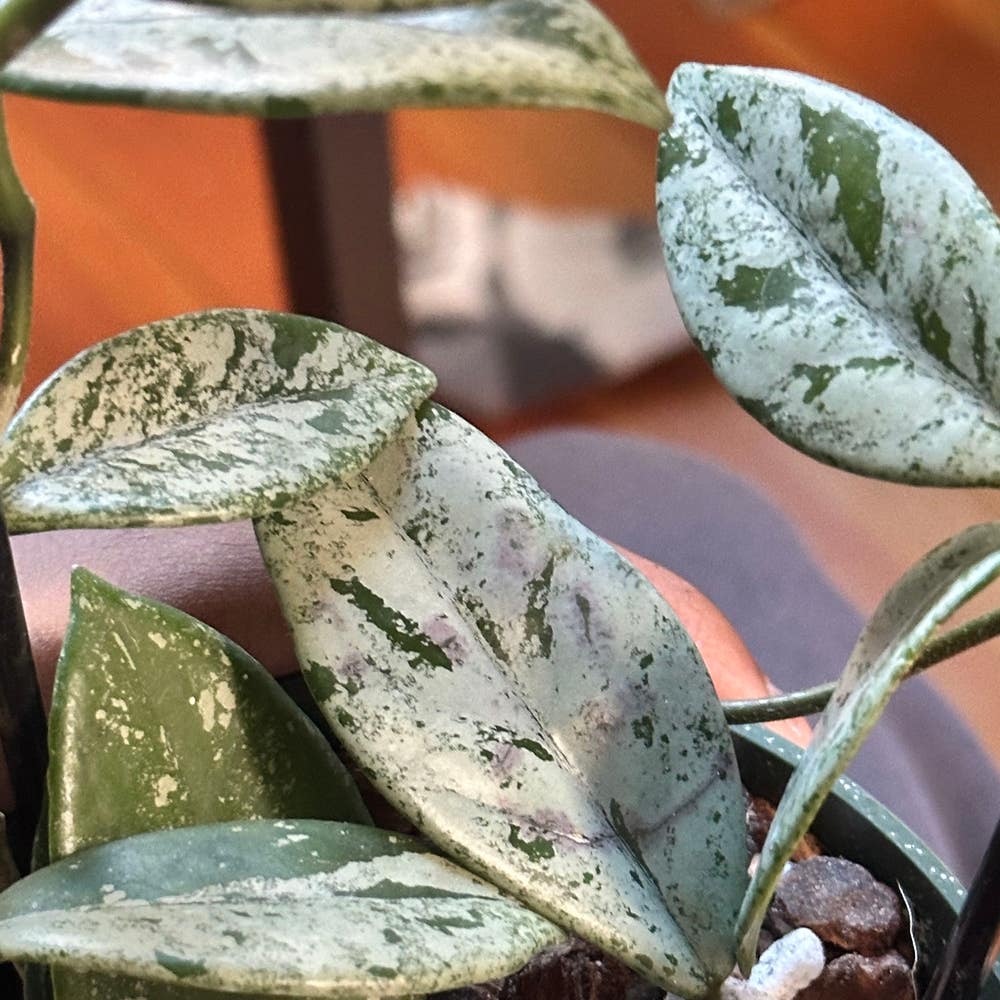
9 Secrets to Thriving Outdoor Hoya 'Wilbur Graves' 🌸
Hoya carnosa 'Wilbur Graves'
By the Greg Editorial Team
Sep 28, 2024•5 min read
This article was created with the help of AI so we can cover more plants for you. May contain errors. See one? Report it here.
Unlock the secret to a thriving Hoya 'Wilbur Graves' with essential care tips for vibrant growth! 🌱
- 🌞 Hoya 'Wilbur Graves' needs 4-6 hours of bright, indirect sunlight daily for thriving.
- 💧 Water only when the top inch of soil is dry to prevent root rot.
- 🌱 Use well-draining soil and fertilize every 4-6 weeks for optimal growth.
Outdoor Care Requirements
🌞 Sunlight Needs
Hoya 'Wilbur Graves' thrives in bright, indirect light, ideally receiving 4 to 6 hours daily. If you notice leggy growth or reduced flowering, it’s a sign your plant isn’t getting enough light.
💧 Watering Requirements and Techniques
Water your Hoya when the top inch of soil dries out. Deep watering encourages robust root growth, but be cautious—yellowing leaves and root rot indicate overwatering.
🌱 Soil Preferences and Amendments
This plant prefers a well-draining potting mix, like cactus mix, to keep its roots happy. Aim for a soil pH between 6.0 and 7.0, and consider adding perlite or orchid bark to enhance drainage.
🥦 Fertilization Schedule and Types
Feed your Hoya every 4 to 6 weeks during the growing season for optimal growth. Use a balanced liquid fertilizer, such as 20-20-20, or slow-release granules; yellowing leaves and poor growth can signal nutrient deficiencies.
By following these outdoor care requirements, you'll set your Hoya 'Wilbur Graves' up for success. Next, let’s explore the best planting options for this beautiful plant.
Planting Options
Container vs. Ground Planting 🌱
When it comes to planting your Hoya 'Wilbur Graves,' you have two main options: containers or the ground.
Container planting offers mobility and lets you control the soil quality, making it easier to manage your plant's needs. However, it does come with limited root space, which can lead to more frequent watering.
On the flip side, ground planting provides natural growth conditions and better moisture retention. Yet, you sacrifice some control over soil quality and expose your plant to potential pests.
Choosing the Right Option 🤔
Choosing the best planting option involves several considerations. Think about your available space, local climate, and your personal preferences.
For those with limited space, container planting is often the best choice. It offers versatility and allows you to easily move your Hoya to find the perfect light conditions.
With these insights, you can confidently decide how to plant your Hoya 'Wilbur Graves' for optimal growth and health. Next, let’s explore how to protect your plant from environmental factors.
Protection from Environmental Factors
☀️ Weather Protection Strategies
To keep your Hoya 'Wilbur Graves' thriving, consider using shade cloth during extreme heat or intense sunlight. This simple addition can shield your plant from scorching rays, ensuring it remains healthy and vibrant.
For colder months, frost protection is crucial. Cover your plant with burlap or frost cloth during cold snaps to prevent damage from freezing temperatures.
🐛 Managing Outdoor Pests
Outdoor pests can be a real headache for your Hoya. Watch for aphids, which cause curled leaves; you can control them effectively with insecticidal soap.
Mealybugs are another common nuisance, identifiable by their white cottony masses. Remove them by hand or treat your plant with neem oil for a more natural approach.
Spider mites can also invade, leaving fine webbing on your plant. To combat this, increase humidity around your Hoya and use miticides as needed.
🦠 Disease Prevention
Preventing disease is key to maintaining a healthy plant. Root rot, often caused by overwatering, can be avoided by ensuring your Hoya is planted in well-draining soil.
Keep an eye out for powdery mildew, which appears as white powdery spots on leaves. Improving air circulation around your plant can help prevent this issue from taking hold.
By implementing these protective measures, you can create a thriving environment for your Hoya 'Wilbur Graves'. Next, let’s explore the seasonal care needed to keep your plant flourishing throughout the year.
Seasonal Care
Seasonal Changes and Their Impact 🌦️
Understanding the seasonal growth patterns of your Hoya 'Wilbur Graves' is crucial for its health. It thrives with active growth in spring and summer, while winter brings a period of dormancy that requires reduced watering and fertilization.
Winter Care Tips ❄️
As temperatures drop below 15°C (59°F), it's time to transition your plant indoors. During this period, adjust your watering routine to prevent root rot by allowing the soil to dry out more between waterings.
Spring Growth and Fertilization Adjustments 🌱
With the arrival of spring, watch for signs of new growth, such as fresh leaves and flower buds. This is the perfect time to resume your regular fertilization schedule to support the plant's revitalization.
Summer Watering and Heat Management ☀️
In summer, your Hoya will need increased watering frequency. Keep a close eye on soil moisture, and if you notice wilting leaves, provide afternoon shade to help it cope with the heat.
Fall Preparation 🍂
As fall approaches, it's time for final pruning to remove any dead or damaged growth. Prepare your plant for dormancy by reducing watering and stopping fertilization, ensuring it’s ready for the winter months ahead.
Transitioning through the seasons with your Hoya 'Wilbur Graves' not only enhances its growth but also deepens your connection with this beautiful plant. Next, let’s explore advanced care techniques to further elevate your gardening skills.
Advanced Care Techniques
Pruning Techniques ✂️
Pruning your Hoya 'Wilbur Graves' is essential for maintaining its health and appearance. The best time to prune is early spring, just before new growth begins.
Remove any leggy growth and dead leaves to encourage a bushier plant. This not only improves aesthetics but also promotes better airflow, reducing the risk of disease.
Propagation Methods 🌱
If you're looking to expand your collection, propagation is a rewarding option. For stem cuttings, select pieces that are 4-6 inches long, ensuring each cutting has at least one node.
Use a rooting medium that combines perlite and peat moss for optimal results. Spring or early summer is the ideal time for this process, as the plant is actively growing.
Troubleshooting Common Issues 🛠️
Even the most seasoned plant parents face challenges. If you notice yellowing leaves, it’s crucial to check for overwatering or nutrient deficiencies.
For poor flowering, ensure your Hoya is receiving adequate light and proper fertilization. Addressing these issues promptly can lead to a thriving plant.
With these advanced care techniques, your Hoya 'Wilbur Graves' will not only survive but thrive, bringing beauty and joy to your outdoor space. Next, let’s explore how to protect your plant from environmental factors.
⚠️ Safety First
This content is for general information and may contain errors, omissions, or outdated details. It is not medical, veterinary advice, or an endorsement of therapeutic claims.
Always consult a qualified healthcare professional before using any plant as food, medicine, or supplement.
Never eat any plant (or feed one to pets) without confirming its identity with at least two trusted sources.
If you suspect poisoning, call Poison Control (800) 222-1222, the Pet Poison Helpline (800) 213-6680, or your local emergency service immediately.
Spotted an error? Please report it here.
Keep your Hoya 'Wilbur Graves' thriving outdoors 🌱 by using Greg for tailored care reminders and expert tips that ensure it gets just the right light and water!