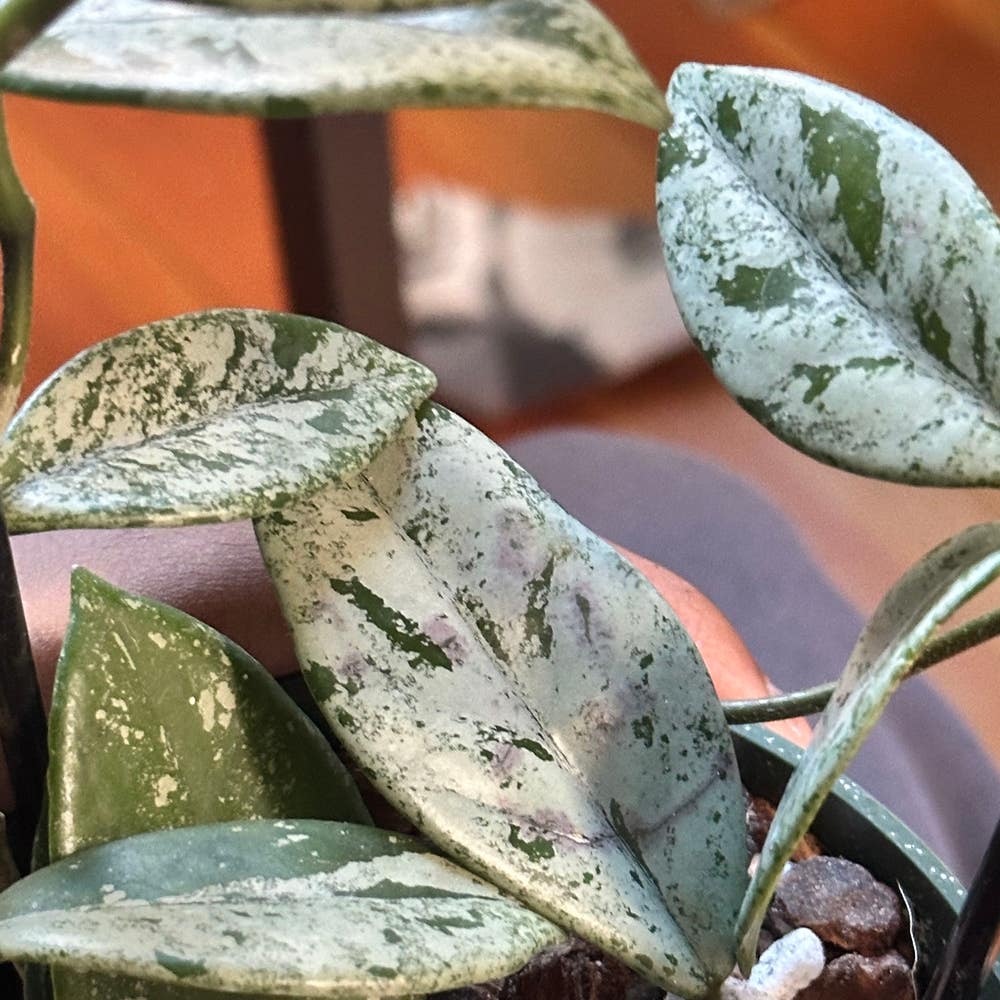
🌞 Is Direct Sunlight Good for My Hoya carnosa 'Wilbur Graves'?
Hoya carnosa 'Wilbur Graves'
By the Greg Editorial Team
Jan 22, 2024•5 min read
This article was created with the help of AI so we can cover more plants for you. May contain errors. See one? Report it here.
Nurture your 'Wilbur Graves' to perfection by mastering its ideal sunlight balance. 🌞🌱
- 🌞 Direct vs. indirect sunlight: 'Wilbur Graves' thrives in bright, indirect light.
- Window direction matters: North and east-facing windows are ideal for 'Wilbur Graves'.
- Seasonal adjustments needed: Use filters, reflectors, or relocation to manage sunlight year-round.
Sunlight Decoded: Direct vs. Indirect
🌞 What Exactly is Direct Sunlight?
Direct sunlight is the unfiltered MVP of the solar rays game, hitting your plants like a spotlight. It's that intense light that casts sharp, defined shadows, and it's what you picture when you think of a plant basking in the sun's full glory. Indirect sunlight, however, is the softer, gentler cousin, providing a bright but diffused light that wraps around your Hoya carnosa 'Wilbur Graves' without overwhelming it.
The Sun's Daily Journey and Your Hoya
The sun's path isn't just for weather nerds or sundial enthusiasts; it's crucial for your 'Wilbur Graves'. As the sun arcs across the sky, the quality of light changes, and so does your plant's mood. Morning light can be gentle and welcoming, while afternoon rays are like a harsh critique on your Hoya's water intake. Understanding this daily light cycle helps you position your 'Wilbur Graves' in a spot where it gets the right amount of sun kisses, not slaps.
Can 'Wilbur Graves' Soak Up the Sun?
🌴 Native Secrets: What the Hoya's Homeland Tells Us
Hoya carnosa 'Wilbur Graves' hails from the tropical forests, where dappled sunlight filters through the canopy. This environment clues us into its preference for bright, indirect light. Mimicking these conditions at home means placing your 'Wilbur Graves' where it can bask in similar gentle rays.
🌞 The Tolerance Test: How Much Sun is Just Right?
'Wilbur Graves' will tell you when it's had its fill of sunshine. Crispy leaves? Too much sun. Limp, lackluster growth? It's craving more. Aim for a sweet spot where the leaves are vibrant and the plant is thriving. Keep an eye out for signs of sun stress, such as bleaching or wilting, and adjust your plant's position accordingly. Remember, it's about finding the right balance, not extremes.
Through the Window: The Direction Dilemma
🌞 North, South, East, or West: Where to Best Host Your Hoya
North-facing windows are the introverts of the window world, offering a steady stream of indirect light that won't overwhelm your 'Wilbur Graves'. It's the chill zone, where your Hoya can kick back without fear of a sunburn.
East-facing windows serve up a gentle morning latte of sunlight—mild and invigorating. It's the perfect spot for your Hoya to start its day, soaking in the sunrise without the harsh midday glare.
South-facing windows are the life of the party, dishing out bright, direct light all day. It's like a non-stop rave for sunlight lovers, but for your 'Wilbur Graves', it's a bit much. Sheer curtains are your bouncer here, keeping the sunlight in check.
West-facing windows can be the tricksters, luring plants with a soft morning only to blast them with an intense afternoon light show. It's the plot twist your 'Wilbur Graves' didn't see coming, so you might want to offer some shade during the peak hours.
Hemisphere Highlights: Sun Intensity and Your Plant
Your geographical location isn't just for bragging about your cool city—it's a key player in your Hoya's sunbathing routine. In the Northern Hemisphere, south-facing windows are the VIP seats for sun exposure. But if you're chilling in the Southern Hemisphere, it's the north-facing windows that are soaking up the rays.
Remember, the sun's path isn't just a cool thing to track on a lazy Sunday—it's essential intel for keeping your 'Wilbur Graves' in that Goldilocks zone. Not too hot, not too cold, but just right. Keep an eye on the sky, and don't be afraid to shuffle your Hoya around as the seasons change. It's all about that perfect balance of light to keep your plant strutting its stuff.
Seasonal Sun Strategies for 'Wilbur Graves'
🌞 Summer vs. Winter: Adapting to the Sun's Changing Mood
As the seasons shift, so should your Hoya carnosa 'Wilbur Graves' sunbathing routine. Summer means longer days, more intense light, and the risk of your Hoya getting a sunburn. It's time to play plant lifeguard and provide some shade during the midday peak.
Come winter, the sun plays hard to get, and your 'Wilbur Graves' might start craving those elusive rays. Move it closer to the light source or consider a grow light to compensate for the sun's shyness. Remember, it's about keeping that splash on the leaves vibrant, not washed out.
🎨 Creative Sun Solutions: Filters, Reflectors, and Relocation
Filters are your friend. Sheer curtains can be the perfect sunglasses for your Hoya, diffusing that harsh summer light. It's like giving your plant a pair of stylish aviators.
Reflectors can bounce some extra lumens onto your 'Wilbur Graves'. Aluminum foil or a mirror can work wonders, especially when the sun is on its winter sabbatical.
Relocation isn't just for witness protection. Sometimes, it's what your Hoya needs to avoid a sunburn or to chase those precious photons. Keep an eye on the light throughout the day; your plant's ideal spot might just be a few feet away.
Rotate your Hoya regularly to avoid the one-sided tan and ensure even growth. It's like turning a rotisserie chicken; every part deserves some spotlight.
Lastly, don't be afraid to test out different spots in your home. The perfect balance of light might be in the most unexpected corner. It's a dance with the sun, and you're choreographing the moves.
⚠️ Safety First
This content is for general information and may contain errors, omissions, or outdated details. It is not medical, veterinary advice, or an endorsement of therapeutic claims.
Always consult a qualified healthcare professional before using any plant as food, medicine, or supplement.
Never eat any plant (or feed one to pets) without confirming its identity with at least two trusted sources.
If you suspect poisoning, call Poison Control (800) 222-1222, the Pet Poison Helpline (800) 213-6680, or your local emergency service immediately.
Spotted an error? Please report it here.
Ensure your Hoya carnosa 'Wilbur Graves' flourishes with the right light by letting Greg auto-magically 🌟 pinpoint the ideal spot for it in your home.