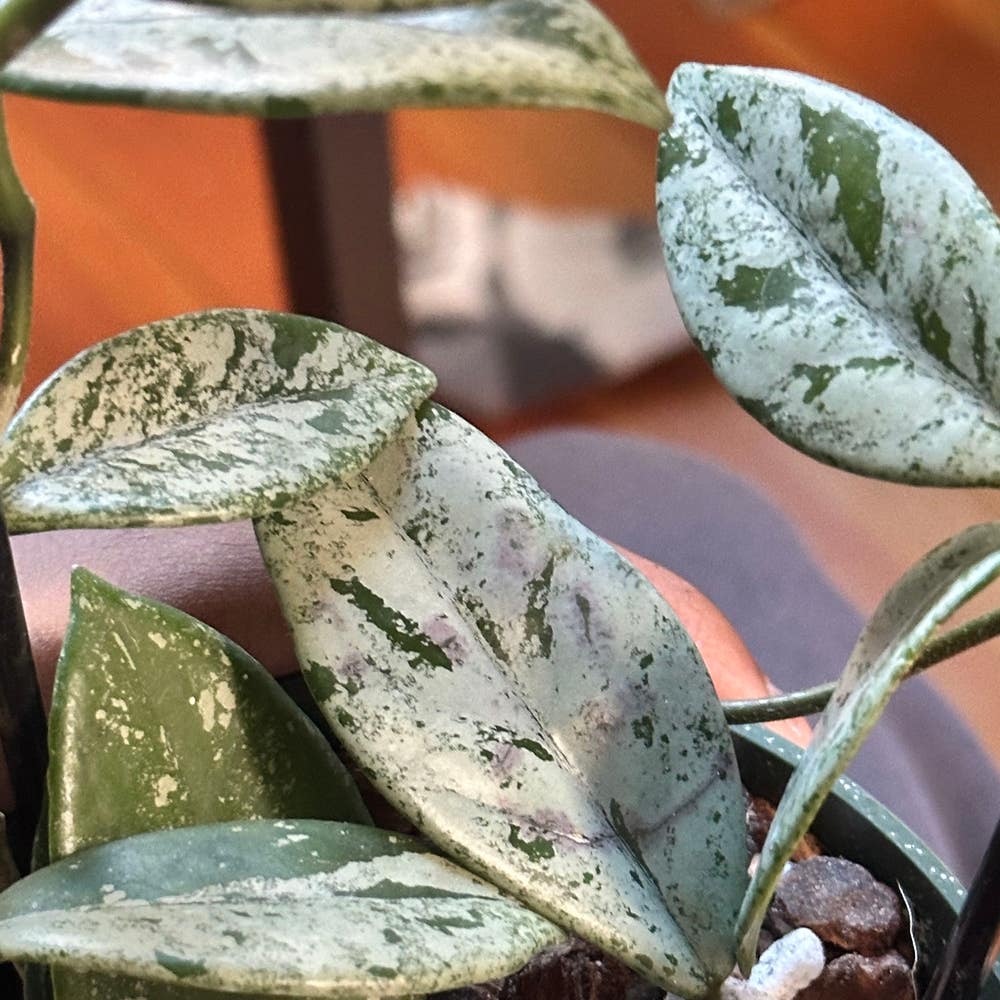
The Best Pollinators for Your Hoya 'Wilbur Graves' 🐝
Hoya carnosa 'Wilbur Graves'
By the Greg Editorial Team
Sep 28, 2024•6 min read
This article was created with the help of AI so we can cover more plants for you. May contain errors. See one? Report it here.
Uncover the secrets of Hoya 'Wilbur Graves' 🌼 and how its stunning flowers attract vital pollinators for thriving growth!
- 🌼 Hoya 'Wilbur Graves' attracts bees, butterflies, and hummingbirds for effective pollination.
- 🌱 Cross-pollination boosts genetic diversity, enhancing plant resilience and fruit production.
- 🌞 Optimal conditions like warmth and humidity increase pollinator activity for better yields.
Flower Structure
Description of Characteristics 🌼
Hoya 'Wilbur Graves' boasts stunning star-shaped flowers that feature a unique waxy texture. Their creamy white to pale yellow petals, accented by a reddish center, create a striking visual appeal.
Clusters of these flowers bloom on long peduncles, making them not only beautiful but also easy for pollinators to access. This arrangement is crucial for effective pollination.
Role in Pollination 🐝
The bright colors and distinctive shape of Hoya 'Wilbur Graves' flowers are designed to attract a variety of pollinator species. This natural allure enhances the chances of successful pollen transfer.
The flower structure facilitates easy access for pollinators, ensuring that they can efficiently gather and distribute pollen. Additionally, the plant features adaptations that support both self-pollination and cross-pollination, maximizing reproductive success.
In essence, the design of Hoya 'Wilbur Graves' flowers is a perfect blend of beauty and functionality, making them a favorite among both gardeners and pollinators alike.
As we delve deeper into the pollination process, we’ll explore how these flowers can reproduce both on their own and with the help of external pollinators.
Pollination Process
Self-Pollination 🌼
Hoya 'Wilbur Graves' has a fascinating ability to self-pollinate. This occurs because the male and female flower parts are in close proximity, allowing for efficient pollen transfer.
While self-pollination can happen, relying solely on this method may limit fruit and seed production. Exploring additional pollination techniques can significantly enhance yields.
Cross-Pollination 🌍
Cross-pollination is vital for Hoya 'Wilbur Graves' as it promotes genetic diversity. This diversity is essential for the plant's resilience and adaptability.
Primary Pollinators
Several key pollinators play a crucial role in this process:
- Bees: Attracted by the flower's vibrant colors and sweet scent, bees are essential for effective pollen transfer.
- Butterflies: Their feeding habits not only help them but also promote cross-pollination as they flit from flower to flower.
- Moths: Active at night, moths contribute to pollination when other pollinators are less active.
- Hummingbirds: Drawn to the nectar, these birds also assist in transferring pollen, making them valuable allies in the pollination process.
Understanding these mechanisms can help you appreciate the intricate relationships between Hoya 'Wilbur Graves' and its pollinators. As we delve deeper into the natural world, we can see how vital these interactions are for the plant's survival and growth.
Next, we’ll explore the natural mechanisms of pollen transfer and their importance in the life cycle of Hoya 'Wilbur Graves'.
Natural Pollination
🌼 Mechanisms of Pollen Transfer
Pollinators play a crucial role in transferring pollen from one flower to another. Each species interacts uniquely with the Hoya 'Wilbur Graves', ensuring effective pollen transfer.
Bees are attracted to the flower's vibrant colors and sweet scent. As they move from flower to flower, they inadvertently carry pollen on their bodies.
Butterflies are drawn to the nectar, promoting cross-pollination while feeding. Their delicate movements help to spread pollen effectively.
Moths, active at night, contribute to pollination when other pollinators are absent. Their nocturnal visits ensure that the flowers are pollinated around the clock.
Hummingbirds are also significant players, lured by the flower's nectar. Their quick movements facilitate rapid pollen transfer, enhancing the plant's reproductive success.
Timing is essential for successful pollination. Optimal conditions, such as warm temperatures and moderate humidity, encourage pollinator activity. When these factors align, the chances of effective pollen transfer increase dramatically.
🌱 Importance
Pollination is vital for the reproduction of Hoya 'Wilbur Graves'. It leads to the formation of seeds and fruits, ensuring the continuation of the species.
Moreover, cross-pollination enhances genetic diversity. This variability is crucial for the plant's adaptability and resilience in changing environments. By fostering a diverse gene pool, the species can thrive and evolve over time.
Understanding these mechanisms and their importance can inspire you to create a more pollinator-friendly environment. This not only benefits your plants but also supports the broader ecosystem.
As we delve deeper into the next section, we'll explore hand pollination techniques that can further enhance your success with Hoya 'Wilbur Graves'.
Hand Pollination Techniques
Hand pollination can be a rewarding way to ensure your Hoya 'Wilbur Graves' thrives. Here’s a straightforward guide to help you navigate the process.
Step 1: Identify Male and Female Flower Parts 🌸
First, locate the male and female components of the flower. The male parts are the anthers, which contain the pollen, while the female part is the stigma, designed to receive pollen.
Step 2: Collecting Pollen 🧹
Next, gather pollen from the anthers. A small brush or cotton swab works perfectly for this task, allowing you to collect just the right amount without damaging the flower.
Step 3: Transferring Pollen 🔄
Once you have the pollen, it’s time to transfer it. Gently apply the collected pollen to the stigma of the same flower or another flower to promote fertilization.
Step 4: Timing ⏰
Timing is crucial for successful hand pollination. Aim to perform this process during the flower's peak blooming period for the best results.
Hand pollination not only boosts your plant's chances of producing seeds and fruits but also deepens your connection with your Hoya. With these techniques, you can actively participate in the pollination process, ensuring a vibrant and healthy plant.
Next, let’s explore how to create a pollinator-friendly environment to support your Hoya and its buzzing friends!
Supporting Pollinators
🌼 Creating a Pollinator-Friendly Environment
To attract a variety of pollinators, plant diversity is key. Incorporating a mix of flowering plants ensures that different species find food sources throughout the growing season.
Providing shelter and nesting sites is equally important. Pollinators need safe spaces to rest and reproduce, so consider adding features like bee hotels or native grasses.
🌱 Companion Plants
Choosing the right companion plants can significantly enhance your garden's appeal to pollinators. Here are some excellent options:
- Lavender: This fragrant herb attracts both bees and butterflies, making it a favorite among pollinators.
- Marigolds: Known for their vibrant colors, marigolds draw in various pollinator species, adding beauty to your garden.
- Coneflowers: These hardy plants provide nectar that butterflies and bees love, ensuring your garden buzzes with activity.
By selecting these companion plants, you can create a thriving ecosystem that supports Hoya 'Wilbur Graves' and its pollinators.
Incorporating these strategies not only benefits your plants but also contributes to the overall health of local ecosystems. Next, let’s explore the challenges pollinators face and how we can help them thrive.
Pollination Challenges
🚧 Common Obstacles
Pollination can be tricky for Hoya 'Wilbur Graves' due to various environmental factors. Temperature fluctuations and humidity levels can significantly impact pollinator activity, making it harder for these essential creatures to do their job.
In urban settings, the lack of natural pollinators poses another challenge. With fewer bees, butterflies, and other pollinators around, your plants may struggle to achieve optimal pollination.
💡 Solutions
Creating microclimates can help mitigate these issues. By enhancing humidity and warmth in specific areas of your garden, you can encourage pollinator activity even during less-than-ideal weather.
Additionally, consider planting strategies that increase plant diversity. Ensuring a continuous bloom throughout the growing season will attract a variety of pollinators, making your garden a buzzing hub of activity.
By addressing these challenges, you can support the vital role of pollinators in your Hoya 'Wilbur Graves' garden. This proactive approach not only enhances pollination but also contributes to a thriving ecosystem.
Next, let’s explore how to support these pollinators effectively.
⚠️ Safety First
This content is for general information and may contain errors, omissions, or outdated details. It is not medical, veterinary advice, or an endorsement of therapeutic claims.
Always consult a qualified healthcare professional before using any plant as food, medicine, or supplement.
Never eat any plant (or feed one to pets) without confirming its identity with at least two trusted sources.
If you suspect poisoning, call Poison Control (800) 222-1222, the Pet Poison Helpline (800) 213-6680, or your local emergency service immediately.
Spotted an error? Please report it here.
Enhance your Hoya 'Wilbur Graves' blooms and attract vital pollinators 🌸 by using Greg's tailored reminders for optimal care and creating a thriving garden environment!