🐛 What's Eating Your Flowering Maple
Abutilon 'Lucky Lantern Yellow'
By the Greg Editorial Team
Oct 17, 2024•7 min read
This article was created with the help of AI so we can cover more plants for you. May contain errors. See one? Report it here.
- 🌼 Flowering Maples attract herbivores; young shoots are especially vulnerable in spring.
- 🦌 Deer and rabbits can severely damage flowering maples; fencing is essential for protection.
- 🌱 Companion planting and monitoring help deter pests while enhancing garden aesthetics.
Appearance and Appeal
🌿 Description of Flowering Maple
The Flowering Maple typically grows to a height of 3-6 feet, making it a manageable addition to any garden. Its heart-shaped leaves, with serrated edges, boast a vibrant green hue that adds a lush backdrop to its colorful blooms.
🌼 Vibrant Flowers
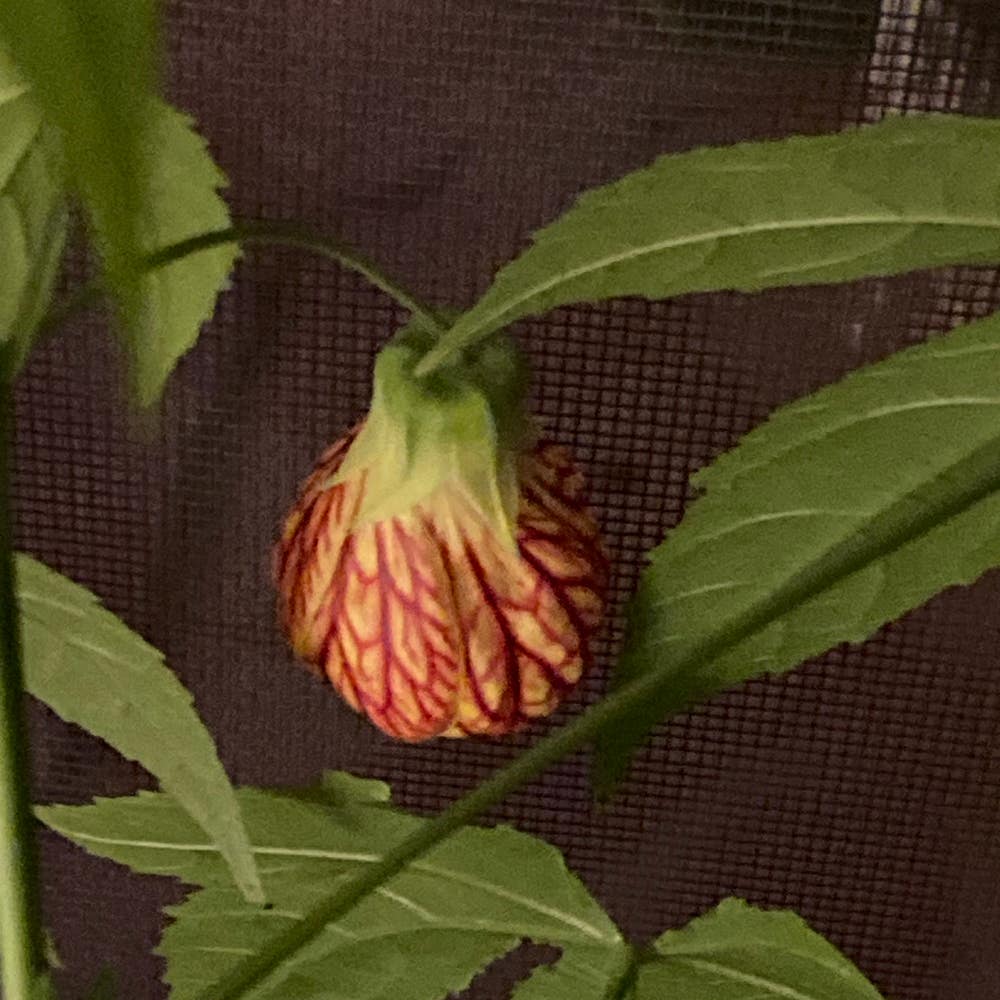
The flowers of the Flowering Maple are a stunning sight, featuring bright shades of yellow, orange, and red. These pendulous blooms not only captivate the eye but also serve as a magnet for pollinators and herbivores alike.
🐾 Most Appealing Parts to Animals
Tender Young Shoots
Tender young shoots are soft and nutritious, making them a favorite snack for various animals. Their delicate texture is hard to resist, especially in the spring when new growth emerges.
Vibrant Flowers
The vibrant flowers attract not just pollinators but also herbivores looking for a tasty treat. This dual appeal can lead to increased animal activity around your flowering maple.
Potential Fruit
As the season progresses, the potential fruit becomes sweet and enticing. This sugary offering draws in a variety of animals, eager to indulge in the bounty.
In summary, the Flowering Maple's combination of height, lush leaves, and vibrant flowers makes it an appealing target for many animals. Understanding these attractive features can help you better protect your plant from herbivores while enjoying its beauty.
Next, we’ll explore the common herbivores that may be drawn to your Flowering Maple and the signs of their presence.
Common Herbivores
🦌 Deer
Signs of presence and damage caused
Look for hoof prints in muddy areas, which indicate deer activity. You may also notice leaves stripped from lower branches and broken stems, clear signs of their browsing habits.
Interaction with the plant
Deer can be particularly harmful, often decimating young plants and hindering their growth. Their appetite for tender shoots can leave your flowering maple looking bare.
Deterrent methods (difficulty: moderate)
To keep deer at bay, consider using commercial deer repellents. Alternatively, planting strong-smelling herbs like lavender or rosemary nearby can create a natural barrier.
🐇 Rabbits
Signs of presence and damage caused
Rabbits leave small, round prints in the soil. You might also find cleanly cut stems and leaves, often at a distinctive 45-degree angle.
Interaction with the plant
These little munchers can severely stunt growth and reduce flowering. Their nibbling can be particularly detrimental to young plants.
Deterrent methods (difficulty: easy)
Bitter-tasting sprays can deter rabbits effectively. For a more organic approach, erecting a fence 2-3 feet high or using cayenne pepper as a repellent can work wonders.
🐿️ Squirrels
Signs of presence and damage caused
Chewed bark and leaves indicate squirrels are feeding on your flowering maple's young shoots. You may also spot nests in nearby trees, hinting at their presence.
Interaction with the plant
Squirrels can cause significant damage, especially to young plants. Their relentless chewing can hinder growth and overall health.
Deterrent methods (difficulty: moderate)
Commercial squirrel repellents can help protect your plants. You might also try scattering predator urine or setting up motion-activated sprinklers to scare them off.
🐦 Birds
Signs of presence and damage caused
Look for pecking marks on flowers and fruits, as well as twigs and debris around the base of the plant, which indicate nesting.
Interaction with the plant
Birds can be a mixed bag; they help with pollination and seed dispersal but can also damage flowers and fruits before they mature.
Deterrent methods (difficulty: easy)
Non-toxic bird repellents can keep these feathered friends at bay. Hanging reflective objects or using bird netting are effective organic methods to protect your blooms.
🐭 Rodents (mice, voles, etc.)
Signs of presence and damage caused
Burrows near the base of the plant and gnaw marks on stems and roots are telltale signs of rodent activity.
Interaction with the plant
Rodents can undermine plant health and stability, posing a serious threat to your flowering maple. Their burrowing can disrupt root systems.
Deterrent methods (difficulty: hard)
Rodent bait stations can be effective but require caution. For a more organic approach, traps and planting deterrent plants like mint can help keep them away.
🦡 Groundhogs/Woodchucks
Signs of presence and damage caused
Look for large burrows and trails leading to your flowering maple. Significant chewing on stems and leaves is another clear indicator.
Interaction with the plant
Groundhogs can be particularly harmful, often stripping plants of foliage entirely. Their voracious appetite can devastate your garden.
Deterrent methods (difficulty: moderate)
Commercial repellents can deter groundhogs, but fencing is often more effective. A fence 3-4 feet high can serve as a solid barrier against these persistent herbivores.
Understanding the common herbivores that threaten your flowering maple is crucial for its protection. By employing the right deterrent methods, you can create a thriving environment for your plants while keeping unwanted visitors at bay. Next, let’s explore general strategies for protecting your flowering maple from these herbivores.
General Strategies for Protection
🛡️ Preventive Measures
Fencing is one of the most effective ways to keep larger herbivores away from your flowering maple. Installing barriers that are at least 3-4 feet high can deter deer and groundhogs from munching on your plants.
Companion planting is another smart strategy. By surrounding your flowering maple with strong-smelling herbs like lavender or rosemary, you can naturally repel herbivores while enhancing your garden's beauty.
🚨 Reactive Solutions
Regular monitoring is crucial for early detection of animal activity. Check your plants frequently for signs of damage or tracks, allowing you to act quickly.
Once you spot any signs of herbivores, implement deterrents immediately. Quick responses can save your plants from significant harm.
🌱 Balancing Ecosystem
Using organic methods helps minimize chemical impacts on your garden. Consider natural repellents and barriers that are safe for the environment.
Encouraging beneficial wildlife is also essential. While managing harmful interactions, you can promote pollinators and other helpful creatures that contribute positively to your garden's ecosystem.
By combining these strategies, you can create a thriving environment for your flowering maple while keeping unwanted visitors at bay. Next, let’s explore the seasonal considerations that affect your plant's vulnerability and animal attraction.
Seasonal Considerations
Seasonal Variations in Animal Attraction 🦋
As the seasons change, so does the activity around your flowering maple.
Spring brings a surge of life, with young shoots emerging and enticing herbivores eager for a nutritious snack.
In summer, the vibrant flowers bloom, attracting not just pollinators but also a variety of hungry animals looking for a feast.
By fall, the focus shifts to foraging, as animals seek out seeds and fruits, making your flowering maple a prime target.
Timing of Plant Vulnerability ⏰
Understanding when your flowering maple is most vulnerable can help you protect it effectively.
Young plants are particularly at risk in early spring and late summer, times when their tender growth is most appealing to herbivores.
Being aware of these seasonal patterns allows you to implement protective measures just when they’re needed most.
With this knowledge, you can enjoy the beauty of your flowering maple while keeping it safe from hungry visitors.
Next, let’s explore some general strategies for protecting your plants from these seasonal threats.
Toxicity and Safety
Toxic Effects on Animals 🐾
Certain parts of the flowering maple can be mildly toxic. This toxicity may lead to gastrointestinal upset in some animals, making them think twice before munching on your beloved plant.
Implications for Interactions 🦙
Interestingly, animals often avoid the flowering maple after experiencing negative effects. Understanding this toxicity can be a game-changer in managing animal behavior, helping you protect your plants while maintaining a healthy garden ecosystem.
Practical Takeaways 📋
- Monitor Animal Behavior: Keep an eye on how local wildlife interacts with your flowering maple.
- Educate Yourself: Knowing which parts are toxic can help you make informed decisions about plant placement and care.
By being aware of these toxic effects, you can create a safer environment for both your plants and the local wildlife. This knowledge not only aids in protection but also fosters a deeper appreciation for the delicate balance of nature.
As we move forward, let’s explore the seasonal considerations that affect the flowering maple and its interactions with herbivores.
⚠️ Safety First
This content is for general information and may contain errors, omissions, or outdated details. It is not medical, veterinary advice, or an endorsement of therapeutic claims.
Always consult a qualified healthcare professional before using any plant as food, medicine, or supplement.
Never eat any plant (or feed one to pets) without confirming its identity with at least two trusted sources.
If you suspect poisoning, call Poison Control (800) 222-1222, the Pet Poison Helpline (800) 213-6680, or your local emergency service immediately.
Spotted an error? Please report it here.
Safeguard your Flowering Maple's beauty from hungry herbivores 🌿 with Greg's tailored care tips and reminders, ensuring it thrives in your garden!