Why Is My Flowering Maple Not Doing Well?
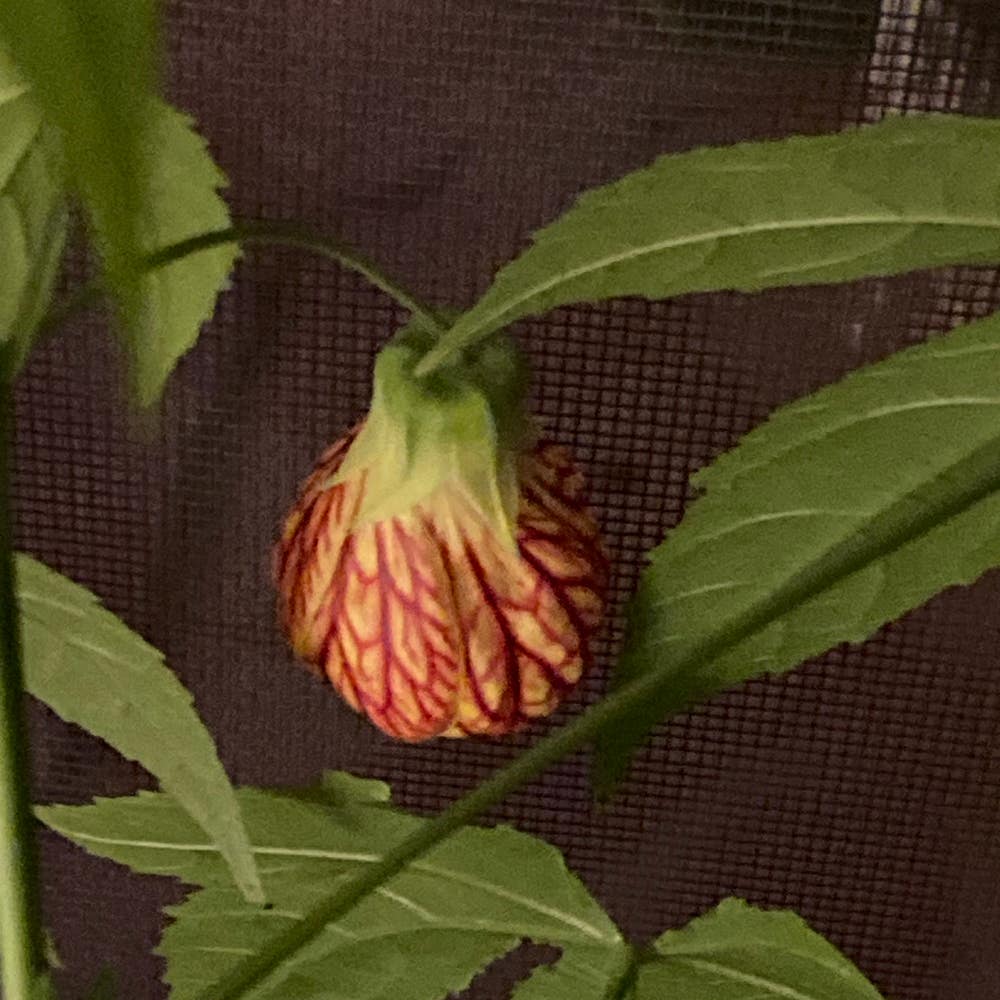
Abutilon 'Lucky Lantern Yellow'
By the Greg Editorial Team
Mar 04, 2024•4 min read
This article was created with the help of AI so we can cover more plants for you. May contain errors. See one? Report it here.
- Yellow or crispy leaves? Check watering habits—overwatering and underwatering are common culprits.
- 🌡️ Keep it comfy between 65°F and 80°F with bright, indirect light.
- 🌱 Prune and repot to combat root rot and refresh soil for a happier Flowering Maple.
When Water Woes Wilt Your Maple
🚰 Spotting the Signs
Your Flowering Maple's leaves are the tattle-tales of its hydration health. Yellowing leaves and a wilted spirit often point to overwatering, while crispy, brown-edged leaves whisper of thirst from underwatering. If the soil feels like a swamp, it's time to back off the watering can. Conversely, a pot that's dry as a bone beckons for a drink.
🚰 Fine-Tuning Your Watering Technique
To avoid the extremes of a desert or a deluge, monitor the soil. Use your finger or a moisture meter to check the top inch of soil; dryness here means it's time to water. Remember, consistency is your Flowering Maple's best friend—establish a watering routine that adapts to the plant's needs and the current climate.
🚰 Recovery Roadmap
If you've overdone it with H2O, stop watering and let the soil dry out. For an underwatered Maple, introduce a more generous, yet measured, watering routine. Don't just flood the scene; think gradual rehydration. Adjust your approach based on your plant's feedback and watch your Flowering Maple bounce back with vigor.
Light and Temperature: The Balancing Act
⛱️ Reading the Leaves
Leaves curling inward signal too much light; they're practically throwing up sun umbrellas. When they stretch out, reaching for more, it's a clear sign of too little light. Your Flowering Maple's foliage is a built-in barometer for its light needs.
🌡️ Keeping the Temperature Just Right
65°F to 80°F—that's the sweet spot for your Flowering Maple. It's not asking for a tropical vacation, just a stable, cozy climate without the drama of temperature swings.
🛠️ Quick Fixes for Light and Temperature Troubles
If your plant's leaves are throwing shade for being in too much sun, relocate it to a spot with bright, indirect light. Too chilly? Move it away from drafty windows and doors. Keep it simple: adjust and observe.
Pests and Pathogens: Unwanted Guests
🐛 Common Culprits
Aphids, spider mites, and whiteflies are the usual suspects when it comes to pests. These tiny invaders can wreak havoc on your Flowering Maple, with aphids clustering on new growth, spider mites spinning fine webs, and whiteflies taking off in a flurry when disturbed. Regular inspections are crucial to catch these pests early.
🍄 Mold and Fungus Among Us
Mold and fungus are the party crashers of the plant world, thriving in damp conditions with poor air circulation. Mold appears as a fuzzy or powdery coating on leaves or soil, while fungus might present as unsightly spots. If you notice a musty smell or yellowing leaves, it's time to check for these unwelcome guests.
⚔️ Winning the Battle
To evict these pests, isolation and a targeted approach are key. A soapy water solution or insecticidal soap can show aphids and mealybugs the door. For mold and mildew, increase airflow and consider a fungicide if they're stubborn. Introducing natural predators like ladybugs can help with aphids, while predatory mites are the nemesis of spider mites. Remember, prevention is the best medicine—keep your plant's environment clean and well-ventilated to avoid future infestations.
Root Rot: The Silent Killer
🚨 Early Warning Signals
Root rot in Flowering Maple is a covert adversary, striking from below the surface. Watch for yellowing leaves or a halt in growth—these are your plant's distress signals. A squishy texture in the roots is a definitive red flag.
🔍 Unearthing the Problem
To confirm root rot, you'll need to play detective. Gently remove your plant from its pot and brush away the soil for a closer look. Healthy roots are firm and white, while rotten ones are dark and mushy.
💪 Saving Your Maple
Prune the affected roots ruthlessly, as if you're cutting out the bad parts of a potato. Repot in a mix that's airy and drains well—think of it as giving your plant a new lease on life. Adjust your watering habits to avoid over-loving your plant with water. Remember, moderation is key.
Leaf Scorch and Other Specific Stressors
🍂 Scorched Leaf Symptoms
Leaf scorch in Flowering Maples manifests as curled edges and cupped leaves with brown, dead margins. These leaves may shrivel and drop prematurely, often confused with diseases like anthracnose. It's a clear distress signal, typically following hot, dry conditions.
🌞 Addressing the Heat
To shield your Flowering Maple from excessive heat, position it in a spot with dappled sunlight and away from strong winds. Mulching helps retain soil moisture and regulates root temperature. During peak heat, resist over-pruning; leaves are the plant's natural sunblock.
🌱 Pruning and Soil: The Support System
Pruning should focus on removing dead or damaged foliage to encourage healthy growth. Soil quality is paramount; use a well-draining mix and ensure a balance of nutrients. Consistent watering is key, but avoid waterlogging. Remember, less is often more with fertilizers to prevent chemical burns.
⚠️ Safety First
This content is for general information and may contain errors, omissions, or outdated details. It is not medical, veterinary advice, or an endorsement of therapeutic claims.
Always consult a qualified healthcare professional before using any plant as food, medicine, or supplement.
Never eat any plant (or feed one to pets) without confirming its identity with at least two trusted sources.
If you suspect poisoning, call Poison Control (800) 222-1222, the Pet Poison Helpline (800) 213-6680, or your local emergency service immediately.
Spotted an error? Please report it here.
Revitalize your Flowering Maple with Greg's custom care plan 🌿, ensuring the right balance of water, light, and temperature for your plant's unique environment.