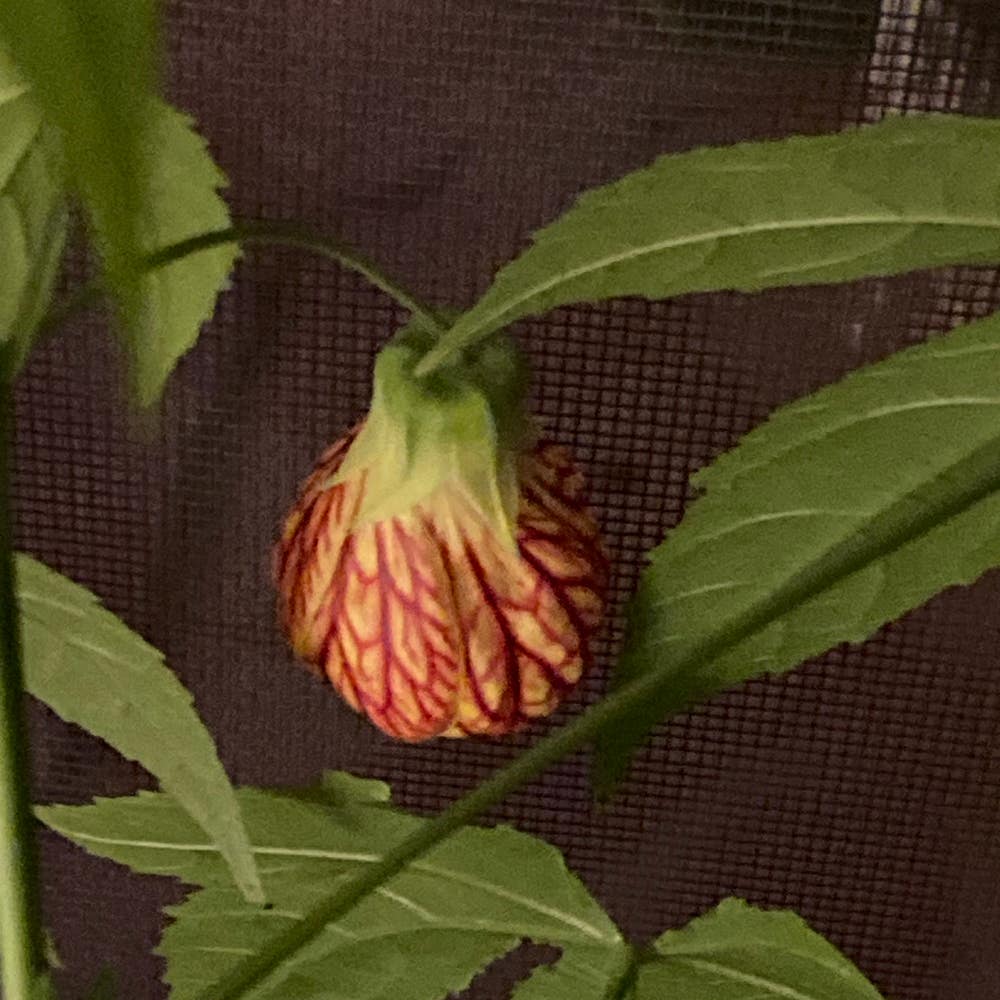
Why Are My Flowering Maple Leaves Curling?
Abutilon 'Lucky Lantern Yellow'
By the Greg Editorial Team
Mar 04, 2024•4 min read
This article was created with the help of AI so we can cover more plants for you. May contain errors. See one? Report it here.
- 🍁 Leaf curl signals distress, often due to water, temperature, or pests.
- 🌡️💧 65-75°F and 40-60% humidity are ideal for Flowering Maple health.
- 🌞 Bright, indirect light and balanced fertilization keep leaves uncurled.
Spotting the Signs: When Your Flowering Maple is Unhappy
🍃 Identifying Leaf Curl
Leaf curl in Flowering Maple is like a distress signal; it's time to play plant detective. Sharp bends or spirals are a cry for help, not a quirky plant feature. If the leaves are more twisted than a roller coaster track, you've got an issue.
🕵️ Underlying Issues
Inconsistent watering can leave your plant's roots gasping for air or drowning. Both extremes cause leaves to curl. Pests and diseases sneak in like unwanted guests, leaving curling as their calling card. Don't ignore leaves that look like they've been through a paper shredder—this is a red flag. Extreme temperatures and wind are like unwanted stressors at a party, causing leaves to curl up in defense. Keep an eye out for progression; if curling spreads or worsens, it's time for intervention.
Thirsty or Drowning? Balancing Water Needs
💧 The Watering Sweet Spot
Finding the right amount of water for your Flowering Maple can feel like a high-stakes guessing game. But don't fret; it's simpler than it seems. Check the soil an inch down—if it's dry, it's time to water. If it's damp, give it a rest. Your plant's thirst varies with the seasons, so water less when it's cooler and more when it's warmer.
🚰 Drainage and Soil Moisture
Proper drainage is your Flowering Maple's best friend. Ensure your pot has drainage holes to prevent the dreaded root rot. The soil should be like a good sponge—holds moisture but doesn't stay soggy. Choose a peat moss-based mix with perlite or vermiculite to keep things airy. Water when the sun's high to let any excess moisture escape, and always aim for moist, not muddy.
Keeping It Comfy: Temperature and Humidity
🌡️ Ideal Temperature Range
Flowering Maples flourish in a Goldilocks zone of temperatures—not too hot, not too cold. During the day, aim to keep your green buddy between 65°F and 75°F (18°C to 24°C). Nighttime can be cooler; a slight dip to 55°F to 65°F (13°C to 18°C) might even encourage those blooms to pop. But remember, anything below 50°F (10°C) is a no-go zone—your plant will throw a leafy fit.
💦 Humidity Love
Think of your Flowering Maple as a humidity hipster—it likes it right around 40% to 60%. Too dry and the leaves will start to look more wrinkled than a linen shirt. Too moist, and you're inviting a fungal fiesta. Misting, a tray of water with pebbles, or a discreet humidifier can help you hit that sweet spot. And don't forget about airflow—keep it moving with a fan or an occasional window crack to prevent your plant from feeling stuffy.
Let There Be Light (But Not Too Much)
💡 Finding the Perfect Spot
Your Flowering Maple is a bit of a Goldilocks when it comes to light—not too much, not too little. It craves that bright, indirect sunlight. Think of a spot near an east or west-facing window; it's like the plant's personal zen zone. Direct south-facing light? Now that's just asking for a sunburn. And north-facing windows might as well be a cave as far as your Maple is concerned.
💡 Artificial Lighting: Yay or Nay?
So, your place is more dungeon than sunroom? Artificial lighting to the rescue. LED or fluorescent lights can work wonders, but keep it around 12-24 inches above the plant—too close and you're baking it, too far and you're wasting your time. And remember, even artificial sun needs a break; don't leave those lights on 24/7. Your plant needs its beauty sleep. Rotate your Maple occasionally to avoid the dreaded lopsided growth—it's not a good look.
Feeding Your Flowering Maple: Nutrients and Fertilizers
💡 Spotting Nutrient Deficiencies
Yellowing leaves or stunted growth in your Flowering Maple might be a cry for help. It's a sign that your green buddy could be running low on essential nutrients. If the lower leaves start dropping like flies, it's time to consider that your plant might be underfed. A soil test isn't just for the pros; it's a straightforward way to diagnose these silent screams for sustenance.
🍽️ Fertilizing Right
When it comes to fertilizing, think of it as a diet plan for your plant. Just like you wouldn't scarf down a triple cheeseburger for breakfast, don't drown your Flowering Maple in nutrients. A balanced, water-soluble fertilizer every 4-6 weeks during the growing season should do the trick. But here's the kicker: dilute it to half the strength recommended on the packaging. Overzealous fertilizing is a no-go; it can lead to the dreaded crispy leaf syndrome. And remember, moderation is key – too much love in the form of fertilizer can lead to nutrient burn. Keep an eye on your plant's response after feeding; it's like tuning an instrument, searching for that perfect pitch.
⚠️ Safety First
This content is for general information and may contain errors, omissions, or outdated details. It is not medical, veterinary advice, or an endorsement of therapeutic claims.
Always consult a qualified healthcare professional before using any plant as food, medicine, or supplement.
Never eat any plant (or feed one to pets) without confirming its identity with at least two trusted sources.
If you suspect poisoning, call Poison Control (800) 222-1222, the Pet Poison Helpline (800) 213-6680, or your local emergency service immediately.
Spotted an error? Please report it here.
Turn your Flowering Maple's frown upside down with Greg's precision 🎯 watering and light reminders, ensuring your plant thrives in its ideal conditions.